
What Makes Cork Fabric So Durable? A Shopper's Guide to Cork Bags

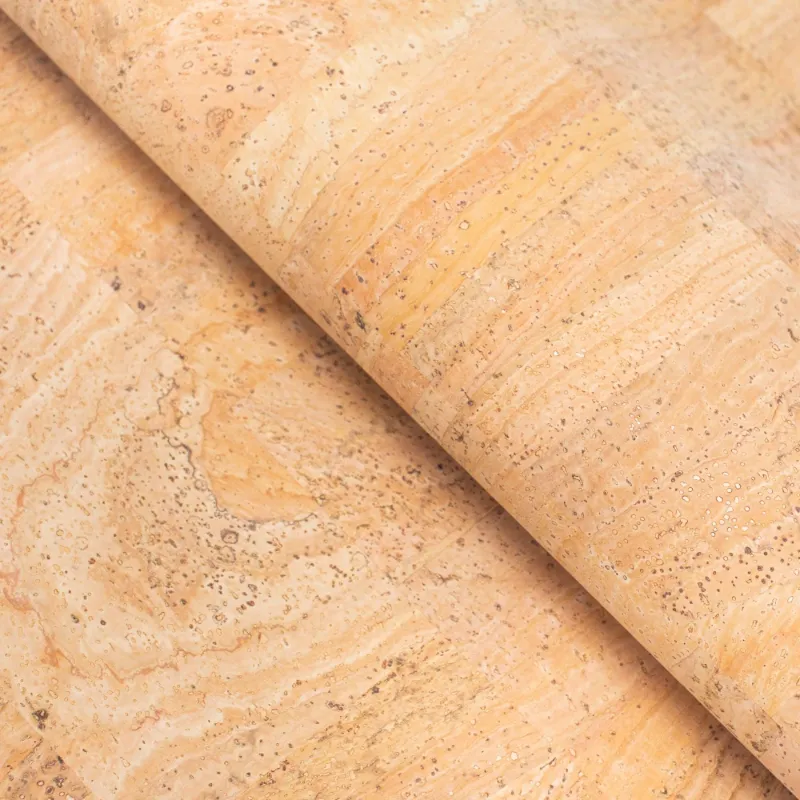
Cork fabric is surprisingly durable because the bark it is made from is naturally water resistant, lightweight, and elastic, and once it is laminated onto a fabric backing it holds up to daily bending, scuffing, and moisture better than most people expect. If you have ever owned a cork bag that went soft or cracked, it was almost certainly cheap cork, not good cork, and that difference is exactly what this guide will help you spot before you buy.
At The Planet Deals we have been testing cork bags, wallets, and accessories for years, and the good ones outlast leather alternatives in wet weather while weighing a fraction as much. Here is what actually makes cork fabric tough, and how to use that knowledge when shopping.
Why Cork Fabric Is So Durable
The durability of cork fabric comes from the structure of cork itself. Cork is harvested from the bark of the cork oak tree, and under a microscope it is a honeycomb of tiny air-filled cells. That structure gives cork three properties no synthetic leather can match:
- Water resistance. The waxy compound suberin seals each cell, so cork naturally repels water instead of absorbing it. Spills bead up and wipe off.
- Elasticity. Those air-filled cells compress and recover, which is why cork fabric resists creasing and cracks far less than bonded leather.
- A natural grip. Cork has a slightly soft, non-slip feel that stays comfortable even when a bag is fully loaded.
When cork is sliced or ground and bonded to a cotton or textile backing, it becomes cork fabric, and that backing adds tensile strength so the material can be sewn into bags that hold their shape. If you want the full production story, this explainer on what cork fabric is and how it is made is a solid background read.
One honest caveat: cork fabric is abrasion resistant but not indestructible. A sharp key loose in a bag can still leave a mark. Good construction, thick seam edges, and reinforced stress points matter as much as the material itself.
How Cork Fabric Compares to Leather and Vegan Leather
| Property | Cork fabric | Genuine leather | PU "vegan leather" |
|---|---|---|---|
| Water resistance | Naturally high | Needs treatment | Fair, peels when wet often |
| Weight | Very light | Heavy | Light |
| Creasing and cracking | Very resistant | Prone with age | Prone within 1-2 years |
| Maintenance | Almost none | Regular conditioning | Wipe only |
| Source | Renewable bark, tree keeps living | Animal hide | Plastic-based |
The comparison table is why we keep recommending cork to people who want the look of leather without the upkeep. A well-made vegan leather handbag in cork will shed rain, resist scuffs, and never need conditioning, while a PU bag of the same design usually starts peeling at the handles first.
What to Check Before You Buy a Cork Bag
Not all cork fabric is created equal. Use this checklist when comparing brands:
- Backing quality. The fabric backing should be tightly woven cotton. Cheap backing is what causes peeling at the seams.
- Edge finishing. Look for painted, sealed, or folded edges. Raw edges on cork fabric fray and look tired fast.
- Seam thickness. Stress points like strap anchors should be reinforced with extra stitching or rivets.
- Cork thickness. Thicker cork veneer (often from premium liege material) resists tearing where the bag folds every day.
- Hardware. Solid brass or coated metal, not plated plastic that chips.
The cork fabric used in bags from reputable Portuguese makers is generally the benchmark. If a seller cannot tell you where the cork comes from, treat that as a red flag.
Which Cork Pieces Are Worth Buying First
If you are new to cork, start with pieces that get daily hard use, because that is where the material's durability pays off most:
- Everyday carry. A cork wallet or a slim pick from our tested vegan wallets for women survives pockets, purses, and constant handling better than almost anything else we test.
- Commuter bags. A leather vegan backpack in cork handles rain and shoulder friction with no maintenance.
- Summer and travel. Cork sandals women styles are comfortable, naturally odor resistant, and the footbed molds slightly to your foot over time.
- Desk and home. A cork mousepad or christmas cork placemats are low-risk ways to try the material, and they wipe clean forever.
If you sew or craft, cork fabric sheets and cork fabric by the yard are widely available now, and cork fabric projects like clutches and totes are a great entry point. Hobbyists often search for where to buy cork fabric for sewing or cork fabric near me; buying from a specialist store with certified Portuguese cork is safer than grabbing unmarked rolls at a general craft shop. Crafters buying in bulk should also compare cork fabric wholesale pricing before committing to a single-yard order.
Caring for Cork Fabric So It Lasts for Years
The good news is that maintenance takes minutes a year:
- Wipe with a damp cloth and mild soap for stains. Let it air dry.
- Never machine wash or tumble dry a cork bag.
- Keep it out of prolonged direct sunlight when stored, as UV can slowly fade the surface.
- If edges or a handle start to look dry, a tiny amount of natural wax or cork sealant restores the finish.
- Store stuffed with paper so the shape holds.
That is the entire routine. No conditioner, no waterproofing spray, no special storage bags.
Who Cork Bags Suit Best
Cork fabric is the right choice if you want a bag that survives weather and daily use without a care routine, if you avoid animal leather, and if you are tired of peeling PU. It is less ideal if you want a stiff, structured briefcase silhouette, since cork fabric drapes and softens with use.
When you are ready to buy, check the latest price and grab the code on our Corkadia discount page before you check out. It lists the current 10% off all orders offer, which stacks on top of sale prices, and we update it whenever the store changes the deal. Between the material's natural toughness and a modest discount, a quality cork piece is one of the easiest recommendations we make.
Frequently asked questions
Is cork fabric actually waterproof?
Yes. Cork's natural waxy coating (suberin) repels water, so rain and spills bead off instead of soaking in. A damp wipe is all the cleanup a soaked cork bag usually needs.
Why did my cork bag peel at the edges?
The most common causes are a cheap or loosely woven fabric backing and unfinished edges that fray. Buying from makers who use certified Portuguese cork and sealed edges avoids both problems.
Is cork fabric good for making bags at home?
Yes. Cork fabric for bags and wallets is one of its most common uses, and the material resists the constant folding and handling that wears out PU alternatives quickly.
What should I check before buying a cork handbag?
Look for tightly woven cotton backing, sealed or folded edges, reinforced strap anchors, and transparency about where the cork is sourced. Premium pieces are often made from liege material, a thicker, higher-grade cork veneer.
Which cork accessory should I buy first?
A cork wallet or cork sandals for women are the easiest starting points. Both get daily hard use, need no maintenance, and show off the material's durability within weeks.
Do I need special tools to sew cork fabric?
Not at all. Cork fabric can be sewn on a standard home machine with a standard needle, though a walking foot and slightly longer stitches help when working with thicker cork fabric sheets.