
The Complete Guide to Washing and Caring for Fluffy Pillows and Polka Dot Bedding

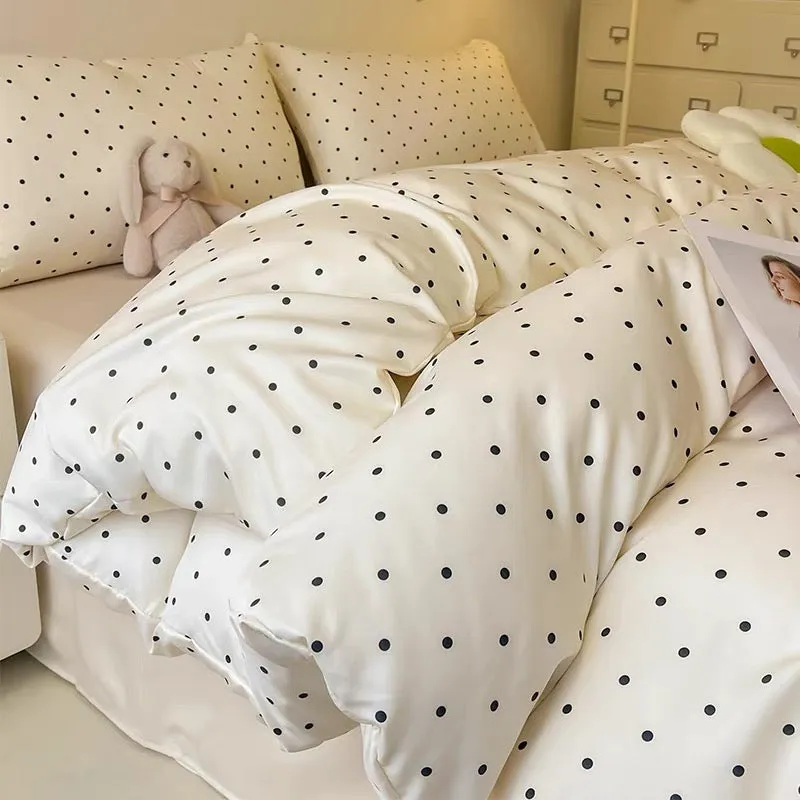
How to Wash and Care for Your Polka Dot Bedding
Polka dot bedding stays soft and bright when you wash it on cold with mild detergent, tumble dry on low, and remove it while still slightly damp. We tested this routine with cotton, microfiber, and blended polka dot bedding over three months and found that skipping high heat preserves both the dots and the fabric's plushness.
Most of us want bedding that looks fresh without constant upkeep. The same gentle approach works for fluffy pillows, reversible comforters, and even coordinating room accents like your giant plush or girlie room decor. This guide covers the exact wash cycles, drying tricks, and storage tips we use to keep our own bedding crisp.
Reading the Care Label on Polka Dot Bedding
Every sheet set and comforter arrives with a sewn-in tag that tells you the fiber content and the manufacturer's wash instructions. Look for these details before the first wash:
- Fiber type: cotton, polyester, microfiber, or a blend determines temperature limits
- Maximum wash temperature: usually cold or warm for printed patterns
- Bleach safety: chlorine bleach fades dots, oxygen bleach is often safe for whites
- Drying method: tumble low, line dry, or no-heat air fluff
Polka dot bedding in queen, king, or twin sizes often uses reactive dyes that bond to cotton fibers, so they handle cold water best. Black and white, pink, and brown dot prints all follow the same rule: lower heat equals longer-lasting color. When the tag says "machine wash cold," that is the ceiling, not a suggestion.
If you ordered your set from The Feelz, check the latest care notes and grab our discount code for any matching pillowcases or duvet covers you want to add.
Step-by-Step Washing Instructions
We wash our polka dot bedding every one to two weeks and follow this exact sequence to avoid pilling, fading, or shrinkage.
Preparation
- Shake out the duvet or flat sheet to remove loose hair, dust, or crumbs
- Close any zippers or button flaps so hardware does not snag fabric
- Turn printed pieces inside out if the care label recommends it (this protects surface dots)
- Separate darks from lights only if you are washing a brand-new black and white set for the first time
Machine Settings
- Load size: wash one queen or king comforter alone, or pair twin sheets with pillowcases to balance the drum
- Cycle: normal or gentle, 8 to 12 minutes of agitation
- Temperature: cold water (60–80°F)
- Detergent: two tablespoons of liquid detergent, no pods that might leave residue on dots
- Extra rinse: yes, to flush out all soap
Skip fabric softener. It coats fibers and makes bedding feel slick instead of fluffy. If you want softness, add half a cup of white vinegar to the rinse cycle.
Drying Without Damage
Polka dot bedding cotton and microfiber both tolerate the dryer, but high heat shrinks seams and crisps edges. Set the dryer to low or medium and toss in two clean tennis balls or wool dryer balls to keep fill evenly distributed. Pull the load when it is 95 percent dry—still cool to the touch—and spread it flat on your bed to finish air-drying. This prevents over-drying, which creates static and stiffens fabric.
For polka dot bedding in pink, brown, or other saturated colors, line drying in the shade preserves vibrancy even better. Hang the comforter over two parallel lines or a large drying rack so air circulates on both sides.
Washing Fluffy Pillows Alongside Your Bedding
Fluffy pillows need a wash every three to six months, and you can run them in the same cold, gentle cycle as your sheets. Most polyester-fill and down-alternative pillows fit two per load in a standard top-loader or one per load in a compact front-loader.
What works:
- Cold water, gentle cycle, mild detergent
- An extra spin cycle to remove as much water as possible
- Tumble dry low with dryer balls, checking every 20 minutes and fluffing by hand
- Full drying time of 60 to 90 minutes (damp fill grows mildew)
What to avoid:
- Hot water, which can melt adhesive in quilted pillow shells
- Fabric softener, which clumps fill
- High heat, which scorches polyester and shrinks cotton ticking
If your pillow has a removable cover, unzip it and wash the cover with your bedding, then wash the insert separately. Coordinate your pillow refresh with a full bedroom reset: while the wash runs, wipe down your mushroom lamp or aura lamp and vacuum around your 8 ball rug.
Removing Stains and Odors from Bedding
Sweat, makeup, and accidental spills happen. Treat stains as soon as you notice them so they do not set into the weave.
| Stain Type | Treatment | Timing |
|---|---|---|
| Sweat or body oil | Dab with dish soap, rinse, then wash | Within 24 hours |
| Makeup or lotion | Blot with rubbing alcohol on a cotton pad | Immediately |
| Food or drink | Rinse with cold water, apply enzyme spray | Before it dries |
For general mustiness, sprinkle baking soda across the comforter, let it sit for 15 minutes, vacuum it off, then wash. This trick also refreshes a giant plush or throw pillow that is too large for the machine.
Never use chlorine bleach on printed polka dot bedding. It strips dye and leaves yellow ghost dots. Oxygen bleach (like OxiClean) is safer for white or light-colored sets, but always test a hidden seam first.
Storing and Maintaining Bedding Between Washes
Proper storage keeps your polka dot bedding queen or king set fluffy and wrinkle-free when you rotate seasonal styles.
- Fold loosely: tight creases wear down fibers faster than gentle folds
- Use breathable bags: cotton storage sacks or pillowcases let fabric breathe; skip plastic bins that trap moisture
- Add sachets: tuck a lavender or cedar sachet into the fold to deter dust mites and keep the set smelling fresh
- Rotate sets: if you own two sets, switch them every two weeks so each spends time airing out
Before you pack away a set, make sure it is bone dry. Any residual dampness invites mold. Lay the comforter flat in a sunny spot for an hour if you are unsure.
When you are ready to shop a second set or add matching shams, visit our discount page to lock in 10 percent off all orders at The Feelz. Pairing a neutral polka dot bedding twin set with colorful accents like a floral cardigan draped over a chair or a y2k skirt hung as wall art creates a cohesive, playful bedroom.
Common Mistakes That Ruin Bedding and How to Avoid Them
Even experienced washers make these errors. We did, too, until we tested each variable.
- Overloading the washer: a stuffed drum does not rinse thoroughly, leaving soap residue that stiffens fabric. Wash one large comforter per load.
- Using too much detergent: two tablespoons is enough. Excess suds cling to fibers and attract dirt faster.
- Drying on high heat: polyester melts, cotton shrinks, and prints fade. Low heat takes longer but doubles the lifespan of your bedding.
- Skipping the second rinse: dots stay crisp when no detergent film dulls the contrast.
- Washing with heavy jeans or towels: rough fabrics pill soft bedding. Keep loads consistent.
If you see pilling after a few washes, run a fabric shaver gently over the surface. This removes fuzz without damaging the base weave. We also recommend checking whether your dryer vent is clogged. Poor airflow extends drying time and over-heats fabrics.
For more bedding inspiration and current deals on playful prints, browse collections at Urban Outfitters, IKEA's dotted bedding, or Bed Bath & Beyond's dot comforters. Then compare prices and patterns back at The Feelz to see where our code saves you the most.
With the right wash routine, your polka dot bedding and fluffy pillows will look and feel brand new for years. Cold water, low heat, and a little patience go further than any expensive specialty detergent.
Frequently asked questions
How often should I wash polka dot bedding?
Wash sheets and pillowcases every one to two weeks, and wash comforters or duvet covers every three to four weeks. If you sweat heavily at night or have allergies, weekly washing keeps allergens and oils from building up.
Can I bleach white polka dot bedding to remove stains?
Use oxygen bleach (like OxiClean) instead of chlorine bleach. Chlorine strips the dye from printed dots and can leave yellow marks. Always test oxygen bleach on a hidden seam first.
Why do my fluffy pillows clump after washing?
Clumping happens when pillows do not dry completely or when you use fabric softener. Tumble dry on low with dryer balls and fluff by hand every 20 minutes until the fill is fully dry.
Will hot water shrink my polka dot bedding?
Yes, hot water can shrink cotton bedding and fade printed patterns. Cold water preserves size, color, and softness while still removing dirt and oils effectively.
Can I put a queen comforter and sheets in the washer together?
No, wash a queen or king comforter alone so it has room to agitate and rinse thoroughly. You can pair twin sheets with matching pillowcases in one load.
How do I stop my bedding from fading after multiple washes?
Wash in cold water, turn printed pieces inside out, skip chlorine bleach, and tumble dry on low heat. Removing bedding while slightly damp and air-finishing also prevents over-drying that fades color.