
Mushroom Lamp vs Aura Lamp: Which Ambient Light Works Best for Small Rooms?

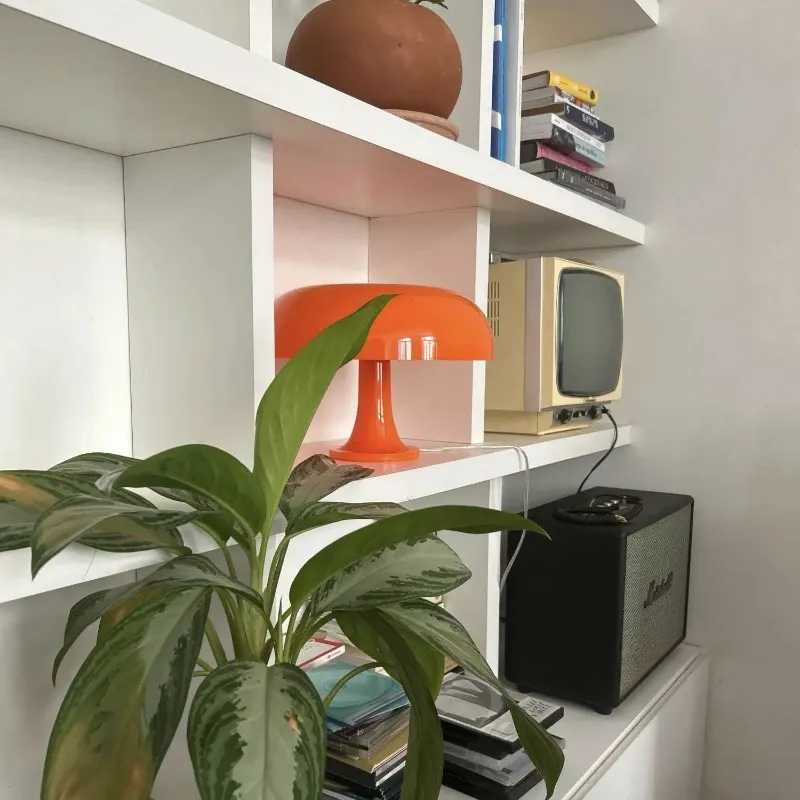
A mushroom lamp delivers focused ambient light with a compact, dome-shaped shade that works beautifully on nightstands and desks, while an aura lamp projects shifting color gradients onto walls and ceilings for a dreamy, immersive glow. If your small room needs functional task lighting with a retro aesthetic, the mushroom style wins; if you want mood-setting color that fills the entire space, an aura lamp is your pick.
We tested both styles in dorm rooms and studio apartments to see which handles tight quarters, low ceilings, and limited outlets best. Below, we break down size, light throw, power draw, and the vibe each lamp brings to girlie room decor setups and minimalist spaces alike.
Footprint and Placement: Which Lamp Saves More Space
Mushroom lamps typically measure 6 to 9 inches in diameter and sit 8 to 12 inches tall, making them ideal for narrow nightstands, corner shelves, or floating desks. The dome shade directs light downward and outward, so you get a warm pool of illumination without glare. We love pairing a mushroom lamp with a stack of books or a small plant—it anchors a cozy reading nook without crowding the surface.
Aura lamps are usually slimmer (3 to 5 inches wide) but taller (10 to 15 inches), and they're designed to sit on the floor or a low table where the projected light can reach the wall unobstructed. If your nightstand is already packed, an aura lamp tucked beside your bed or behind a plush toy frees up surface area while still filling the room with color.
Quick comparison:
| Feature | Mushroom Lamp | Aura Lamp |
|---|---|---|
| Footprint | 6–9" diameter, sits on surfaces | 3–5" wide, floor or low table |
| Light direction | Downward + outward glow | Wall/ceiling projection |
| Best for | Nightstands, desks, shelves | Floor corners, behind furniture |
For the tightest spaces, the aura lamp's vertical form wins on surface area; for multitasking (reading, journaling, late-night scrolling), the mushroom lamp's wider, softer spread is more practical.
Light Quality and Color: Warm Vintage Glow vs RGB Gradients
Most mushroom lamp designs use a frosted glass or acrylic dome with a warm-white or soft-yellow LED bulb (2700–3000 K). The result is a nostalgic, library-lamp vibe that feels calm and consistent—perfect if you're styling a vintage aesthetic or want a lamp that complements neutral tones. Some mushroom lamp vintage editions in brass or orange add a retro pop without color-shifting distractions.
Aura lamps project 16-million-color RGB gradients via app control or a remote. You can cycle through sunset palettes, pastel washes, or single hues to match your mood or outfit. That flexibility makes an aura lamp a standout piece of girlie room decor, especially if you rotate your vibe from soft pink one week to lavender the next. The tradeoff: the projected light is less useful for tasks like reading or applying makeup, since it's designed for ambiance rather than illumination.
If you need one lamp to do both—set the mood *and* light your desk—go mushroom. If your overhead fixture handles the functional side and you want pure aesthetic drama, the aura lamp delivers.
Power, Heat, and Dimming: Practical Day-to-Day Differences
Mushroom lamps typically draw 3 to 7 watts and include a toggle or in-line dimmer switch. They stay cool to the touch even after hours of use, so you can safely tuck one next to a giant plush or a stack of paperbacks without worrying about melted fabric or faded covers. Many best mushroom lamp models are plug-and-play with no app required—just flip the switch and you're set.
Aura lamps pull 5 to 12 watts and often rely on app or remote control for color selection, brightness, and scheduling. The projection LEDs run cooler than traditional bulbs, but the internal circuitry can generate mild warmth at the base after extended use. Battery-powered aura lamps exist, but most plug into a standard outlet, so plan your cord routing if you're placing one behind a bed frame or 8 ball rug.
For simplicity and analog control, the mushroom lamp wins. For programmable scenes and color automation, the aura lamp is unbeatable.
Style Fit: Vintage Charm vs Modern Maximalism
A mushroom lamp pairs beautifully with thrifted finds, vintage tops, rattan accents, and earth-tone palettes. If your room leans cottagecore, '70s revival, or minimalist Scandi, a mushroom lamp in brass, ceramic, or frosted glass feels cohesive. We've also seen them styled with Y2K elements like a y2k skirt draped over a chair or a case phone cute propped nearby—the warm glow softens bold prints without competing.
Aura lamps thrive in maximalist, TikTok-trending spaces where LED strips, neon signs, and color-changing accents rule. They're a natural match for polka dot bedding, holographic wall decals, and the playful energy of a y2k dress or y2k belt display. The gradient projections photograph beautifully for content creators, too—expect your Stories to pop.
Bottom line: If your aesthetic is "cozy and timeless," choose the mushroom. If it's "bold and ever-changing," go aura.
Where to Buy and Current Discounts
Both lamp styles are available at major retailers like Target and Amazon, but we stock curated versions at The Feelz. Right now you can grab the code for 10% off all orders, which stacks nicely if you're bundling a lamp with other decor pieces like a floral cardigan or bedding.
For inspiration and real-world sizing, Living Spaces showcases a range of mushroom table lamps, and The Toy Network features compact sparkle editions if you want a playful twist. When you're ready to check the latest price, head to our store page to compare both lamp types side by side.
Final Verdict: Which Lamp Works Best for Your Small Room
Choose a mushroom lamp if you need reliable task lighting, a compact footprint on your nightstand or desk, and a warm vintage look that never goes out of style. It's plug-and-play, stays cool, and pairs with nearly any decor direction.
Choose an aura lamp if you prioritize color flexibility, wall-filling ambiance, and a sleek vertical profile that frees up surface space. It's the showpiece lamp for content creators and anyone who loves to refresh their room's vibe with a tap.
We keep both in our test room and switch depending on the season—mushroom lamp for fall reading sessions, aura lamp for summer hang-outs. Your small room has space for one (or both), so pick the light that matches how you actually use the space.
Frequently asked questions
Can I use a mushroom lamp as my only bedroom light?
A mushroom lamp works well for ambient and task lighting on a nightstand or desk, but most small rooms benefit from pairing it with an overhead fixture or secondary lamp for full-room brightness when you need it.
Do aura lamps work in rooms with bright walls?
Yes, but the gradient projection shows up best on white or light-colored walls. Darker walls absorb more of the color, so you'll see a subtler effect unless you boost the brightness setting.
Are mushroom lamps safe to leave on overnight?
Modern LED mushroom lamps stay cool and draw minimal power, so they're safe for overnight use. Just make sure the cord is secured and the lamp sits on a stable surface away from bedding or curtains.
Which lamp style photographs better for social media?
Aura lamps create dramatic gradient backgrounds that pop in photos and videos, especially for outfit flatlays or room tours. Mushroom lamps offer a softer, editorial glow that suits product shots and cozy aesthetic content.
Can I control an aura lamp without a smartphone app?
Many aura lamps include a physical remote for color and brightness adjustments, but app control unlocks scheduling and custom gradient options. Check the product specs before buying if you prefer remote-only operation.
Where should I place a mushroom lamp in a small dorm room?
A nightstand, corner shelf, or desk works best. The dome shape directs light downward, so position it where you read, study, or get ready—avoid placing it directly under a top bunk where the glow gets blocked.