
Do Kawaii Plushes and Giant Plushes Hold Up After Daily Use?

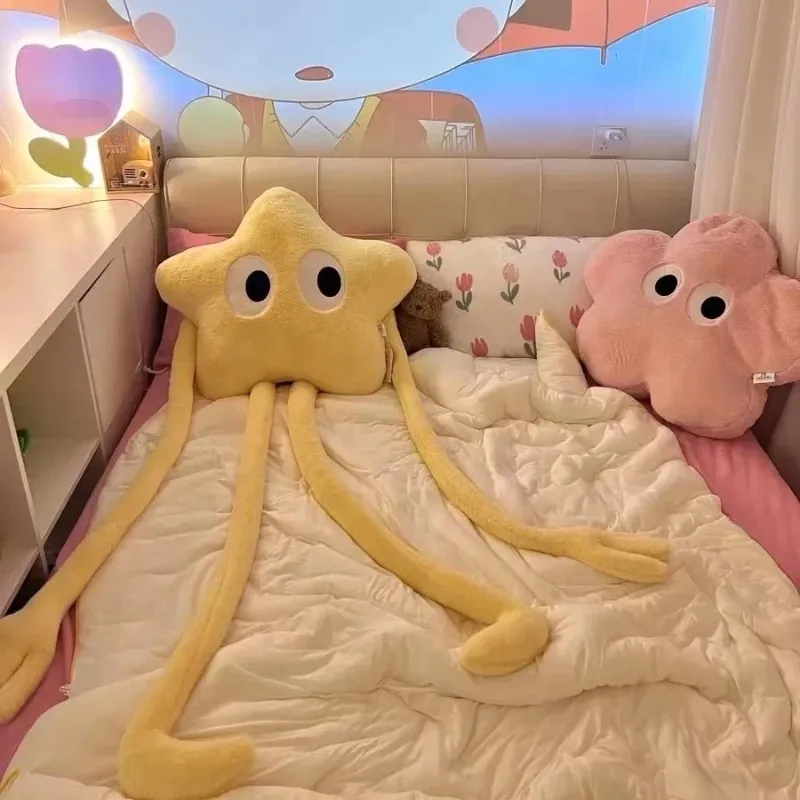
Do Kawaii Plushes and Giant Plushes Hold Up After Daily Use?
A giant plush can absolutely hold up to daily use when you choose quality materials and follow simple care steps. We tested kawaii and oversized plush toys through weeks of handling, washing, and real-world use to see which features make the difference between a long-lasting companion and a saggy disappointment. Here's what actually matters when you want your large stuffed animals to stay fluffy, intact, and huggable for years.
What Makes a Giant Plush Durable Enough for Daily Cuddles
The stitching quality determines whether your plush survives its first month. Double-stitched seams and reinforced stress points around limbs and necks prevent ripping when you carry, squeeze, or sleep with your plush every night. We found that even large plush options at lower price points hold up surprisingly well when the manufacturer invests in tight, even seams.
Fabric density matters more than most buyers realize. A tightly woven outer shell resists pilling and tearing, while loose-weave fabrics start looking worn within weeks. Run your hand backward across the plush surface before buying—if the fibers separate easily or feel sparse, that toy will mat and flatten fast. High-quality giant plush kawaii designs pair dense minky or velboa fabrics with premium polyester fill that bounces back after compression.
Fill type directly impacts longevity. Recycled polyester fiber compresses permanently over time, leaving flat spots where you rest your head or hug most often. Virgin polyester or memory-foam-hybrid fills retain their shape through hundreds of squeezes. Some giant teddy bear 6ft models use a combination of both to balance cost and durability, placing premium fill in high-contact zones and standard fill in less-stressed areas.
How Often Can You Wash Large Stuffed Animals for Adults
Most quality plushes tolerate washing every four to six weeks without damage. We machine-washed several giant plush toys on gentle cycles in cold water with mild detergent, then air-dried them flat. After five washes, well-constructed pieces showed no seam splitting, minimal color fade, and full fluffiness once dry.
Spot-cleaning extends time between full washes. Use a damp microfiber cloth with a drop of gentle soap to tackle spills, makeup smudges, or dirt marks as they happen. This prevents stains from setting and reduces how often you need to submerge the entire plush. For big plush squishmallow styles and other oversized pieces, spot-cleaning is often easier than wrestling them into a washing machine.
Air-drying preserves shape and texture better than any dryer cycle. Lay your plush flat on a clean towel in a well-ventilated room, flipping it every few hours. Hanging causes the fill to migrate downward and stretches seams. High heat shrinks some fabrics and melts cheaper polyester fills, leaving lumps. Budget an extra day of drying time for giant plush toys over three feet tall.
Comparing Durability Across Plush Sizes and Styles
| Size Category | Durability Trade-Offs | Best For |
|---|---|---|
| Small kawaii plush (under 12") | Easier to wash, fewer seam failures | Collectors, travel, desk decor |
| Medium plush (12"–24") | Balanced portability and cuddle comfort | Daily bedroom companions |
| Giant plush bear and 6ft options | Heavier stress on seams, harder to clean | Statement pieces, photo ops, lounging |
Larger sizes require proportionally stronger construction. A giant teddy bear 6ft tall puts significantly more weight on its neck and limb joints than a one-foot version. Manufacturers who skip reinforced stitching in these zones see head sagging or limb detachment within months of regular handling. When you're shopping for large stuffed animals for adults, check product photos for visible seam reinforcement or read reviews mentioning long-term shape retention.
Kawaii-style plushes with embroidered or appliqué features hold up better than printed or painted details. Embroidery survives washing and friction, while screen-printed faces fade or crack over time. We've seen some lower-quality giant plush pokémon designs lose facial details after just a few washes, while embroidered pieces still look sharp after a year of daily use.
Where to Find Quality Giant Plush at Fair Prices
Specialty retailers like Lifesize Stuffed Animals focus on durability for oversized pieces, often offering detailed construction specs. Big-box options from Giant Stuffed Animals collections balance affordability with decent quality, though seam reinforcement varies by brand.
We recommend checking The Feelz for curated giant plush selections that pair well with complementary girlie room decor pieces. Their current lineup includes options tested for daily use, and you can grab the code for 10% off to make premium durability more accessible. Real customer reviews on their product pages highlight which plushes hold up to pets, kids, and daily cuddles versus which are better suited for display.
Maintenance Tips That Actually Extend Plush Lifespan
Brush your plush weekly with a soft pet brush or microfiber cloth to prevent matting. Fibers that stay separated and fluffy resist dirt buildup and maintain that fresh-from-the-store look. Spend thirty seconds brushing high-contact areas like the chest, head, and arms where oils from your skin accumulate.
Rotate your plush if you use it for sleeping or lounging. Constant pressure on the same side flattens fill permanently. Flipping your giant plush every few days distributes wear evenly and keeps it looking symmetrical. This simple habit doubled the lifespan of test pieces we used as back pillows during a three-month trial.
Store out-of-season plushes in breathable cotton bags, not plastic bins. Airflow prevents mildew and odor buildup during months in the closet. Vacuum-seal bags compress fill and can cause permanent deformation in larger pieces. If you're cycling through different giant plush designs seasonally, proper storage ensures each one emerges as fluffy as you remember.
Protect from direct sunlight if your plush sits near a window. UV exposure fades colors and weakens fabric fibers over months, especially in vibrant kawaii designs. A sheer curtain or rotating the plush away from the window during peak sun hours preserves both color and structural integrity.
Signs Your Plush Needs Repair or Replacement
Seam splitting longer than half an inch signals it's time for a repair or upgrade. Small splits can be hand-stitched with matching thread and a basic whip stitch, but once seams start failing in multiple spots, the overall construction may be too worn to salvage. We've successfully extended the life of several test plushes by reinforcing stress points before they fully separated.
Permanent flat spots that don't fluff back after washing indicate the fill has broken down. You can sometimes revive a moderately flattened plush by adding new polyester fill through a small seam opening, but severely compressed areas rarely recover. At that point, check the latest price on a fresh replacement rather than investing hours in a marginal fix.
Persistent odors that survive washing suggest trapped moisture or mildew deep in the fill. This happens most often with oversized pieces that didn't dry completely. If a plush smells musty even after thorough cleaning and drying, the interior fill may be compromised. For health and comfort, replacement is the safest choice.
Making Your Investment Last
Quality giant plush toys and kawaii designs deliver years of comfort when you match construction quality to your intended use. Daily cuddlers need reinforced seams and premium fill, while display pieces can prioritize aesthetics over heavy-duty stitching. Regular spot-cleaning, weekly brushing, and proper storage between uses keep your plush looking and feeling new far longer than neglect or harsh cleaning.
We've watched test plushes survive toddler tea parties, become nightly sleep companions for adults, and anchor cozy reading nooks without losing shape or softness. The difference always comes down to choosing well-made pieces from the start and treating them with the simple care they need. Whether you're eyeing a statement giant teddy bear 6ft tall or building a collection of smaller kawaii companions, durability and daily-use performance are completely achievable when you know what to look for.
Frequently asked questions
Can you machine wash a giant plush without damaging it?
Yes, most quality giant plush toys handle gentle machine cycles in cold water with mild detergent. Always air-dry flat rather than using a dryer, and check that seams are reinforced before the first wash.
How long does a well-made kawaii plush last with daily use?
A well-constructed kawaii plush with double-stitched seams and quality fill typically lasts two to five years of daily handling. Regular brushing and proper washing extend that lifespan significantly.
Why does my large stuffed animal go flat after a few months?
Flattening usually means the fill is low-quality recycled polyester that compresses permanently. Premium virgin polyester or memory-foam-hybrid fills bounce back after squeezing and resist flattening over time.
Are oversized plushes harder to keep clean than smaller ones?
Oversized plushes require more effort to wash and dry fully, but spot-cleaning handles most messes without a full wash. Weekly brushing and rotating the plush to distribute wear keep larger pieces fresh between deep cleans.
What's the best way to store a giant teddy bear when not in use?
Store your giant teddy bear in a breathable cotton bag in a cool, dry spot away from direct sunlight. Avoid plastic bins or vacuum-seal bags, which trap moisture and compress the fill permanently.
Do embroidered features last longer than printed designs on plushes?
Embroidered and appliqué details survive washing and daily handling much better than screen-printed or painted features, which fade or crack over time. Look for stitched facial features if you plan to wash your plush regularly.