
Japanese Floor Lamp or Paper Lamp: Choosing the Right Light for Your Space

What Makes a Japanese Floor Lamp Different
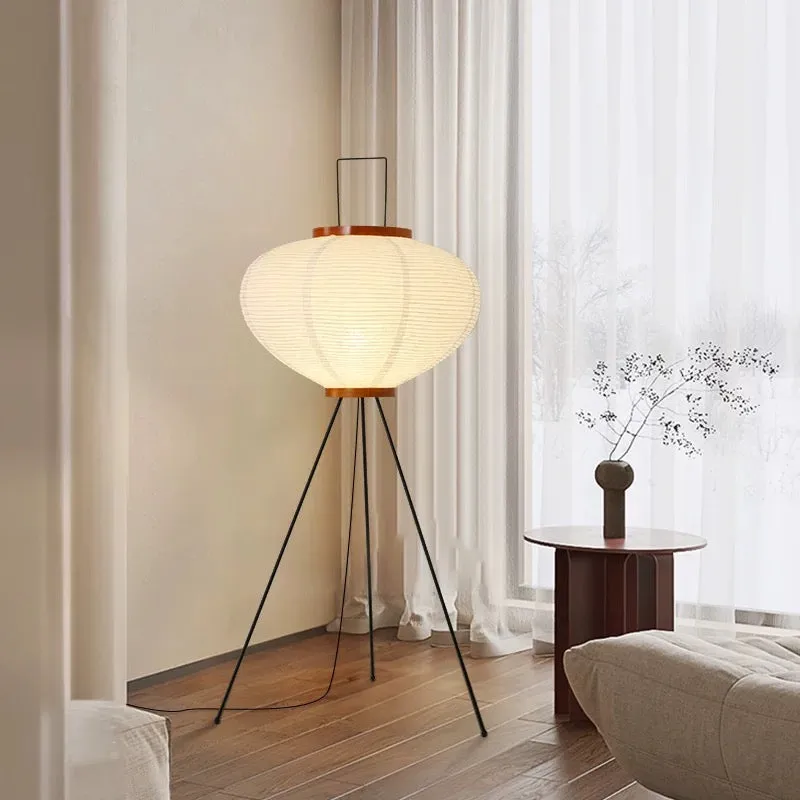
A japanese floor lamp delivers soft, ambient lighting through rice paper or fabric shades that diffuse light evenly across your space. Unlike harsh overhead fixtures, these lamps create a calming glow that complements minimalist and cozy interiors alike. Whether you're drawn to traditional shoji-style paper construction or modern interpretations with clean lines, the right lamp transforms your room's atmosphere while anchoring your decor.
We tested dozens of floor lamps to understand what separates authentic Japanese-inspired designs from generic imitations. The key lies in how light interacts with the shade material, the stability of the base, and whether the proportions feel balanced in your actual room size.
Traditional Paper vs Modern Japanese Floor Lamp Styles
Traditional shoji floor lamp designs use rice paper or washi stretched over a wooden frame, often with visible lattice patterns. These lamps pair beautifully with natural textures like our polka dot bedding for layered, organic spaces. The paper diffuses light completely, eliminating glare and creating shadow-free ambient lighting ideal for reading nooks or meditation corners.
Modern japanese floor lamp options trade paper for linen, cotton, or frosted acrylic. They maintain the minimalist silhouette but add durability and easier cleaning. A japandi floor lamp blends Scandinavian functionality with Japanese restraint, using neutral tones and geometric shapes. These work especially well in contemporary spaces alongside pieces like a mushroom lamp on your desk or an aura lamp for layered ambient lighting.
| Style | Best For | Maintenance | Price Range |
|---|---|---|---|
| Shoji paper | Traditional, meditation spaces | Delicate, replace paper every 2–3 years | Budget to mid |
| Modern linen/cotton | Living rooms, bedrooms | Machine-washable shades | Mid to high |
| Japandi minimal | Open-plan, Scandinavian decor | Wipe-clean surfaces | Mid to premium |
Check current pricing and grab our code to save 10% on lighting that elevates your entire space.
Choosing the Right Size and Placement
Ceiling height matters. Standard 8-foot ceilings pair best with lamps 48 to 60 inches tall, while rooms with 9-foot or higher ceilings can handle 65 to 72-inch statement pieces. Measure from floor to shade top, not just the pole, since oversized shades compress a room visually.
Corner placement maximizes impact. Position your japanese floor lamp paper fixture in a corner 12 to 18 inches from each wall to cast light across two planes and create depth. For reading, place the lamp so the shade's bottom edge sits at shoulder height when you're seated.
Layer with other light sources. Pair your floor lamp with task lighting like a mushroom lamp on side tables or an aura lamp for color-changing ambiance. This layered approach lets you dial in the exact mood, from bright and energizing to warm and intimate. Browse curated options at Japanese Floor Lamps on 1stDibs for vintage and artisan pieces.
Material Quality and Durability
Paper longevity depends on humidity. Authentic rice paper yellows gracefully but tears easily. If you have pets, kids, or high humidity, choose reinforced paper blends or synthetic alternatives that mimic the texture. We've seen budget paper lamps last under a year in busy households, while quality linen shades endure five-plus years with minimal fading.
Base stability prevents tipping. Look for weighted wood or metal bases at least 10 inches in diameter. Lightweight plastic bases topple when bumped, especially with tall lamp designs. A solid walnut or steel base also anchors the lamp visually, grounding the airy shade.
Shade frame construction matters. Bamboo or hardwood frames resist warping better than thin rattan. Check that corners are reinforced with metal brackets or wrapped joints. A wobbly frame casts uneven light and won't survive shade replacements.
For modern interpretations, explore Japanese Minimalism floor lamps at Lumens to see how contemporary designers balance form and function.
Bulb Type and Light Temperature
LED bulbs save energy and reduce heat. Paper and fabric shades scorch with prolonged incandescent use. Choose LED bulbs rated for enclosed fixtures, 800 to 1100 lumens for ambient lighting, and 2700K to 3000K for warm white that mimics traditional Japanese interiors.
Dimmable setups add versatility. Pair a dimmable LED with a floor switch or smart plug to adjust brightness for movie nights, morning routines, or late-night reading. This single change lets one lamp serve multiple moods without buying separate fixtures.
Avoid exposed bulbs. The shade should fully enclose the bulb to prevent glare and maintain the soft, diffused glow that defines Japanese lighting. If you can see the bulb outline through the shade, size up or choose a denser material.
Styling Your Japanese Floor Lamp
Embrace negative space. Japanese design philosophy celebrates emptiness as much as objects. Let your lamp breathe by keeping the surrounding floor clear and pairing it with low-profile furniture. A statement floor lamp next to a giant plush in a reading corner feels intentional, not cluttered.
Mix textures for depth. Combine the lamp's smooth paper or linen with rougher elements like our 8 ball rug or woven baskets. This contrast highlights each material's qualities and prevents the space from feeling flat or one-note.
Coordinate with wall decor. Soft lamp lighting flatters girlie room decor like prints and tapestries by reducing harsh shadows. Position the lamp to graze the wall and create gentle uplighting that makes art and textiles pop.
Visit our discount code page to unlock 10% off and complete your lighting refresh with pieces that work together seamlessly.
Care and Maintenance Tips
- Dust weekly with a microfiber cloth or soft brush attachment. Paper shades trap dust in their texture, dimming light output over time.
- Spot-clean stains immediately on fabric shades using a damp cloth and mild detergent. Blot, don't rub, to avoid spreading the stain.
- Replace paper shades every 2–3 years or when yellowing becomes pronounced. Many manufacturers sell replacement shades separately, extending the lamp's lifespan.
- Check wiring annually for fraying near the switch or plug. Fabric-covered cords age faster in high-traffic areas.
- Store in low humidity if you live in damp climates. Excess moisture warps wooden frames and encourages mold on natural paper.
A well-maintained shoji floor lamp or modern japanese floor lamp becomes a long-term anchor in your home, adapting to style shifts and room rearrangements while delivering consistent, calming light.
Frequently asked questions
Can I use a japanese floor lamp in a small apartment?
Yes, choose a lamp 48 to 55 inches tall with a narrow shade profile. Taller lamps overwhelm tight spaces, but compact designs still deliver the warm, diffused light and minimalist look without dominating the room.
How do I clean a paper shade without tearing it?
Use a dry microfiber cloth or a soft paintbrush to gently dust the surface weekly. Avoid water or cleaning sprays, as moisture weakens rice paper and causes permanent staining or warping.
What's the difference between a shoji floor lamp and a japandi floor lamp?
Shoji lamps use traditional rice paper and wooden lattice frames for an authentic Japanese look, while japandi lamps blend Japanese minimalism with Scandinavian materials like linen or metal for a more modern, durable design.
Do japanese floor lamp paper shades work with LED bulbs?
Absolutely. LEDs are ideal because they produce minimal heat, preventing paper from scorching or yellowing prematurely. Choose warm white LEDs (2700K to 3000K) for the best ambiance.
Where should I place a floor lamp for the best lighting effect?
Position it in a corner 12 to 18 inches from walls to bounce light across two surfaces and create depth. For reading, place the lamp so the shade's bottom edge aligns with your shoulder height when seated.
Can I pair a modern japanese floor lamp with colorful decor?
Yes, neutral lamp tones ground bold accents like colorful rugs or artwork. The lamp's soft, even light also reduces harsh shadows that can make bright colors feel overwhelming in small spaces.