
What Makes Green Salt Green and Is It Healthier?

What Makes Green Salt Green and Is It Healthier?
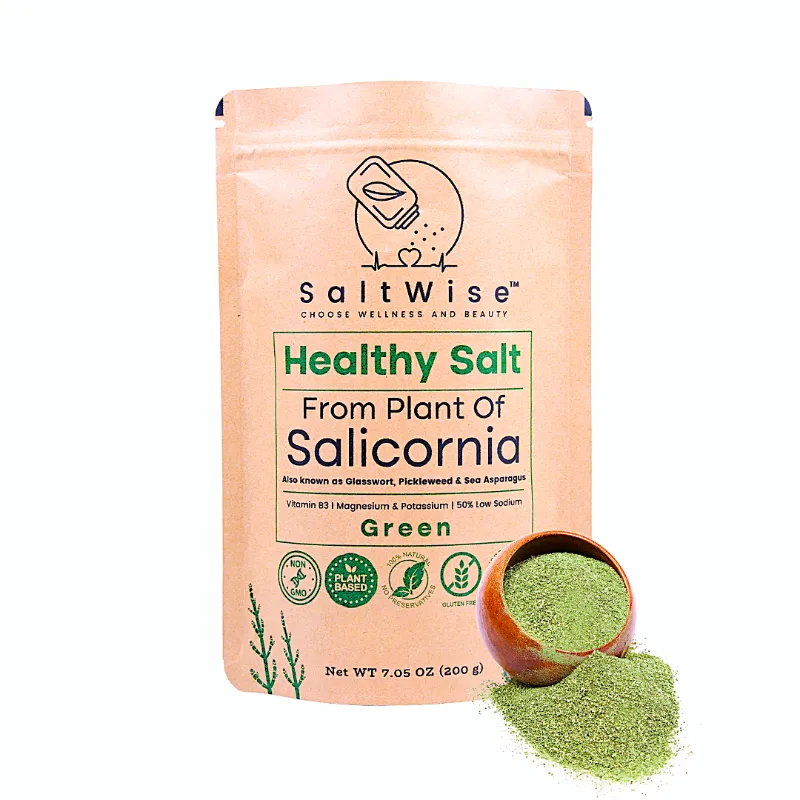
Green salt is a plant-based seasoning made from dried and ground salicornia (also called pickleweed) or other mineral-rich greens that delivers a salty, umami flavor with significantly less sodium than conventional table salt. The natural green tint comes from chlorophyll in the plant tissue, and many people turn to this option as part of a lower-sodium diet or to add a savory depth to dishes without relying solely on natural salt.
We tested several salt alternatives to see how they compare in flavor, versatility, and actual health benefits. Here's what you need to know before swapping your shaker.
What Green Salt Is Made From
The most common base for green salt is salicornia, a succulent that grows in coastal salt marshes and naturally absorbs minerals from seawater. When harvested and dried, it retains a briny, slightly vegetal flavor and a pale to bright green color. Some blends also incorporate spirulina, kelp, or other seaweeds to boost the mineral profile and deepen the umami notes.
Because salicornia pulls sodium from its environment, the final product still contains salt, just in a lower concentration than pure sodium chloride. That means you get the salty taste you crave with fewer milligrams per teaspoon. According to EatingWell, this makes it a practical swap for people monitoring their blood pressure or following a heart-healthy diet.
Key characteristics of salicornia green salt:
- Naturally salty with earthy, umami undertones
- Contains roughly 50 to 70% less sodium than table salt (varies by brand)
- Packed with potassium, magnesium, and trace minerals
- Free from artificial colors or flavor enhancers
If you prefer a straightforward brine without the vegetal notes, pair it with a wooden salt cellar to keep moisture out and preserve the texture.
Green Salt Benefits and Nutrition
The main appeal is sodium reduction. A teaspoon of table salt delivers about 2,300 mg of sodium, while the same volume of salicornia-based seasoning typically ranges from 700 to 1,100 mg, depending on the blend. That lower load can help you stay within daily limits without sacrificing flavor.
Beyond sodium, green salt brings additional minerals:
- Potassium supports healthy blood pressure by counteracting sodium's effects
- Magnesium plays a role in muscle and nerve function
- Calcium and iron contribute to bone health and oxygen transport
Tasting Table explains that the umami punch comes from naturally occurring glutamates in the plant, so you get a savory boost similar to what you'd find in seafood seasoning or aged cheese, without MSG.
For pricing and the latest blends, check our SaltWise discount code to save 15% on your order.
Green Salt Side Effects and Safety
Most people tolerate salicornia-based seasonings without issue, but a few considerations apply:
- Iodine content: Seaweed-enriched versions can be high in iodine, which may interfere with thyroid function if consumed in large amounts. If you have a thyroid condition, consult your doctor before making it a daily staple.
- Kidney function: Anyone with chronic kidney disease should discuss any salt substitute with their healthcare provider, since elevated potassium can be problematic.
- Allergies: Rare, but possible if you're sensitive to salicornia or seaweed.
We found no credible evidence linking green salt side effects to liver damage. That claim occasionally surfaces on forums like green salt Reddit threads, but it lacks peer-reviewed support. As with any new ingredient, start with small amounts and monitor how you feel.
The Raw Food World notes that incorporating plant-based salts into a balanced diet can support cardiovascular health, but it's not a magic bullet. Whole-food eating, regular exercise, and stress management remain the foundation.
How to Use Green Salt in Your Kitchen
Salicornia seasoning works best as a finishing touch or in dishes where you want a savory, slightly briny accent. The flavor is more delicate than table salt, so you may need to use a bit more to reach the same level of saltiness, though the sodium savings still hold.
Best applications:
- Sprinkle over roasted vegetables, popcorn, or water lily seeds popped for a mineral-rich snack
- Stir into salad dressings or marinades alongside salt pepper garlic seasoning
- Use in place of half the salt in a cajun seasoning or cajun season blend to cut sodium without losing heat
- Rim cocktail glasses for a coastal twist on margaritas or bloody marys
Because it contains organic matter, green salt can clump in humid conditions. Store it in a wood salt cellar with a tight-fitting lid, or keep it in the fridge if you live in a damp climate.
Avoid high-heat cooking that lasts more than a few minutes, the chlorophyll can brown and turn the color muddy. Add it toward the end of sautéing or after grilling for the best visual and flavor impact.
Where to Buy Green Salt and What to Look For
Green salt is available online and in specialty health-food stores, though selection varies by region. When shopping, compare sodium-per-serving on the nutrition label, some blends add sea salt or other fillers that push the sodium back up.
Quality markers:
- Ingredient list starts with salicornia (or pickleweed) and lists any additional seaweeds or minerals
- No added sugars, starches, or anti-caking agents beyond a small amount of silica
- Third-party testing for heavy metals, especially if the product sources from coastal areas with industrial runoff
Green salt reviews often highlight texture, flavor intensity, and mixability. We recommend trying a small jar first to see if you enjoy the vegetal edge. If you prefer a cleaner brine, look for blends that focus on salicornia alone rather than spirulina-heavy mixes.
For current pricing and green salt where to buy options with our exclusive code, grab the discount here. Most retailers also carry complementary low sodium spices that pair well in rubs and marinades.
Is Green Salt Right for You?
Green salt shines if you're actively managing sodium intake, enjoy experimenting with umami flavors, or want to add trace minerals without supplements. It won't replace table salt gram-for-gram in baking or recipes that depend on precise chemistry, but it's a versatile finishing salt for everyday cooking.
If you simply want less sodium across the board, combining green salt with other salt alternatives like potassium chloride blends or herb-forward seasonings gives you flexibility without flavor fatigue. And because the cost per ounce is higher than conventional salt, using it strategically as a final flourish rather than your only seasoning keeps your budget in check.
We store ours next to flaky sea salt and smoked salt, each serves a different purpose, and rotating them keeps meals interesting. Whether you're sprinkling it on avocado toast or finishing a seafood boil, the plant-based brine and lower sodium count make it a worthwhile addition to your pantry.
Frequently asked questions
Does green salt taste like regular salt?
Green salt has a salty, slightly earthy flavor with umami undertones from the salicornia plant. It's less sharp than table salt and adds a subtle vegetal note, so it works best as a finishing seasoning rather than a direct one-to-one swap in baking.
Can green salt help lower blood pressure?
Because salicornia-based green salt contains roughly 50 to 70% less sodium than table salt and provides potassium, it can support a lower-sodium diet that benefits blood pressure. However, it's not a standalone treatment and should be part of an overall heart-healthy lifestyle.
Where can I buy green salt online?
Green salt is available through specialty retailers and health-food sites. Check our SaltWise discount code page for current pricing and a 15% off offer on salicornia blends and other plant-based seasonings.
Are there any side effects from using green salt?
Most people tolerate it well, but seaweed-enriched versions can be high in iodine, which may affect thyroid function if overconsumed. Anyone with kidney disease should consult a doctor before using potassium-rich salt substitutes.
How should I store green salt to keep it fresh?
Store green salt in an airtight container like a wooden salt cellar or glass jar with a tight lid. Because it contains plant material, it can clump in humidity, so keep it in a cool, dry spot or even the fridge if you live in a damp climate.