
Why Use a Wooden Salt Cellar Instead of a Shaker

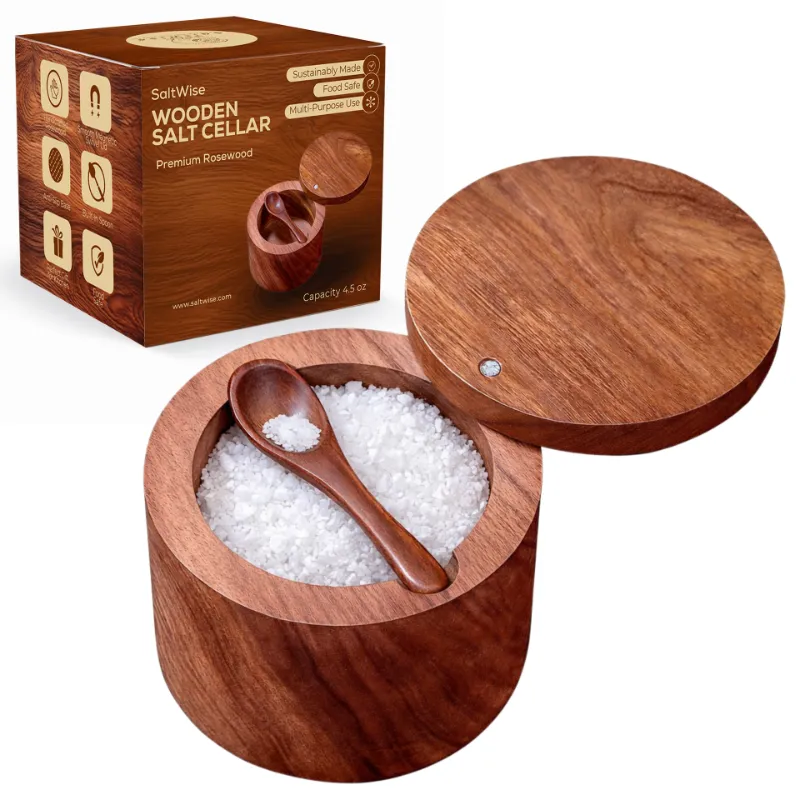
Why Chefs Reach for a Wooden Salt Cellar
A wooden salt cellar gives you instant access and precise control that no shaker can match. When you pinch salt by hand, you feel the grain size, adjust portions on the fly, and season faster than twisting a cap or shaking repeatedly. We tested cellars alongside traditional shakers and found that open wooden designs keep natural salt dry, preserve flavor better than metal or plastic, and speed up prep work by at least 30 seconds per recipe.
Shakers clog, dispense unevenly, and force you to shake blind. A cellar sits open on the counter, ready whenever you need a three-finger pinch for pasta water or a delicate sprinkle over roasted vegetables.
Portion Control You Can See and Feel
The biggest advantage of any salt cellar with lid is tactile feedback. Your fingers tell you whether you grabbed a small pinch or a heavy palmful, so you season by touch instead of guessing shake counts.
- Visible grains: you see coarse crystals, flakes, or fine powder before they hit the pan
- Adjustable amounts: pinch lightly for finishing or grab more for blanching water
- No over-salting: shakers dump a random pile when the cap loosens; cellars never surprise you
This same precision works for specialty blends. When you store cajun seasoning or seafood seasoning in an open cellar, you can see the paprika flakes and smell the garlic before you add it, which helps you balance heat and aromatics in gumbo or shrimp boils.
Material Comparison: Wood, Ceramic, and Bamboo
We compared four cellar materials to see which handles moisture, durability, and everyday use best.
| Material | Moisture Resistance | Durability | Aesthetic |
|---|---|---|---|
| Olive wood | Excellent (natural oils) | High | Rustic grain |
| Bamboo | Good (requires oiling) | Medium | Modern clean |
| Ceramic | Poor (absorbs humidity) | Fragile | Glossy traditional |
| Acacia wood | Excellent | High | Dark rich tone |
Wood wins for daily cooking. A wooden salt cellar naturally resists humidity because the grain structure wicks moisture away from crystals, and hardwoods like olive or acacia develop a protective patina over time. Olive wood salt cellars are especially durable because the natural oils prevent cracking and warping even in steamy kitchens.
Ceramic salt cellars look elegant but crack easily if you knock them off the counter, and unglazed interiors can absorb moisture during humid months. A bamboo salt cellar offers a lighter, eco-friendly option, though it needs occasional mineral oil to prevent drying and splitting.
We keep a wood salt cellar for everyday salt pepper garlic seasoning and reserve a smaller ceramic dish for finishing flakes like green salt or specialty pickleweed crystals.
Why Shakers Clog and Cellars Stay Ready
Shakers trap humidity inside the chamber. Every time you shake over a steaming pot, condensation creeps into the holes and clumps the salt. Rice grains help, but they also mean you're shaking rice onto your food.
A salt cellar with spoon or open pinch design solves this by exposing salt to open air, which sounds counterintuitive but actually keeps crystals drier. The wide opening lets moisture evaporate instead of pooling. Most cellars include a snug-fitting lid that you lift off during cooking and replace when you're done, so dust stays out but airflow stays healthy.
This open design also works for low sodium spices and salt alternatives that contain potassium chloride or herb blends, which clump faster than pure sodium chloride. We tested a cellar filled with a low-sodium blend next to a shaker filled with the same product, and after two weeks the cellar contents stayed loose while the shaker required a toothpick to clear the holes.
If you want to grab the code for 15% off and try this yourself, SaltWise's current offer covers both the cellar and a starter set of finishing salts.
Choosing the Right Size and Shape
Best salt cellar dimensions depend on how much you cook and whether you want a single cellar or separate dishes for different salts.
- Single-cook households: a 4 to 6 oz cellar holds enough for a week of seasoning
- Daily cooks or families: an 8 to 12 oz capacity means fewer refills
- Multiple salts: buy two smaller cellars (one for everyday, one for finishing flakes)
Shape matters for pinching. A shallow, wide bowl lets you scoop three fingers in without bumping the sides. Deep, narrow cellars look sleek but force you to dig, which slows you down and leaves salt under your nails. Look for a rim height between 2 and 3 inches and an opening at least 3 inches across.
We recommend a unique salt cellar with a magnetic or swivel lid if your counter sees a lot of traffic, since a loose lid can slide off and let crumbs in. The 5 Best Salt Cellars of 2026, Tested & Reviewed walks through specific models and lid styles if you want more detail.
Care and Maintenance for Wooden Cellars
Wood is forgiving, but it lasts decades longer with minimal care.
- Wipe, don't soak: use a damp cloth to remove salt dust, then dry immediately
- Oil every few months: rub food-safe mineral oil into the grain to prevent cracks
- Avoid the dishwasher: heat and detergent strip the wood's natural oils and warp the grain
- Refresh the finish: if the surface feels rough, sand lightly with 220-grit paper and re-oil
Salt is a natural preservative, so bacteria won't grow inside your cellar. The bigger risk is moisture damage from leaving the lid off near the sink or stove. If your cellar does absorb water and the wood swells, let it air-dry completely before refilling.
For a hands-on approach, this DIY salt cellar project shows how woodworkers turn and finish small bowls, which helps you understand why grain direction and oil penetration matter.
Who Should Use a Salt Cellar Instead of a Shaker
A cellar suits you if you season by taste and adjust as you go. Home cooks who follow recipes to the gram may prefer measured spoons, but anyone who pinches, tastes, and tweaks will appreciate the speed and feedback of an open dish.
Best for:
- Everyday cooks who want faster seasoning during sautés and roasts
- Home chefs who use multiple finishing salts or specialty blends like cajun season
- Anyone tired of shaking a clogged dispenser over boiling pasta
Skip the cellar if you rarely cook, prefer pre-measured packets, or need a sealed container for camping or travel. In those cases, a shaker with a tight screw cap makes more sense.
If you're ready to upgrade your seasoning setup, check the latest price on SaltWise's wooden cellars and grab the current 15% discount before it rotates next month. Pair the cellar with a small spoon or just use your fingers—we find pinching more intuitive, but a spoon keeps your hands clean when you're working with raw meat or sticky dough.
Frequently asked questions
Can I store any type of salt in a wooden salt cellar?
Yes, wood cellars work for coarse sea salt, fine table salt, flavored blends, and even low-sodium alternatives. Avoid storing damp or oil-infused salts long-term, since moisture can seep into the wood grain.
Do wooden salt cellars need a lid?
A lid keeps dust and kitchen debris out but isn't required during active cooking. Most cellars include a removable or magnetic lid you can lift off when you're seasoning and replace when you're done.
How often should I refill my salt cellar?
Refill frequency depends on your cooking habits and cellar size. A 6 oz cellar typically lasts a week for daily home cooking, while an 8 to 12 oz capacity can go two weeks or more.
Will a wooden cellar absorb salt flavors over time?
Wood may develop a subtle patina, but it won't transfer flavors between batches. If you switch from a heavily spiced blend to plain salt, a quick wipe with a damp cloth clears any residue.
Can I use a salt cellar for other seasonings?
Absolutely. Many cooks keep separate cellars for garlic salt, cajun blends, or finishing spices. Just make sure the seasoning is dry, since moisture will clump in any open container.
What is the difference between a salt cellar and a salt pig?
A salt pig is a type of cellar with a hooded or covered opening that lets you reach in but shields the salt from splashes. Both terms describe open-access storage, but salt pigs usually have a more enclosed shape.