
Do Salt Alternatives Actually Taste Like Real Salt?

Do Salt Alternatives Actually Taste Like Real Salt?
Most salt alternatives deliver a salty sensation, but the taste varies significantly depending on the type you choose. Potassium-based substitutes mimic table salt closely but can carry a metallic aftertaste, while herb and mineral blends offer savory complexity without trying to replicate sodium chloride exactly. We tested the most popular options to help you find substitutes that actually work for your palate and health goals.
How Different Types of Salt Substitutes Compare for Taste
The flavor you get from a substitute depends entirely on what replaces the sodium. Here's how the main categories stack up:
| Substitute Type | Taste Profile | Best Uses |
|---|---|---|
| Potassium chloride | Close to salt, slight metallic note | Table seasoning, baking |
| Herb and spice blends | Savory, complex, no salt mimicry | Finishing dishes, marinades |
| Natural mineral salts | Briny, umami-forward | Seafood, vegetables |
Potassium chloride substitutes like Morton Salt Substitute are the closest chemical match to sodium chloride. They trigger the same taste receptors, so you get that immediate salty hit. The downside is a faint bitterness or metallic finish that some tasters notice, especially when used heavily. We found this works best when blended into recipes rather than sprinkled on finished food.
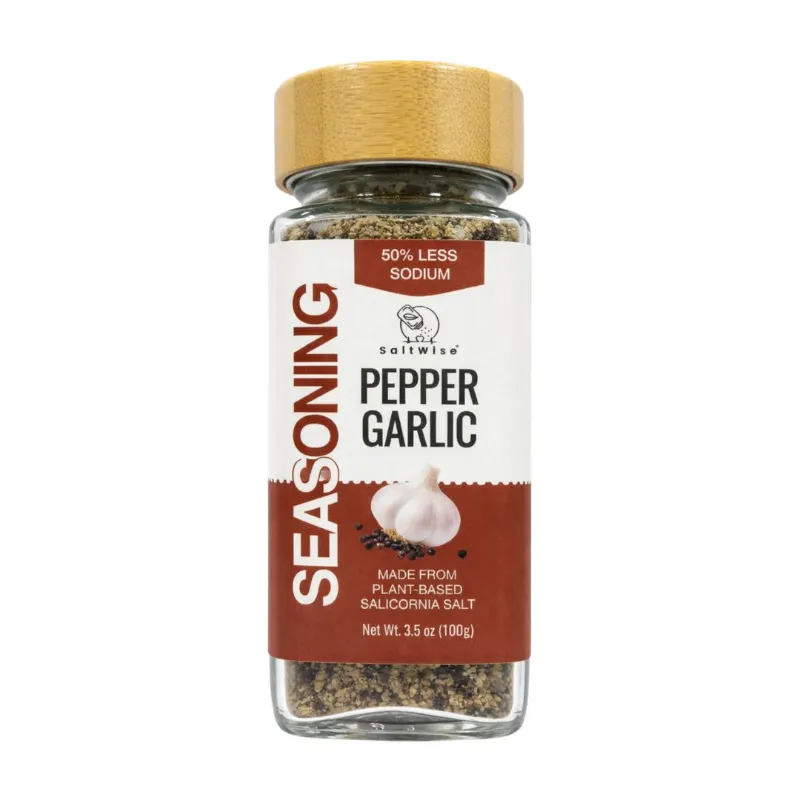
Herb and spice blends take a different approach. Options like low sodium spices or salt pepper garlic seasoning don't pretend to be salt. Instead, they build savory depth with garlic, onion, celery seed, and pepper. You lose the pure salty punch, but gain layers of flavor that make the absence of sodium less noticeable. These shine on roasted vegetables, grilled proteins, and anywhere you want complexity over straight saltiness.
Natural mineral alternatives include options like pickleweed and green salt, which concentrate naturally occurring minerals and salts from plants. Pickleweed delivers a briny, ocean-like taste with about 40% less sodium than table salt. Green salt blends herbs with reduced-sodium sea salt for a middle-ground option. Both taste distinctly different from table salt but satisfy the craving for savory, mineral-rich flavor.
For current pricing on these substitutes, check the latest deals here.
Salt Alternatives for High Blood Pressure and Heart Patients
If you're managing hypertension or cardiovascular health, the best salt substitute for heart patients balances sodium reduction with safety. Potassium chloride substitutes can be effective for lowering blood pressure, but they're not safe for everyone.
Who should avoid potassium-based substitutes:
- Anyone with kidney disease or reduced kidney function
- Patients taking potassium-sparing diuretics or ACE inhibitors
- People with hyperkalemia (high potassium levels)
If potassium chloride isn't an option, herb-based blends and natural mineral salts are safer choices. Cajun seasoning and seafood seasoning deliver bold flavor without relying on potassium or sodium. We recommend checking with your doctor before switching to any potassium-based substitute, especially if you take heart or blood pressure medications.
Salt alternatives for liver patients and kidney patients require extra caution. Sodium restriction helps manage fluid retention, but potassium can accumulate dangerously when kidneys aren't filtering properly. Herb blends and small amounts of natural salt under medical guidance are typically the safest routes.
What Is the Healthiest Alternative to Salt for Everyday Cooking?
The healthiest substitute depends on your specific health needs, but most nutritionists point to whole-food flavor builders as the safest long-term strategy.
Top whole-food salt replacements:
- Fresh citrus juice and zest (lemon, lime, orange)
- Vinegars (balsamic, apple cider, red wine)
- Fresh and dried herbs (basil, thyme, rosemary, cilantro)
- Aromatics (garlic, onion, shallots, ginger)
- Umami-rich ingredients (tomato paste, mushrooms, nutritional yeast)
These ingredients train your palate to appreciate flavors beyond salt without introducing new risks. Combine them with small amounts of sodium-free salt or pickleweed for a minerally backbone, and you won't miss the shaker as much as you expect.
For convenience, pre-blended options like cajun season or salt pepper garlic seasoning pack herbs, spices, and aromatics into one jar. They make it easy to add complexity without measuring multiple ingredients. Store them in a wooden salt cellar or wood salt cellar on your counter for quick access while cooking.
If you're hunting for a deal on these blends, grab the current discount code before stocking up.
How to Make Salt Substitutes Taste Better in Your Recipes
Even the best substitutes need technique adjustments to shine. Salt doesn't just add flavor—it enhances sweetness, balances bitterness, and amplifies aroma compounds. When you remove it, you need to compensate.
Techniques that boost flavor without salt:
- Layer acidity: Add a squeeze of lemon or splash of vinegar near the end of cooking to brighten flavors the way salt would.
- Toast your spices: Heating low sodium spices in a dry pan for 30 to 60 seconds wakes up their essential oils and deepens their impact.
- Use umami bombs: Tomato paste, soy sauce alternatives, or mushroom powder add savory depth that mimics salt's enhancement effect.
- Finish with texture: A sprinkle of pickleweed or crunch from water lily seeds popped adds sensory interest that distracts from missing saltiness.
- Season at multiple stages: Add your substitute early for background flavor, then again at the end for a punch your tongue notices immediately.
For regional dishes with bold flavor expectations—gumbo, jambalaya, crab boils—seafood seasoning or cajun seasoning are non-negotiable. They pack enough pepper, paprika, and garlic to carry the dish even when sodium takes a back seat.
According to research on salt substitutes, potassium chloride works best in baked goods where other flavors mask its bitterness, while herb blends excel in applications where you taste them directly.
Storing and Using Your Salt Substitute Collection
Once you've assembled your arsenal of sodium-free seasonings, proper storage keeps them potent. Most salt substitutes and spice blends lose flavor faster than table salt because they contain volatile oils and plant matter that degrade.
Storage tips:
- Keep substitutes in airtight containers away from heat and light
- A wooden salt cellar works beautifully for daily-use blends you reach for constantly
- Refrigerate herb-heavy blends if you live in a humid climate
- Replace dried herb substitutes every six months for peak flavor
- Label containers with the date you opened them
For table use, fill a small dish or wood salt cellar with your preferred substitute so everyone can season to taste. Potassium chloride substitutes work in standard salt shakers, but coarser blends like green salt or pickleweed need a cellar or small bowl with a spoon.
When cooking for others, mention you're using a substitute. Some guests on medication or with kidney concerns need to know if you've used potassium chloride, and others simply prefer traditional salt and appreciate the heads-up.
The Bottom Line on Salt Substitute Taste
No substitute tastes identical to sodium chloride, but several come close enough to make the switch worthwhile for health reasons. Potassium-based options mimic salt's immediate impact with a minor trade-off in aftertaste, while herb and mineral blends offer a different but equally satisfying savory experience. The key is matching the substitute to your health needs, trying multiple types to find your preference, and adjusting your cooking technique to maximize flavor.
Start with one substitute for a week, then rotate to another. Your palate adapts faster than you expect, and within a month, many people find they prefer the complexity of salt alternatives over the one-note hit of table salt.
Frequently asked questions
Do potassium-based salt alternatives taste exactly like real salt?
Potassium chloride substitutes taste very close to sodium chloride but often have a slight metallic or bitter aftertaste, especially when used in large amounts or sprinkled directly on food. Most people adjust to the difference within a few days.
Can I use salt alternatives in baking?
Yes, potassium chloride substitutes work well in baking because other ingredients mask any aftertaste. Herb-based blends are not suitable for sweet baked goods, but they work in savory breads and crackers.
Are salt substitutes safe for everyone?
No. Potassium-based substitutes can be dangerous for people with kidney disease or those taking certain heart medications. Always consult your doctor before switching, especially if you have existing health conditions.
What is the best salt substitute for high blood pressure?
Potassium chloride substitutes are most effective for lowering blood pressure if your doctor approves them. Herb and spice blends are a safer alternative if you need to avoid both sodium and potassium.
How much salt substitute should I use compared to regular salt?
Start with a 1:1 ratio for potassium chloride substitutes, then adjust to taste. Herb blends and natural mineral salts are less concentrated, so you may need to use slightly more and taste as you go.
Do natural salt alternatives like pickleweed have less sodium?
Yes, pickleweed and similar plant-based salts typically contain 30 to 40% less sodium than table salt while still delivering a briny, salty flavor from naturally occurring minerals.