

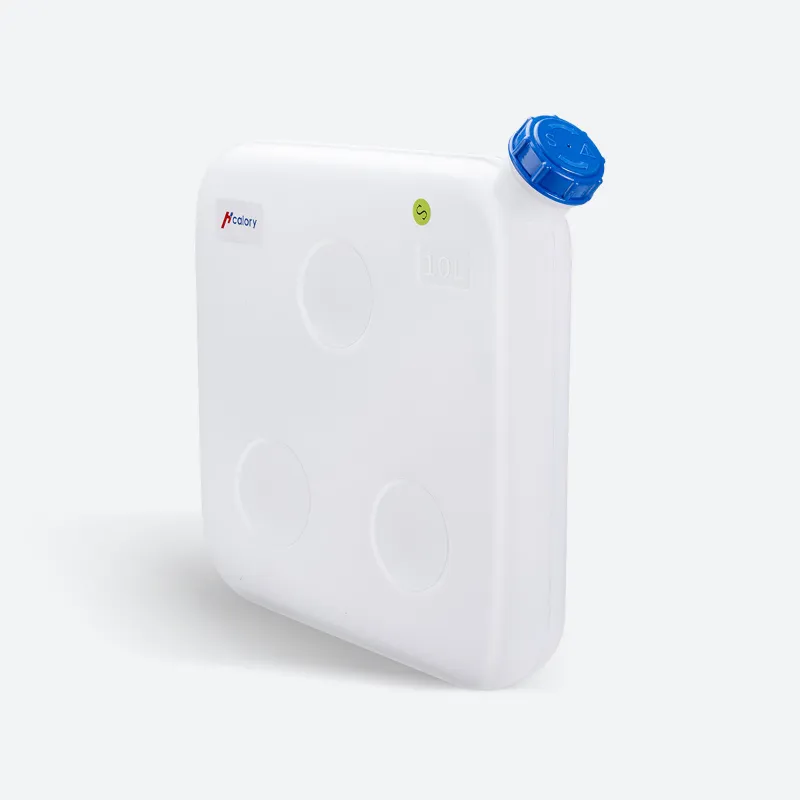
A metal diesel tank 10l stays rust-free and gel-free through winter if you keep water out of the steel and keep the fuel above its cloud point. That means full-tank storage, a water-dispersing additive, a drained water trap, and a heater that actually runs long enough to stay clean. Below is the routine we use on our own metal diesel tank 10l feeding an hcalory diesel heater, plus the buying checks that matter before you order.
Why the metal diesel tank 10l Needs Different Care Than Plastic
Steel and diesel are fine together right up until water shows up. Condensation forms on the inside walls of a partly empty steel tank when temperatures swing between a cold night and a warm day, and that water sinks to the bottom because it is heavier than diesel. From there it does two things: it rusts the tank from the inside, and it feeds microbial growth that turns fuel cloudy and clogs filters.
Cold adds a second problem. Summer-blend diesel contains waxes that start to cloud at low temperatures, and once they settle they thicken into gel that will not pump. A steel tank on an open frame, roof rack, or unheated garage loses heat faster than a plastic one, so the fuel inside it reaches the gel zone sooner.
- Rust risk: internal condensation, especially in tanks left half empty.
- Gelling risk: summer fuel, low fill level, and wind-chilled metal walls.
- Contamination risk: water and sediment pulled straight into the heater's fuel line.
Preventing Rust Inside the Tank
Moisture control is the whole game. None of these steps takes more than a few minutes.
- Store it full. A full tank has almost no air space for condensation to form in. If the heater sits idle for weeks, top the tank up rather than leaving it a quarter full.
- Drain the water trap. Most metal diesel tank 10l designs include a low-point drain or a filter bowl. Crack it after every few fill-ups and let any water run out before it reaches the burner.
- Use a diesel additive with a water disperser. A treatment that demulsifies or disperses water, plus a corrosion inhibitor, does more for a steel tank than any external coating.
- Keep the cap and vent clean. A gritty filler neck lets water sit on the seal. Wipe it dry, and check the vent is clear so the tank does not pull damp air in through a bad seal.
- Dry it before storage. If the tank comes off the heater at the end of the season, empty it, let it air out completely, and store it indoors with the cap off for a day.
- Touch up chips. Any bare steel on the outside, especially around seams and the base, will rust from the outside in. A dab of paint is cheap insurance.
Stopping Fuel Gelling Before It Stops You
Gelling is a fuel problem, not a tank problem, but the tank is where you fix it.
- Buy winter-blend diesel where it is sold. It is already cut for local temperatures.
- Add an anti-gel treatment before the cold arrives, not after the heater stalls. Additives work best in liquid fuel, not in a gelled line.
- Keep the tank well filled so there is less cold air above the fuel.
- Insulate or shelter the tank if it lives outside. Even a simple cover or moving it out of direct wind helps hold heat.
- Run the heater regularly. A long burn every week or two keeps the fuel moving, dries internal condensation, and burns off carbon in the combustion chamber.
If your heater starts then quits after a few minutes in cold weather, suspect a gelled filter or a water slug before you suspect the unit.
A Simple Winter Maintenance Schedule
This is the routine we run from late autumn through early spring. It covers both the hcalory toolbox max diesel heater and a standalone tank setup.
| Frequency | Check | Why it matters |
|---|---|---|
| Every fill-up | Water trap drain, cap seal, fuel level | Stops water reaching the burner |
| Weekly | One full heater run of 20+ minutes | Dries condensation, clears carbon |
| Monthly | Filter inspection, additive top-up | Catches gelling and contamination early |
| Season end | Empty, dry, store the tank indoors | Prevents off-season internal rust |
Pair the routine with the calory app if your heater supports it. App setup and pairing takes a couple of minutes, and it lets you check run status and start a burn without standing in the cold. That removes the main excuse for skipping the weekly run, which is the single most effective thing you can do for a metal tank and heater together.
Fit and Compatibility Checks Before You Buy
If you are buying a tank to go with a heater, get these four things right and the rest is easy:
- Fuel line size and connector type must match the heater's inlet. Most kits use a small bore line with a specific quick connector or barb.
- Tank footprint and mounting need to suit your frame, tray, or bracket. Measure before ordering, not after.
- Vent and cap design should allow air in without letting water sit on the seal.
- Material and thickness matter more than capacity if the tank lives outdoors year-round.
For the wider picture, our diesel heater buying guide logic is simple: match the heater's rated output to the space, confirm the kit includes the tank, line, and clamps, then plan where the exhaust will terminate safely. Installation basics and safety are not optional reading, especially exhaust routing away from windows and vents.
If you want the current bundle pricing, check the latest price on the store page before you compare anywhere else.
Cold-Cab Comfort: Defrosting While the Heater Warms Up
A diesel heater heats air, not glass, and the first five minutes of a cold morning are about visibility. That is where a car window defroster earns its place in the kit, clearing windscreen and side glass while the heater brings the cab up to temperature.
Use cases worth knowing:
- Frosted windscreen on a work morning. Start the defroster first, then the heater.
- Overnight condensation in a camper or van. A 12v windshield defroster running off the vehicle supply clears mist without idling the engine.
- Ice on side mirrors and rear glass. Aim the airflow before you start scraping.
The combination matters in winter: defroster for glass, diesel heater for the air you breathe while you drive. Neither one is a substitute for the other.
Shipping, Codes, and Returns
Ordering direct with our code is straightforward. Shipping and delivery times are shown at checkout, and the returns and refund policy covers unopened and faulty items in the usual window. Here is how to verify a code properly so you do not lose the discount at the last step:
- Apply the code in the cart, not on the product page.
- Confirm the order summary shows the reduction before you pay.
- Check the code has not expired and applies to your exact item.
We link the store page for that reason: grab the code there, apply it, and confirm the total changes before checkout. If it does not, contact support with your cart screenshot rather than completing the order.
Winter care for a steel fuel tank is mostly discipline: full tank, dry tank, treated fuel, and a heater that runs often enough to stay healthy. Do those four things and your metal diesel tank 10l will outlast several winters of hard use.
 Shopping at Hcalory? See today's verified Hcalory discount code
Frequently asked questions
How often should I drain water from a metal diesel tank 10l?
Check the low-point drain or filter bowl every few fill-ups and after any big temperature swing. In winter, drain it more often than in summer because condensation builds faster in cold, then warm, cycles.
Can I use summer diesel in my hcalory diesel heater in winter?
You can, but it is the main cause of gelling. Summer-blend diesel clouds and thickens at low temperatures, so either buy winter-blend fuel or treat summer fuel with an anti-gel additive before the cold sets in.
Will an additive stop rust inside a steel fuel tank?
A diesel additive with a corrosion inhibitor and water disperser slows rust significantly, but it does not replace keeping the tank full and drained. Treat the fuel and control the moisture, and the inside of the tank stays clean.
Is a metal diesel tank 10l compatible with any diesel heater?
Usually yes if the fuel line size and connector match the heater inlet, but always confirm fit and compatibility checks on the tank outlet and the kit's supplied line before you buy.
Do I need the calory app for winter maintenance?
It is not required, but app setup and pairing makes it easier to start a regular burn and check status without going outside in the cold, which helps you keep to the weekly run that prevents condensation and carbon build-up.
How do I verify a discount code before paying?
Enter it in the cart, confirm the order summary total actually drops, and check the expiry and item eligibility. If the total does not change, do not complete the order, contact support instead.