
What Paper Weight Works Best for Lori Whitlock Die Cuts and Box Templates?

The best paper weight for candy box 2 and similar Lori Whitlock box templates is 80 lb to 100 lb cardstock, offering the right balance of foldability and structure. After testing everything from lightweight text paper to heavy cover stock across dozens of projects, we've found that this range lets you score cleanly, fold precisely, and build boxes that hold their shape without buckling or tearing at the tabs.
Why Paper Weight Matters for Candy Box 2 and Box Templates
Lori Whitlock's candy box 2 features intricate score lines, small tabs, and a dimensional assembly that demands paper thick enough to stand up but flexible enough to fold without cracking. Too light and your box collapses under the weight of candy or small gifts. Too heavy and you'll split the cardstock at every fold, especially around the lid closure and corner tabs.
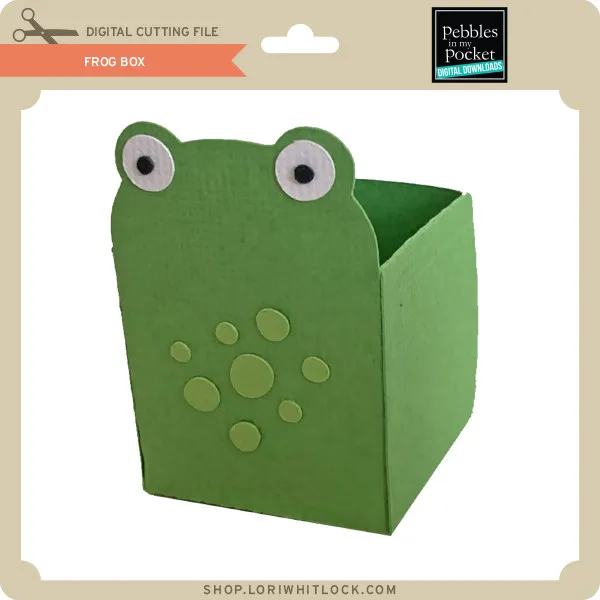
We tested the frog box and mini mailbox alongside candy box 2 using five different weights:
| Paper Weight | Foldability | Structure | Best For |
|---|---|---|---|
| 65 lb cardstock | Excellent | Poor | Flat items only |
| 80 lb cardstock | Very good | Good | Small candy boxes, lightweight gifts |
| 100 lb cardstock | Good | Excellent | Most box templates, sturdy construction |
| 110 lb cardstock | Fair | Excellent | Large boxes, heavy contents |
The 80 lb to 100 lb range consistently delivered clean folds and sturdy walls across all three box templates. For candy box 2 specifically, we recommend starting with 80 lb if you're new to scoring or working with an electronic cutter, since it's more forgiving. Step up to 100 lb once you dial in your machine settings or if you're filling the box with heavier items like chocolate truffles or small toys.
Matching Paper Weight to Other Lori Whitlock Projects
Not every design needs box-template cardstock. The lace border die cut, for example, performs beautifully on 65 lb to 80 lb paper because the delicate filigree requires flexibility to release from the mat without tearing. Heavier stock can cause fine details to rip during weeding.
For paper crafts like the mini notebook or rainbow birdie, 80 lb cardstock hits the sweet spot. It's rigid enough for covers and structural elements but light enough for interior pages or layered embellishments. The trick or treat smell my feet and best ass paper crafts also fall into this category, where medium-weight stock gives you a professional finish without adding bulk.
If you're planning a mixed project—say, a candy box 2 base with a lace border accent—cut the box from 100 lb and the decorative overlay from 65 lb. Layering different weights adds dimension and keeps intricate details crisp.
How to Test Paper Weight Before Cutting
Before you commit a full sheet, run a small test cut with a 2-inch square that includes a score line and a tab. Fold it sharply and check for:
- Cracking along the score: If the paper splits or shows white stress lines, it's too heavy for your scoring tool depth or the design's fold radius.
- Tab strength: Gently pull the tab. It should resist tearing but still fold cleanly at the base.
- Overall stiffness: Hold the folded piece upright. Does it sag or hold its shape?
Adjust your machine's blade depth and scoring wheel pressure based on the results. Most electronic cutters need a blade depth of 4 to 5 for 80 lb cardstock and 5 to 6 for 100 lb. Scoring wheels should indent the surface without cutting through.
You can grab the current discount code to stock up on a few weights and test what works best with your specific cutter and project lineup.
Where Cardstock Finish and Texture Come In
Paper weight isn't the only variable. A smooth, uncoated cardstock in 100 lb will fold more crisply than a textured linen or felt-finish stock of the same weight, because texture adds effective thickness and stiffness. For candy box 2 and other templates with tight corner folds, we stick with smooth or lightly textured finishes.
Coated or glossy cardstock can also resist scoring, causing the fold to crack the surface coating. If you want a shiny finish, apply it after assembly with a laminate or spray, or choose a pearlescent uncoated stock that has shimmer baked into the fibers.
Heavyweight cover stock (110 lb and up) works well for oversized box templates or projects that need to support real weight—think gift card holders or favor boxes filled with dense items—but it requires a deep score and a firm crease with a bone folder. For most candy box 2 builds, it's overkill.
Tips for Clean Folds and Strong Assembly
Once you've settled on 80 lb to 100 lb cardstock, a few techniques will help you get professional results every time:
- Score before you cut: If your machine allows it, run the scoring pass first. This keeps the paper flat and ensures accurate registration.
- Use a bone folder: After folding by hand, run a bone folder along each crease to set it firmly. This prevents tabs from springing open during gluing.
- Choose the right adhesive: Liquid glue works well for 80 lb stock, but 100 lb benefits from a tacky tape or hot glue on the tabs for instant hold.
- Let it dry fully: Even if the box looks secure, give it 15 to 30 minutes under a light weight (a book works) so the tabs bond completely.
When you're ready to check the latest pricing and templates, you'll find candy box 2 alongside dozens of other box and paper craft designs that follow the same weight guidelines.
Our Final Paper Weight Recommendations
For candy box 2 and similar dimensional templates like the frog box and mini mailbox, we recommend 80 lb cardstock for beginners and everyday projects, and 100 lb cardstock for gifts, party favors, or boxes that need extra durability. Intricate die cuts like lace border perform best on 65 lb to 80 lb paper, while paper crafts such as mini notebook and rainbow birdie thrive on 80 lb stock.
Start with a variety pack that includes 65 lb, 80 lb, and 100 lb sheets in a few colors, run test cuts, and note which weight your cutter handles best. Once you find your sweet spot, you'll breeze through every Lori Whitlock design with clean folds, strong seams, and professional results.
Frequently asked questions
What paper weight is best for candy box 2?
80 lb to 100 lb cardstock is ideal for candy box 2. It folds cleanly along the score lines and provides enough structure to hold candy or small gifts without collapsing.
Can I use 65 lb cardstock for Lori Whitlock box templates?
65 lb cardstock is too light for most box templates. It folds easily but lacks the rigidity needed for dimensional projects, so boxes made from 65 lb paper tend to sag or collapse.
Will 110 lb cardstock work for small candy boxes?
110 lb cardstock can work, but it's harder to fold and may crack at the score lines on small templates. Save it for larger boxes or projects that need to support heavy contents.
Do I need different paper weights for die cuts and box templates?
Yes. Intricate die cuts like lace border perform best on 65 lb to 80 lb paper, while box templates like candy box 2 and frog box need 80 lb to 100 lb cardstock for structure.
How do I test if my cardstock weight is right before cutting a full project?
Cut a small 2-inch test square with a score line and tab, then fold it sharply. Check for cracking, tab strength, and overall stiffness to confirm the weight works with your machine settings.
Should I adjust my cutting machine settings for different paper weights?
Yes. Increase blade depth and scoring pressure as you move from 80 lb to 100 lb cardstock. Run a test cut first to dial in the right settings and avoid tearing or incomplete scores.