
Do Posture Correctors Actually Work? What to Know Before Buying

Do Posture Correctors Actually Work?
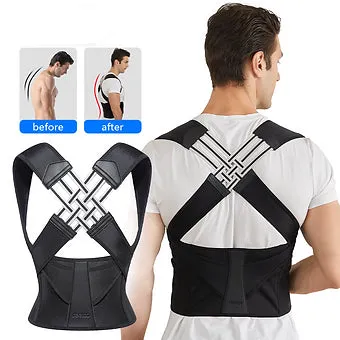
A posture belt can reduce slouching and remind you to maintain better alignment, but it won't fix weak muscles on its own. These devices work best as a training tool when combined with core strengthening exercises and workspace adjustments. We tested various support options and found that results depend heavily on how you use them, how long you wear them, and whether you address the root causes of poor posture.
Most people searching for the best posture corrector are dealing with desk-related back pain or rounded shoulders from hours of screen time. The science shows that passive support alone rarely solves chronic postural issues, but strategic use during specific activities can accelerate retraining efforts.
How a Posture Belt Actually Functions
A posture corrector works by pulling your shoulders back and aligning your spine into a more neutral position. The physical resistance reminds your brain to engage the right muscles, creating a feedback loop that can carry over even after you remove the device.
Key mechanisms include:
- Proprioceptive cueing – the belt's tension signals when you're slouching
- Muscle memory building – repeated correct positioning trains postural muscles
- Temporary offloading – reduces strain on overworked upper trapezius muscles
- Postural awareness – heightens your conscious attention to alignment
Research shows these devices are most effective when worn for short periods (20 to 60 minutes) rather than all day. Overuse can lead to muscle dependency, where your core and back muscles weaken further because the belt does the work for them.
Posture Belt for Men vs Women: What's the Difference?
Most posture belt designs are adjustable and work for any body type, but sizing and strap placement matter. A posture belt for men typically features wider shoulder straps and longer torso measurements, while a posture belt for women often includes narrower bands and accommodates chest differences.
We recommend checking the manufacturer's size chart rather than relying on generic S/M/L labels. Check the latest sizing guidance to ensure proper fit, which is critical for both comfort and effectiveness.
Common fit issues to avoid:
- Straps that dig into armpits or slide off shoulders
- Bands that restrict breathing or cause chafing
- Over-tightening, which can reduce circulation
- Under-tightening, which provides no corrective tension
Pair your posture training with an office chair cushion to support your pelvis and maintain lumbar curve while seated, or try an orthopedic memory foam pillow for proper neck alignment during sleep.
Posture Belt Lower Back Support: Does It Help?
A posture belt targeting the lower back functions differently from an upper-body corrector. Lower back belts compress and stabilize the lumbar region, which can temporarily reduce pain during heavy lifting or long periods of standing. However, studies show that prolonged reliance on lumbar support can weaken core stabilizers.
Best uses for lower back posture support:
- Acute injury recovery – short-term use during healing
- Heavy lifting tasks – warehouse work, moving furniture
- Postpartum support – while abdominal muscles regain strength
- Long drives or flights – temporary relief from static positions
For desk workers, we've found that combining a well-designed support with active break routines delivers better long-term results than wearing a belt all day.
Is a Posture Corrector Belt Good or Bad?
The answer depends on your expectations and how you use it. A posture corrector belt is good when used as a temporary training aid alongside strengthening exercises. It's bad when treated as a permanent crutch that replaces muscle engagement.
| Use Case | Effective | Ineffective |
|---|---|---|
| 30-minute training sessions | ✓ Builds awareness | ✗ Worn 8+ hours daily |
| Paired with stretching routine | ✓ Accelerates retraining | ✗ Used alone with no exercise |
| During specific activities | ✓ Reduces fatigue | ✗ Sleeping in the device |
| Transitioning to ergonomic setup | ✓ Bridges the gap | ✗ Ignoring workspace issues |
Reddit discussions about posture belt effectiveness often highlight user frustration when results plateau. The common thread in success stories is consistency with exercises and gradual weaning off the device as strength improves.
Grab our discount code to save on your first order when you're ready to test a corrector for yourself.
What to Look for When Buying
Shopping for a posture belt means filtering through dozens of nearly identical products. Focus on these factors to identify quality options:
- Breathable materials – mesh or moisture-wicking fabrics prevent skin irritation during wear
- Adjustable tension – straps that let you customize resistance as you progress
- Discreet profile – slim enough to wear under clothing if needed
- Washable construction – removable pads or machine-safe materials
- Clear sizing guidelines – brands that provide chest and shoulder measurements
Price alone doesn't predict effectiveness. We've tested budget-friendly belts that performed as well as premium models. The key is matching the design to your specific needs, whether that's upper back rounding, forward head posture, or lumbar support.
For additional workspace comfort, consider pairing your posture work with a supportive office chair cushion that promotes neutral spine alignment from the seat up.
Who Benefits Most from Posture Support?
Certain groups see faster, more noticeable results from posture belt use:
- Office workers spending 6+ hours at desks
- Post-surgery patients following spinal procedures (with medical clearance)
- Teens and young adults developing postural habits
- Manual laborers experiencing cumulative strain
- Gamers and creatives in prolonged static positions
If you're dealing with chronic pain, numbness, or radiating symptoms, consult a physical therapist before relying on a belt. These devices can support recovery but shouldn't replace professional assessment.
For overall wellness beyond posture, explore complementary products like the wearable heated blanket with foot pocket for muscle relaxation after long days, or the orthopedic memory foam pillow to maintain alignment during sleep.
Our Bottom Line
A posture belt works as a training tool when you commit to short, focused wear sessions combined with strengthening exercises. It won't magically fix years of slouching, but it can accelerate your progress when used correctly. We recommend starting with 20-minute sessions three times daily, gradually increasing as your postural muscles adapt.
For the best results, address your workspace ergonomics, incorporate daily stretching, and use the belt as a temporary guide rather than a permanent solution. Check current pricing and our exclusive code to get started with quality support options.
Frequently asked questions
How long should I wear a posture belt each day?
Start with 20 to 30 minutes, two or three times daily. Wearing a corrector for more than two hours at a time can weaken your postural muscles by making them reliant on external support.
Can a posture corrector fix rounded shoulders permanently?
No device alone provides a permanent fix. A posture belt helps retrain muscle memory, but lasting change requires strengthening your upper back and stretching tight chest muscles through consistent exercise.
Are posture belts safe for people with scoliosis?
Mild scoliosis may benefit from temporary support, but moderate to severe cases require medical guidance. Always consult your doctor or physical therapist before using a corrector if you have spinal curvature.
Do I need a different belt for lower back versus upper back posture?
Yes, lower back belts focus on lumbar compression and stability, while upper back correctors pull shoulders into alignment. Choose based on where you experience the most slouching or discomfort.
Will wearing a posture belt under my clothes be noticeable?
Slim, breathable designs are usually invisible under loose clothing, but bulkier models with thick straps may show through fitted shirts. Check product photos and reviews for discreetness feedback.
Can I sleep in a posture corrector?
No, sleeping in a posture belt is unsafe and uncomfortable. It can restrict breathing, reduce circulation, and prevent natural movement during sleep. Use it only while awake and active.