
RC Plane vs Drone: Which Is Better for Beginners?

Remote Control Plane vs Drone: Which Is Better for Beginners?
A remote control plane delivers a traditional aviation experience with longer flight times and greater speed, while drones offer stability features like hovering and GPS hold that make them easier to control right out of the box. Your choice depends on whether you want the hands-on challenge of piloting a fixed-wing aircraft or the convenience of a self-stabilizing quadcopter. We tested both to help you decide which fits your flying goals.
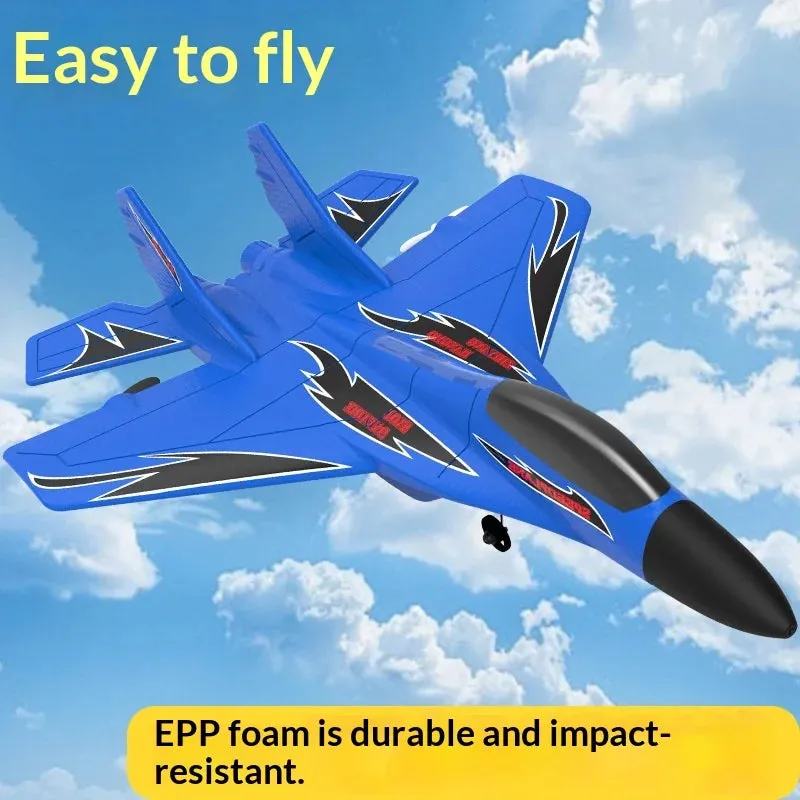
If you're leaning toward planes, our remote control plane is designed specifically for newcomers who want that classic flying feel without an overwhelming learning curve. Before you buy, grab the code to save on your first aircraft.
What Makes a Remote Control Plane Different
Fixed-wing aircraft require constant forward motion to stay airborne, just like full-size planes. You cannot stop mid-air to reposition or hover while you think through your next move. This demands more active piloting but rewards you with faster speeds, longer range, and better performance in wind. Most remote control plane for beginners models use lightweight foam construction that survives crashes better than you'd expect.
Traditional radio-controlled aircraft rely on control surfaces like ailerons, elevators, and rudders. You adjust these surfaces to bank, climb, or turn, which feels closer to real aviation than thumbstick commands. Many pilots find this tactile connection more satisfying once they master the basics.
Planes also fly longer on a single battery. Where a typical drone gives you 15 to 25 minutes, a well-built remote control plane for adults can stay up for 30 to 45 minutes depending on wind and throttle use.
How Drones Simplify the Learning Curve
Drones use multi-rotor designs—usually four propellers—that let them hover in place, fly backward, and land vertically. Onboard gyroscopes and accelerometers automatically correct for gusts and tilt, so beginners spend less time fighting instability and more time enjoying the view.
Most consumer drones include GPS positioning, return-to-home functions, and obstacle sensors. If you release the sticks, the drone simply hovers until you're ready to continue. This safety net makes them ideal for aerial photography, inspection tasks, or casual flying in tight spaces like backyards.
The tradeoff is shorter flight time and higher cost for comparable quality. Camera drones also add regulatory considerations in many regions, including registration and airspace restrictions that do not always apply to lightweight foam planes.
Flight Experience and Skill Development
Piloting a plane teaches you fundamental aerodynamics. You learn to manage momentum, plan approaches, and execute smooth turns without losing altitude. Landings require genuine skill—too steep and you nose in, too shallow and you overshoot. That challenge is exactly what makes the hobby rewarding for enthusiasts who want a deeper skill ceiling.
Drones reward spatial awareness and camera framing instead. You master gimbal control, orbit modes, and waypoint planning. The flying itself stays relatively simple, which frees you to focus on capturing footage or exploring terrain.
If your goal is to understand how aircraft actually fly and eventually move up to larger or faster models, start with a remote control plane for kids or trainer version. If you want quick wins and practical applications like real estate photography or farm monitoring, a drone delivers results faster.
Cost and Maintenance Comparison
Entry-level planes often cost less upfront than camera drones. A solid remote control plane kit with transmitter and battery runs $80 to $150, while a comparable beginner drone with camera starts around $200. Both need spare batteries, and planes require occasional propeller or foam part replacements after hard landings.
Drones have more complex electronics, so repairs can mean sending the unit back to the manufacturer or replacing entire arms. Planes use simpler components—motors, servos, and receivers—that you can swap at home with basic tools.
For current pricing on our tested model, check the latest price and apply the 10% discount at checkout.
| Feature | Remote Control Plane | Drone |
|---|---|---|
| Hovering | No | Yes |
| Flight Time | 30–45 min | 15–25 min |
| Wind Handling | Excellent | Moderate |
| Learning Curve | Steeper | Gentler |
| Repair Cost | Lower | Higher |
Which One Should You Choose
Pick a remote control plane if you want to develop real piloting skills, fly longer on each charge, and enjoy a more affordable entry into the hobby. Planes excel in open fields and reward practice with a genuine sense of mastery. They're especially appealing if you grew up watching aviation documentaries or building balsa-wood models.
Choose a drone if you need hovering capability, plan to shoot video, or want a more forgiving platform while you learn basic orientation and throttle control. Drones fit smaller flying areas and offer immediate utility beyond recreation.
For those still deciding, some hobbyists start with a small foam trainer plane to build coordination, then add a budget drone later for aerial photography. The skills overlap more than you'd think—both teach you to respect battery limits, read wind, and stay within line of sight. Visit Horizon Hobby's airplanes section to see the full range of trainer and intermediate fixed-wing options available.
Our remote control plane strikes a practical balance for newcomers: it's durable enough to survive the first dozen flights, light enough to glide during power loss, and responsive enough to grow with your skill. Pair it with the store's current offer by heading to the discount code page before your first order.
Frequently asked questions
Is a remote control plane harder to fly than a drone?
Yes, planes require constant forward motion and more active control, while drones can hover and self-stabilize. Most beginners find drones easier in the first few flights, but planes offer a more rewarding skill progression.
How long does a beginner RC plane battery last?
Most foam trainer planes fly for 30 to 45 minutes on a single charge, depending on throttle use and wind conditions. This is significantly longer than the 15 to 25 minutes typical of entry-level camera drones.
Can I fly a remote control plane in my backyard?
Only if you have a large, open area free of trees and obstacles. Planes need runway space for takeoff and landing, while drones can launch and land vertically in smaller yards.
Do I need a license to fly an RC plane?
In most regions, small hobby planes under 250 grams do not require registration. Larger models may need to follow local model aircraft guidelines, but licensing requirements are generally less strict than for camera drones.
Which is cheaper to repair after a crash?
RC planes typically cost less to repair because they use simpler components like foam bodies and basic servos that you can replace at home. Drone repairs often involve complex electronics or factory service.
What's the best first aircraft for learning real piloting skills?
A lightweight foam trainer plane teaches you fundamental aerodynamics, momentum management, and landing techniques that translate to larger aircraft. Drones are easier but focus more on camera operation than traditional flying skills.