
Potensic Atom 2 vs K90 Max: Which Drone Is Better for Beginners?

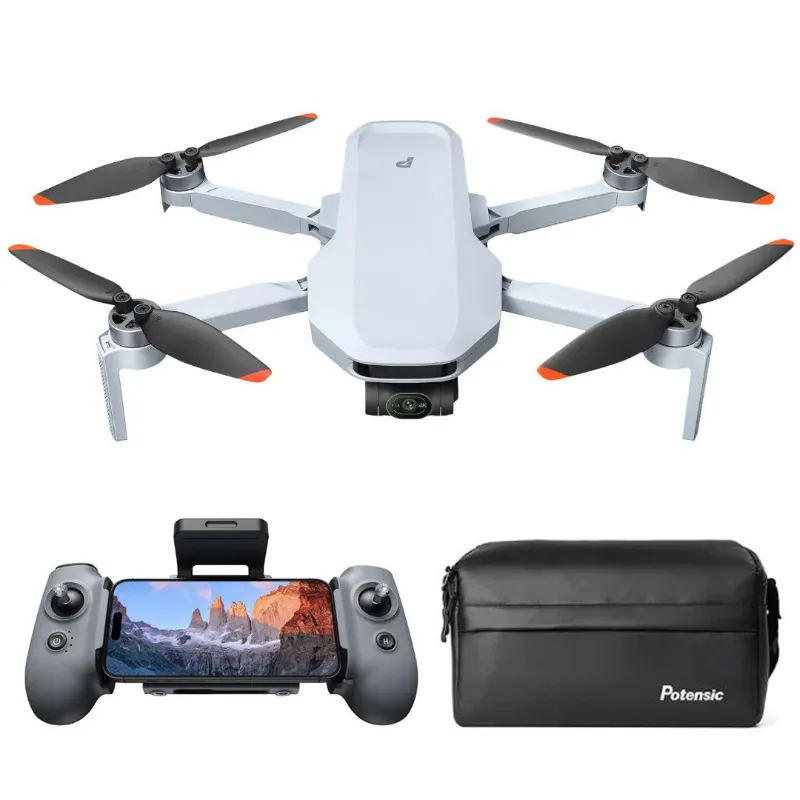
The potensic atom 2 delivers superior camera quality and portability, while the k90 max offers longer flight time at a lower price point. Both drones cater to beginners, but your choice depends on whether you prioritize video quality and compact design or extended airtime and budget savings. We tested both models to help you decide which fits your flying style.
What Makes the Potensic Atom 2 Stand Out
The Potensic Atom 2 shines in the compact drone category with genuine 4K video recording and a three-axis gimbal that keeps footage smooth even in moderate wind. The foldable design weighs under 249 grams, so you can fly in most regions without registration. We found the obstacle avoidance sensors reliable during low-altitude flights, and the GPS return-to-home function adds peace of mind for first-time pilots.
Battery performance sits around 30 minutes per charge with the standard pack, though the potensic atom 2 fly more combo extends your session time with extra batteries and a charging hub. The controller pairs quickly via the Potensic app, and the interface walks you through calibration without overwhelming new users. Potensic's official product page highlights the camera specs and intelligent flight modes in detail.
If portability matters, this drone fits in a jacket pocket and deploys in seconds. The build quality feels solid for the price, and the propeller guards snap on easily when you're learning. Check the latest price to see if the fly more bundle suits your needs.
How the K90 Max Compares for Budget-Conscious Fliers
The K90 Max prioritizes flight time and affordability. You'll get roughly 35 to 40 minutes per battery, which beats most entry-level drones in this range. The camera records at 2K resolution—less crisp than the Potensic Atom 2, but still usable for social media and practice runs. The two-axis gimbal handles gentle movements, though fast pans can introduce minor jitter.
This model skips advanced obstacle sensors, so we recommend wide-open spaces while you build confidence. The GPS stabilization works well, and the one-key takeoff simplifies your first dozen flights. The controller uses physical buttons instead of a touchscreen overlay, which some pilots prefer for tactile feedback.
Weight comes in slightly above 250 grams, meaning you may need to register depending on your location. The frame feels durable enough for minor bumps, and spare parts stay affordable. If extended airtime outweighs cutting-edge video quality, the K90 Max delivers solid value. Grab the code to save on your order.
Side-by-Side Comparison: Key Specs and Features
| Feature | Potensic Atom 2 | K90 Max |
|---|---|---|
| Camera | 4K, 3-axis gimbal | 2K, 2-axis gimbal |
| Flight Time | ~30 min | ~35-40 min |
| Weight | <249 g | ~260 g |
| Obstacle Avoidance | Multi-direction sensors | None |
| Portability | Foldable, pocket-sized | Foldable, slightly larger |
Both drones include GPS return-to-home, follow-me modes, and waypoint planning through their respective apps. The Potensic Atom 2 battery swaps out faster thanks to a slide-lock mechanism, while the K90 Max uses a screw-in mount that adds a few seconds.
Which Drone Fits Your Flying Goals
Choose the Potensic Atom 2 if you plan to capture travel footage, hike with your gear, or share polished clips online. The 4K sensor and gimbal stabilization make a noticeable difference in final output, and the sub-250-gram design keeps regulations simple. Reviewers at The Drone Girl and Fstoppers praised its image quality relative to the price.
Pick the K90 Max if longer practice sessions matter more than ultimate video fidelity. The extra flight time per battery lets you refine maneuvers without constant landings, and the lower entry cost leaves room in your budget for spare props or a second battery. It handles light wind well and proves forgiving during your first crashes.
Both models suit beginners who want stable GPS flight and automated modes. Neither requires prior piloting experience, though we recommend reading the quick-start guides and flying in beginner mode for your first few outings.
Accessories and Bundles Worth Considering
The potensic atom 2 combo includes two extra batteries, a multi-charger, and a carrying case—ideal if you're heading to the field for an afternoon. Third-party ND filters fit the gimbal and help control exposure in bright sunlight. Propeller guards add confidence during indoor test flights.
For the K90 Max, a spare battery pack and a set of backup propellers cover most scenarios. Screen shades improve visibility on sunny days, and a simple landing pad protects the camera during takeoffs on dusty ground.
If you're exploring FPV flying later, goggles like the walksnail avatar hd goggles x or skyzone cobra x pair with compatible racing drones such as the fpv drón. Those setups demand more skill but open up immersive flight experiences. For waterproof missions, the swellpro fisherman max handles splash zones and light rain that would ground the Atom 2 or K90 Max.
Tips for Your First Flights with Either Drone
Start in an open park with minimal foot traffic and no overhead obstacles. Calibrate the compass and IMU through the app before takeoff, and confirm GPS lock shows at least eight satellites. Launch in beginner mode to cap speed and altitude, then gradually switch to normal mode as your confidence grows.
Practice basic maneuvers—forward, backward, yaw rotations—at chest height before attempting complex moves. Use the return-to-home button if you lose orientation, and always monitor battery levels to leave a margin for safe landing. Both drones warn you at 30 percent and 10 percent remaining.
Keep firmware updated through the companion app to unlock bug fixes and feature improvements. Register your drone if local regulations require it, and respect no-fly zones around airports and restricted airspace. Visit the store page to find current bundles and apply the sitewide discount.
Wind tolerance sits around 15 to 20 mph for both models, though gusts above that threshold will drain batteries faster and challenge stability. Morning and evening flights often offer calmer conditions and better lighting for video. Store batteries at 50 to 60 percent charge if you won't fly for several weeks, and avoid leaving them in hot cars or freezing garages.
Final Verdict: Match the Drone to Your Priorities
The Potensic Atom 2 wins on portability, camera performance, and intelligent obstacle sensing, making it the smarter pick for travelers and content creators who value crisp footage. The K90 Max excels in flight endurance and cost efficiency, suiting pilots who want maximum practice time per charge without stretching their budget. Both drones handle beginner mistakes gracefully and deliver stable GPS flight out of the box, so your decision hinges on whether you prioritize image quality or airtime.
Frequently asked questions
Does the Potensic Atom 2 require FAA registration?
No, the Potensic Atom 2 weighs under 249 grams, so recreational fliers in the US do not need to register it. Always check your local regulations, as rules vary by country.
Can I use the same batteries for both drones?
No, the Potensic Atom 2 and K90 Max use different battery connectors and voltage specs. Each model requires its own proprietary battery packs.
Which drone is easier to repair after a crash?
Both drones offer affordable spare parts, but the K90 Max uses simpler screw-on propellers and a more modular frame. The Potensic Atom 2's compact folding design can make some repairs slightly more involved.
How do the cameras compare in low light?
The Potensic Atom 2's larger sensor and three-axis gimbal handle dusk conditions better than the K90 Max's 2K camera. Both struggle in full darkness without auxiliary lighting.
Can I upgrade the K90 Max camera later?
No, the camera is integrated into the gimbal assembly and not designed for user upgrades. If you need better image quality, consider moving to a model with a native 4K sensor.
Do these drones work with FPV goggles?
Neither the Potensic Atom 2 nor the K90 Max includes native FPV goggle output. For immersive first-person flight, look at dedicated FPV models that support goggles like the Walksnail Avatar HD Goggles X or Skyzone Cobra X.