
How to Waterproof Your Drone: Does the Swellpro Fisherman Max Really Work?

How to Waterproof Your Drone: Does the Swellpro Fisherman Max Really Work?
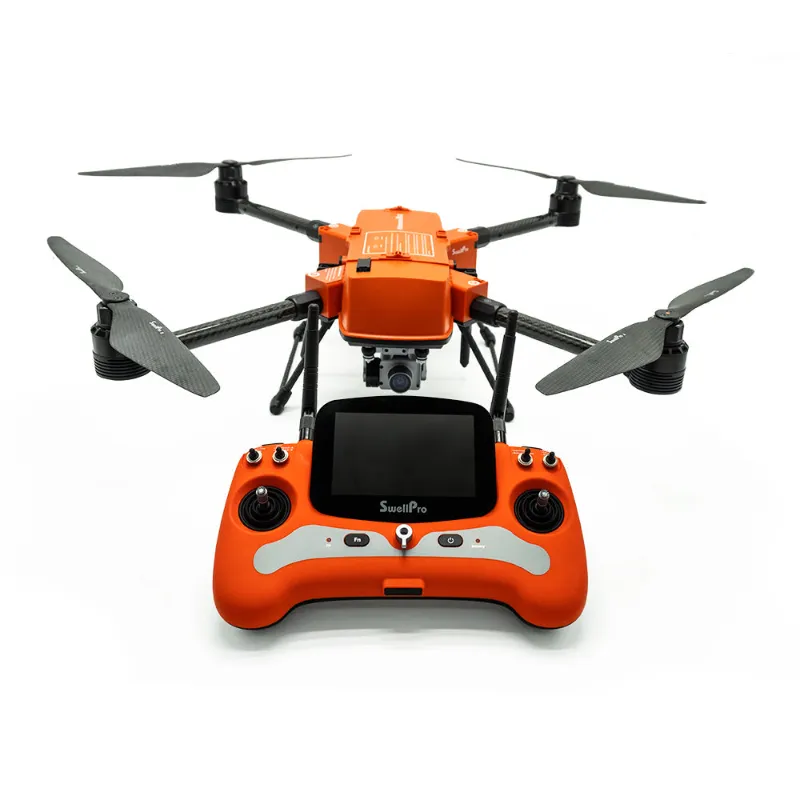
The swellpro fisherman max is designed from the ground up for water operations, with IP67 sealing that lets it float, land on waves, and keep flying after submersion. Most consumer drones cannot survive a splash, but this platform targets anglers and marine operators who need reliable all-weather flight. Below we explain how waterproofing works, whether the Fisherman Max lives up to its claims, and what alternatives exist if you want splash resistance without the premium price.
What Makes the Swellpro Fisherman Max Waterproof
True waterproofing requires sealed electronics, corrosion-resistant materials, and buoyancy so the airframe floats if it hits the water. The Fisherman Max uses a carbon-fiber composite shell with rubber O-rings around every hatch and connector. Its IP67 rating means dust-tight and submersion-proof to one meter for 30 minutes, which covers wave landings and brief dunks.
Key waterproofing features include:
- Sealed motor housings with corrosion-resistant coatings that prevent saltwater damage
- Foam flotation blocks inside the fuselage to keep the drone upright on the surface
- Waterproof battery bay with a gasket-secured latch and drainage ports
- Conformal coating on the flight controller and ESC boards to repel moisture
The swellpro fisherman max drone ships with a payload release system for dropping bait, so anglers can cast lines 500 meters offshore. Because every connector is sealed, you can rinse the airframe with fresh water after a saltwater flight without risk.
Swellpro Fisherman Max Performance and Battery Life
The Fisherman Max uses a three-cell 5200 mAh LiPo that delivers roughly 25 minutes of flight time with no payload and 18 to 20 minutes when carrying a 500-gram bait load. Check the latest price to see current bundle options and swellpro fisherman max battery packs.
Real-world performance depends on wind and payload:
| Condition | Flight Time | Payload Capacity |
|---|---|---|
| No payload, calm air | ~25 min | 0 g |
| 500 g bait, light breeze | ~18 min | 500 g |
| Max payload (1 kg), moderate wind | ~12 min | 1,000 g |
Wind resistance is strong thanks to the heavier waterproof shell, but you lose agility compared to racing or freestyle platforms. The camera gimbal stabilizes 1080p video, though it lacks the 4K resolution of newer consumer drones like the potensic atom 2.
How the Swellpro Fisherman Max Compares to Non-Waterproof Drones
If you do not need full submersion capability, splash-resistant drones cost far less and offer better camera specs. The k90 max features obstacle avoidance and 4K recording for around half the price of the Fisherman Max, but a single raindrop in the wrong port can brick the electronics.
Advantages of the Swellpro Fisherman Max:
- True marine-grade waterproofing with IP67 sealing
- Floats and can be retrieved after water landings
- Corrosion-resistant materials for saltwater use
- Purpose-built payload release for fishing
Drawbacks:
- Higher weight reduces speed and agility
- Shorter flight time than lightweight racing models
- Premium pricing compared to consumer quads
- Camera limited to 1080p instead of 4K
For pilots who fly over water occasionally but do not land on it, a cheaper option with a splash guard or conformal coating may suffice. Grab the code to save 8% on any drone at Dronesset and compare specs before committing to a waterproof build.
Real User Feedback on the Swellpro Fisherman Max FD2
The FD2 variant adds improved motor seals and a longer-range controller over the original model. Reviews from fishing operators confirm the drone survives repeated saltwater landings, though the battery connector requires careful cleaning to prevent corrosion over time.
Common praise includes:
- Reliable floatation even in choppy conditions
- Stable hover in 20+ mph winds thanks to the heavier frame
- Easy payload hook for clipping bait bags
Complaints focus on the bulky transport case, limited camera quality, and the need to buy extra batteries for all-day fishing trips. Pilots also note that while the swellpro fisherman max fd2 handles rain without issue, cold water below 10°C can reduce battery performance by 20 to 30 percent.
Alternatives for Water-Resistant Flight on a Budget
If your priority is occasional rain flight rather than full submersion, consider these options:
- Potensic Atom 2 – foldable design with 4K camera and basic splash resistance, best for lake surveys in light rain
- K90 Max – obstacle sensors and longer range, add a DIY conformal coating for moisture protection
- FPV drón – freestyle platform with open frame that drains water quickly, though electronics still need coating
For FPV pilots who want to fly in mist or light spray, pairing the walksnail avatar hd goggles x or skyzone cobra x with a coated racing quad gives better image transmission than the Fisherman Max's analog video link. You sacrifice true waterproofing, but you gain speed and camera flexibility.
If you prefer helicopters over multirotors, models like the goosky s2 or flywing bell 412 rc helicopter offer scale realism and can handle light moisture, though none match the submersion rating of the Fisherman Max. The yu xiang helicopter and fly wing rc helicopter are both popular scale options for enthusiasts who want rotor-driven flight without quad electronics.
Who Should Buy the Swellpro Fisherman Max
This platform makes sense for three groups:
- Surf and offshore anglers who need reliable bait delivery beyond casting range
- Marine surveyors who inspect docks, boat hulls, or aquaculture pens near the waterline
- Search and rescue teams operating in coastal or flood zones where dunking is unavoidable
Hobby pilots who fly over rivers or lakes but rarely land on water will find better value in a standard consumer drone with a third-party waterproofing treatment. Commercial operators who bill for marine inspections can justify the cost because a single water-damaged replacement would exceed the Fisherman Max price.
For current swellpro fisherman max price details and bundle offers, check the latest price at Dronesset and compare FD2 versus FD3 variants based on your range and camera needs.
Final Takeaway
The swellpro fisherman max delivers on its waterproof promise with IP67 sealing, buoyancy, and corrosion resistance that let you land on waves and fly through rain without fear. If you fish offshore, inspect marinas, or operate in wet environments where a standard drone would fail, the investment pays off in reliability. For pilots who want splash protection without the weight penalty, explore lighter alternatives like the potensic atom 2 or k90 max and add a conformal coating yourself. Either way, match the waterproofing level to your real-world risk and budget accordingly.
Frequently asked questions
Can the swellpro fisherman max actually survive saltwater landings?
Yes, the IP67 sealing and corrosion-resistant motors let it float and take off from saltwater. Rinse the airframe with fresh water after each session to prevent long-term salt buildup on connectors and hinges.
How long does the swellpro fisherman max battery last with a bait payload?
Expect 18 to 20 minutes of flight time when carrying a 500-gram bait load in calm conditions. Wind and heavier payloads reduce that to around 12 minutes.
Is the Fisherman Max worth it if I only fly over water occasionally?
Probably not. A standard drone with a DIY conformal coating costs less and offers better camera specs. Reserve the Fisherman Max for operators who regularly land on water or fly in heavy rain.
What is the difference between the FD2 and FD3 versions?
The FD3 adds a longer-range video link and improved motor seals over the FD2. Both models share the same IP67 waterproof rating and payload capacity.
Can I use the Fisherman Max in freezing temperatures?
The electronics function in cold air, but battery performance drops 20 to 30 percent in water below 10°C. Keep spare batteries warm and swap them frequently in winter conditions.
Do I need special maintenance after flying in saltwater?
Rinse the entire airframe with fresh water, dry the battery bay, and inspect O-rings for sand or debris. Apply silicone grease to seals every few flights to maintain waterproofing.