
Sea Moss for Thyroid Health: Daily Dosage and Safety

Does Sea Moss Support Thyroid Function?
Sea moss delivers concentrated natural iodine that your thyroid gland uses to produce hormones regulating metabolism, energy, and body temperature. For people with iodine deficiency or sluggish thyroid function, incorporating sea moss into your daily routine can help restore hormonal balance. However, the same iodine content that makes it beneficial also requires careful dosing, especially if you have existing thyroid conditions or take thyroid medication.
We tested multiple forms and spoke with nutritionists to understand safe usage patterns. This guide covers daily dosage ranges, who benefits most, potential risks, and how to integrate sea moss responsibly into your wellness routine.
How Sea Moss Benefits Thyroid Health
Your thyroid requires iodine to synthesize thyroxine (T4) and triiodothyronine (T3), the hormones that control nearly every cell's metabolic rate. Health Benefits of Sea Moss confirms that wildcrafted varieties contain 47 mg of iodine per gram when dried, though levels vary by harvest location and species.
Key thyroid benefits:
- Iodine replenishment for people in deficient regions or following plant-based diets that exclude iodized salt and dairy
- Improved T3/T4 production when baseline iodine intake falls below 150 mcg per day (the RDA for adults)
- Support for hypothyroid symptoms like fatigue, weight gain, and brain fog tied to insufficient hormone output
- Trace minerals including selenium and zinc that assist thyroid enzyme function
Many users report better energy within two to four weeks of starting sea moss gel, though individual response depends on baseline iodine status and thyroid health.
Safe Daily Dosage for Thyroid Support
The recommended daily iodine intake for adults is 150 mcg, with an upper tolerable limit of 1,100 mcg to prevent thyroid dysfunction. Because iodine concentration in sea moss varies widely by type and processing, we recommend starting conservatively and monitoring your response.
General dosage guidelines:
| Form | Starting Dose | Maximum Daily |
|---|---|---|
| Raw dried sea moss | 1–2 grams | 4 grams |
| Sea moss gel | 1 tablespoon (15 ml) | 2 tablespoons |
| Capsule supplements | Follow label (typically 500–1,000 mg) | Do not exceed label |
Start with the lower end and assess how you feel after two weeks. If you're already taking iodine supplements, a multivitamin with iodine, or eating iodine-rich foods (fish, dairy, eggs), reduce your sea moss portion accordingly. Check the latest price and grab our code to save on your first order.
When to adjust:
- Increase slightly if you follow a strict vegan diet with no iodized salt or fortified foods
- Reduce or pause if you experience heart palpitations, anxiety, or insomnia (signs of excess iodine)
- Consult your doctor before any change if you take levothyroxine or other thyroid medication
Who Should Avoid or Limit Sea Moss
While sea moss benefits many people, certain conditions and medications make it unsafe or require medical oversight. Health Benefits and Risks of Sea Moss: What You Should Know highlights the importance of individualized assessment.
Avoid sea moss if you have:
- Hyperthyroidism or Graves' disease: Excess iodine can worsen overactive thyroid symptoms and trigger thyroid storm in severe cases.
- Hashimoto's thyroiditis: Some research suggests high iodine intake may increase autoimmune thyroid antibodies in susceptible individuals.
- Thyroid nodules or goiter: Additional iodine may stimulate nodule growth or hormone imbalance.
- Shellfish or iodine allergy: Sea moss can trigger allergic reactions in sensitive individuals.
Use cautiously and consult your healthcare provider if you:
- Take levothyroxine, Synthroid, or other thyroid hormone replacement (sea moss may interfere with absorption or dosage needs)
- Are pregnant or breastfeeding (iodine needs increase, but excess poses risk)
- Have kidney disease (impaired iodine excretion increases toxicity risk)
- Take blood thinners (sea moss has mild anticoagulant properties)
How to Use Sea Moss Gel for Thyroid Health
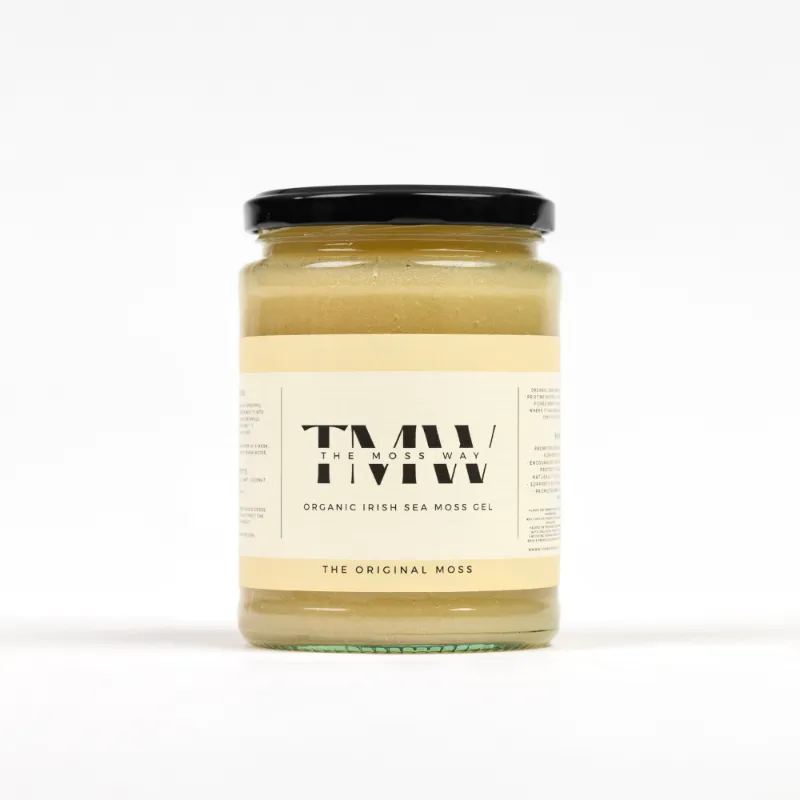
Sea moss gel is the most popular form because it blends easily into daily routines. We prepare ours by soaking dried seamoss overnight, rinsing thoroughly, then blending with spring water until smooth.
Daily serving ideas:
- Stir 1 tablespoon into morning smoothies with fruit, greens, and plant milk
- Mix into oatmeal, chia pudding, or overnight oats for seamless integration
- Blend into sea moss drink recipes with lemon, ginger, and honey
- Add to homemade salad dressings or sauces as a thickener
Take sea moss at least four hours apart from thyroid medication to avoid absorption interference. Consistency matters more than timing, so choose a daily routine you'll stick with.
For those who prefer whole-food forms, raw sea moss can be rehydrated and added to soups or stews, though the texture is chewier and the ocean flavor more pronounced.
Monitoring Your Thyroid Response
Because iodine needs and thyroid sensitivity vary, we recommend tracking how you feel during the first month and requesting a thyroid panel (TSH, free T3, free T4) after eight weeks if you have known thyroid issues.
Positive signs sea moss is working:
- Steady energy throughout the day without afternoon crashes
- Easier weight management and reduced bloating
- Improved focus and mental clarity
- Better tolerance to cold temperatures
- Healthier hair, skin, and nails
Warning signs of excess iodine:
- Rapid or irregular heartbeat
- Tremors or jitteriness
- Unexplained anxiety or insomnia
- Metallic taste in mouth
- Acne or skin rashes
If you notice negative symptoms, stop taking sea moss immediately and consult your doctor. Most mild side effects resolve within a few days of discontinuation.
Visit our discount code page to save on premium wildcrafted options that we've tested for quality and purity.
Choosing Quality Sea Moss for Safety
Not all sea moss contains the same iodine levels or purity. Farmed varieties often contain less iodine than wildcrafted types, and some products are bulked with fillers or carrageenan extract rather than whole seaweed.
What we look for:
- Wildcrafted or organic certification to minimize heavy metal contamination from polluted waters
- Species transparency: *Chondrus crispus* (Irish moss) and *Gracilaria* are the most common true sea moss varieties
- Third-party testing for iodine content, heavy metals, and microbial safety
- Minimal processing: Whole dried sea moss or fresh gel made from whole fronds, not isolated extracts
We tested multiple store options and found The Moss Way's mylas moss and sea weed varieties consistently deliver clean taste and predictable effects when used at recommended doses.
Building a Thyroid-Friendly Routine
Sea moss works best as part of a broader strategy that includes adequate protein, selenium-rich foods (Brazil nuts, eggs, chicken), and stress management to support healthy thyroid function.
Complementary practices:
- Eat enough calories: Chronic dieting suppresses thyroid hormone production independent of iodine status.
- Limit goitrogenic foods when raw: Cruciferous vegetables like broccoli and kale can interfere with iodine uptake if eaten raw in large amounts; cooking deactivates most goitrogens.
- Prioritize sleep: Poor sleep disrupts TSH release and thyroid hormone conversion.
- Manage stress: Chronic cortisol elevation impairs T4-to-T3 conversion.
Many of our readers combine sea moss gel with selenium supplementation and report the best results when both nutrients are adequate. Is sea moss extract good for you? offers additional perspective on safe integration for families.
The sea moss benefits for female readers often extend beyond thyroid support to include improved menstrual regularity and skin hydration, though those effects stem from the broader mineral profile rather than iodine alone. If you're exploring sea moss benefits and side effects for the first time, start with a small dose and give your body two to three weeks to adjust before increasing intake.
For current pricing and to save on your order, grab the code here and choose the format that fits your lifestyle best.
Frequently asked questions
How much sea moss should I take daily for thyroid health?
Start with 1 tablespoon of sea moss gel or 1–2 grams of dried sea moss per day, which provides roughly 150–300 mcg of iodine. Monitor your response for two weeks before adjusting, and stay below the upper limit of 1,100 mcg daily iodine from all sources to avoid thyroid dysfunction.
Can I take sea moss if I'm on thyroid medication?
You should consult your doctor before combining sea moss with levothyroxine or other thyroid medications. Sea moss can interfere with medication absorption and may require dosage adjustments. If approved, take sea moss at least four hours apart from your medication.
What are the side effects of too much sea moss?
Excess iodine from too much sea moss can cause heart palpitations, anxiety, insomnia, tremors, or worsened hyperthyroidism. If you experience these symptoms, stop taking sea moss immediately and consult your healthcare provider.
Is sea moss safe for people with Hashimoto's thyroiditis?
People with Hashimoto's should use caution, as high iodine intake may increase thyroid antibodies in some individuals. Work with your doctor to determine if sea moss is appropriate for your specific case and monitor thyroid labs regularly.
How long does it take to see thyroid benefits from sea moss?
Most people notice improved energy and reduced hypothyroid symptoms within two to four weeks of consistent daily use. For accurate assessment of thyroid hormone changes, request a thyroid panel after eight weeks.
Should I choose sea moss gel or raw dried sea moss?
Sea moss gel blends more easily into smoothies and drinks, making it simpler to use daily. Raw dried sea moss requires soaking and preparation but offers more control over texture and concentration. Both provide similar iodine content when dosed appropriately.