
Sea Moss vs Seaweed: Which One Has More Nutrients?

Sea Moss vs Seaweed: Which One Has More Nutrients?
Sea moss edges ahead in iodine and certain minerals, while seaweed varieties generally offer more vitamins and protein. Both sea moss and seaweed deliver exceptional nutritional density, but the "winner" depends entirely on which specific nutrients you need and which variety you choose. We tested both to break down exactly what each brings to your plate.
Understanding the distinction matters because many people use these terms interchangeably when they're actually shopping for different products with different benefits. Sea moss (specifically Irish moss or Chondrus crispus) is one type of red algae, while seaweed encompasses thousands of species including kelp, nori, dulse, and wakame. Let's compare their nutrient profiles so you can make the right choice for your needs.
What Sea Moss Brings to the Table
Sea moss benefits center on its remarkable mineral content. This red algae concentrates iodine, calcium, magnesium, potassium, and sulfur from ocean water as it grows along rocky Atlantic coastlines.
The standout nutrients in quality seamoss include:
- Iodine – supports thyroid function and metabolism regulation
- Carrageenan – a natural thickening compound with potential gut-soothing properties
- Calcium and magnesium – work together for bone density and muscle function
- Potassium – helps regulate blood pressure and fluid balance
- Iron – supports oxygen transport, though in modest amounts
What is Sea Moss, and What is It Good For? explains how this algae has been used traditionally in Caribbean and Irish cuisine for centuries. Today, most people consume it as sea moss gel or in sea moss drink form rather than whole.
The sea moss benefits for female health often focus on its iodine content, which supports hormone balance, though pregnant women should consult a healthcare provider before adding concentrated iodine sources. Check the latest pricing and quality options from verified suppliers who test for heavy metals and provide harvest location transparency.
The Seaweed Advantage: Variety and Vitamins
Seaweed isn't a single food—it's an entire category spanning green, red, and brown algae. This diversity means nutrient profiles vary dramatically by type.
Kelp and kombu (brown seaweed) typically deliver:
- Extremely high iodine levels, often exceeding daily recommendations in a single serving
- Fucoxanthin, a compound studied for metabolic support
- Folate and other B vitamins
Nori (the sheets wrapping sushi) offers:
- More protein per gram than most plant foods
- Vitamin B12 in a rare plant-based form
- Vitamins A and C in meaningful amounts
Dulse and wakame provide:
- Balanced mineral profiles without excessive iodine
- Omega-3 fatty acids (EPA)
- Vitamin K for blood clotting and bone health
Quality sea weed products from clean ocean sources give you flexibility to rotate types and capture a broader nutrient spectrum than sticking with one variety alone.
Direct Nutrient Comparison
Here's how typical servings stack up when we compare nutrient density per 100 grams of dried product:
| Nutrient | Sea Moss (Irish Moss) | Kelp (Brown Seaweed) | Nori (Red Seaweed) |
|---|---|---|---|
| Protein | 1.5–3 g | 1.7 g | 5.8 g |
| Iodine | High (varies widely) | Very high (caution needed) | Moderate |
| Calcium | 72 mg | 168 mg | 70 mg |
| Iron | 9 mg | 2.8 mg | 1.8 mg |
| Vitamin C | Trace | 3 mg | Minimal |
Both deliver fiber, though seaweed varieties generally contain more. Neither is a complete protein source, but nori comes closest with its amino acid profile.
The sea moss benefits and side effects largely mirror those of seaweed: potential thyroid support versus risk of iodine overload if consumed in large amounts daily. What Is Sea Moss (Irish Moss)? Health Benefits, Risks, More covers the evidence base for health claims in detail.
Which One Should You Choose?
Your best option depends on your specific health goals and how you plan to use it.
Choose sea moss if you want:
- A neutral-tasting thickener for smoothies and recipes
- Sea moss gel benefits for skin and hair (used topically or internally)
- Moderate, consistent mineral intake without extreme iodine levels
- A product with traditional use in Caribbean and Irish wellness practices
Mylas moss and other premium sea moss raw options work well when you want to prepare your own gel or add to soups and stews.
Choose seaweed varieties if you want:
- Higher protein content for plant-based diets
- Specific vitamins (B12 from nori, vitamin K from wakame)
- Culinary variety—sheets, flakes, or strips for different dishes
- The option to rotate types and avoid monotony
You can also use both. Many people keep sea moss gel in the fridge for daily smoothies while using nori sheets for snacks and kelp flakes as a salt substitute. Grab our code to save 10% on your first order and try both categories.
How to Use Each One Safely
For sea moss:
Start with 1–2 tablespoons of prepared gel daily. You can blend it into smoothies, stir it into oatmeal, or add it to soups as a thickener. The raw form requires thorough rinsing and soaking before use—we soak ours for 12–24 hours, changing the water once.
For seaweed:
Begin with smaller portions since iodine content varies. A few grams of dried kelp or a couple of nori sheets provides substantial minerals without overdoing it. Dulse flakes make an easy sprinkle-on option for salads and grain bowls.
Safety notes for both:
- Watch total iodine intake if you eat multiple servings daily or have thyroid conditions
- Source from suppliers who test for arsenic, cadmium, and other heavy metals
- Pregnant or nursing individuals should consult healthcare providers before adding concentrated sea vegetables
- Some people experience digestive adjustment when first introducing sea moss drink or seaweed—start small
Is Sea Moss Really Good for You or Just Good Marketing? offers a balanced look at what the research actually supports versus trendy claims.
Where to Find Quality Products
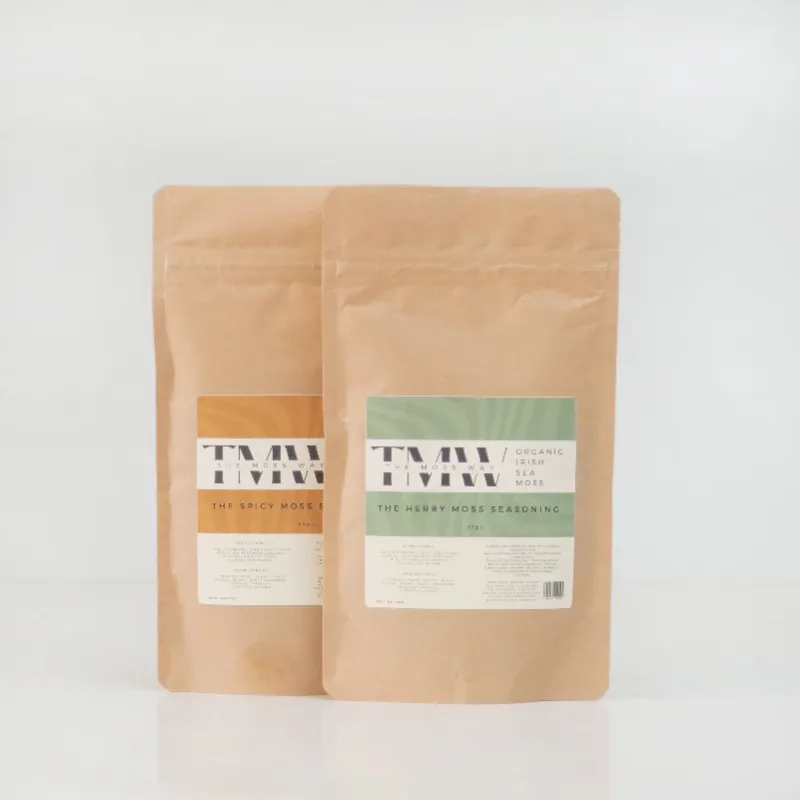
We test products from The Moss Way for purity, sourcing transparency, and actual nutrient content. Their wildcrafted options come from clean Atlantic waters with third-party testing for contaminants.
Look for:
- Harvest location disclosure – Atlantic-harvested sea moss and Pacific seaweed from cold, clean waters
- Processing method – sun-dried or low-temperature drying preserves more nutrients than high-heat methods
- Color and texture – genuine sea moss ranges from gold to purple; avoid anything that looks artificially uniform or smells chemically treated
- Testing certificates – reputable suppliers provide heavy metal and microbial testing results
Check current options and pricing to compare varieties and find the format that fits your routine, whether that's dried whole, pre-made gel, or powder capsules.
The Bottom Line
Both sea moss and seaweed deserve space in a nutrient-focused diet, and neither is universally "better." Sea moss shines for its carrageenan content and use as a whole-food thickener with balanced minerals, while seaweed varieties offer more protein, specific vitamins like B12, and culinary flexibility.
We keep both in our pantry: sea moss gel for quick nutrition boosts in morning smoothies, and a rotation of nori, dulse, and wakame for meals throughout the week. That approach captures the broadest nutrient spectrum while keeping iodine intake reasonable and meals interesting.
Start with whichever fits your immediate goals, source it from clean waters with proper testing, and pay attention to how your body responds. Both are concentrated foods, so a little goes a long way.
Frequently asked questions
Can I take sea moss and seaweed together?
Yes, you can use both in your diet, but monitor your total iodine intake since both are concentrated sources. Rotate varieties and keep portions moderate—1–2 tablespoons of sea moss gel plus a few grams of dried seaweed daily is a reasonable combined amount for most people.
Which has more iodine, sea moss or kelp?
Kelp typically contains significantly more iodine per gram than sea moss, sometimes exceeding the daily recommended limit in a single serving. Sea moss provides iodine in more moderate, consistent amounts, making it easier to use regularly without risking excess.
Does sea moss gel have the same nutrients as raw sea moss?
Sea moss gel retains most minerals from raw sea moss, though some water-soluble nutrients may dilute slightly during soaking and blending. The gel form is more bioavailable and easier to consume consistently, making it a practical choice despite minimal nutrient trade-offs.
Is seaweed better than sea moss for thyroid health?
Both support thyroid function through iodine, but the best choice depends on your current iodine status. Sea moss offers moderate, steady iodine levels suitable for daily use, while kelp and other brown seaweeds provide higher concentrations that may benefit severe deficiency but require careful portion control.
How do I know if my sea moss or seaweed is high quality?
Look for products with disclosed harvest locations, third-party testing for heavy metals, and minimal processing. Quality sea moss ranges from gold to deep purple naturally, has a mild ocean smell, and expands significantly when soaked. Avoid products that look artificially uniform or have chemical odors.
Can I use nori sheets instead of sea moss in smoothies?
Nori works in smoothies but has a stronger seaweed flavor than sea moss gel, which is nearly tasteless. If you want the nutritional benefits without the taste, sea moss gel blends more seamlessly, while nori is better suited for savory applications or as a standalone snack.