
Sencha vs Matcha: Which Green Tea Is Better for Daily Drinking?

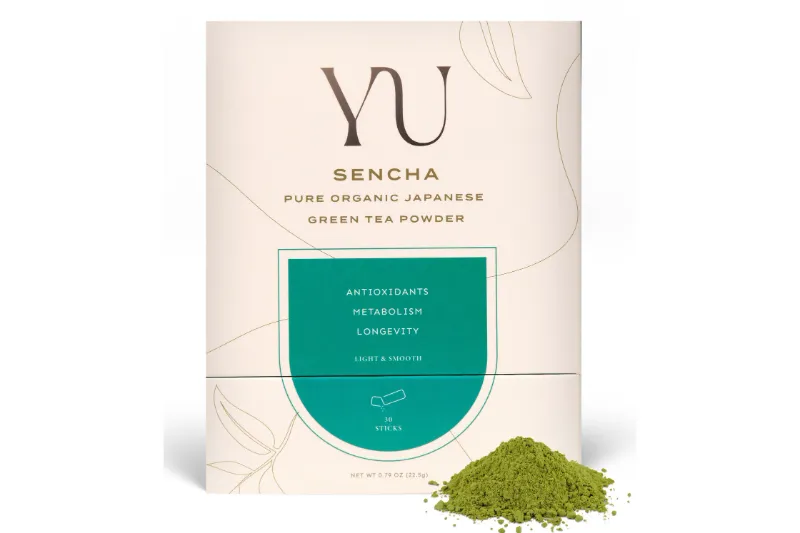
Sencha green tea caffeine levels average 20-30 mg per cup, while matcha delivers 60-80 mg because you consume the whole leaf. Both make excellent daily teas, but your choice depends on how much energy you want, your flavor preference, and how much time you have for preparation.
We tested both varieties from Yu Tea to compare their real-world differences—from caffeine kick to flavor profile to ease of brewing. Here's what we found and which green tea fits your routine best.
Sencha Green Tea Caffeine vs Matcha: The Numbers
The caffeine gap between these two is significant. Sencha tea contains roughly one-third the caffeine of matcha per serving, making it the gentler option for afternoons or anyone sensitive to stimulants.
Sencha caffeine content per 8 oz cup:
- 20-30 mg on average
- Varies with steep time and water temperature
- Closer to black tea's lower range than coffee
Matcha caffeine content per serving:
- 60-80 mg per whisked cup
- Consistent because you ingest the entire ground leaf
- How much caffeine in green tea vs coffee? Coffee has 95+ mg, so matcha sits in the middle
If you want the energy boost without jitters, low caffeine matcha or traditional sencha are both solid picks. For minimal caffeine, decaf green tea removes 97% of the stimulant while keeping the flavor intact.
Taste and Texture: What to Expect
Sencha offers a clean, grassy flavor with a slight astringency and sweet finish. It brews clear and golden, with a refreshing lightness that makes it easy to drink multiple cups. We found Yu Tea's sencha balanced and never bitter when steeped correctly.
Matcha is thick, creamy, and intensely vegetal. The whisked powder creates a frothy texture with umami depth and a hint of natural sweetness. It's richer and more filling than sencha—almost like a meal replacement for some people.
Quick comparison:
| Feature | Sencha | Matcha |
|---|---|---|
| Flavor | Light, grassy, refreshing | Rich, creamy, umami-forward |
| Texture | Clear liquid | Thick, frothy suspension |
| Sweetness | Mild, natural | Earthy-sweet |
| Aftertaste | Clean | Lingering vegetal notes |
If you prefer subtle tea you can sip all day, sencha wins. If you want a bold, ceremonial experience or latte base, matcha is your answer.
Preparation: Which Is Easier for Daily Drinking?
Sencha is straightforward. Heat water to 160-170°F, pour over leaves, steep 1-2 minutes, and strain. You can resteep the same leaves 2-3 times, making it economical. No special tools required—just a teapot or infuser.
Matcha demands more effort. You sift the green tea powder, add hot water (175°F), and whisk vigorously with a bamboo chasen until frothy. It's a ritual that takes practice to perfect and doesn't allow for resteeping since you consume everything in one go.
For busy mornings:
- Sencha: 3 minutes start to finish
- Matcha: 5-7 minutes with proper whisking
If convenience matters, sencha edges ahead. If you enjoy the meditative process, matcha offers a more engaging experience. You can also grab decaffeinated matcha green tea for evening sessions without the late-night buzz.
Sencha Green Tea Benefits vs Matcha Benefits
Both deliver antioxidants, L-theanine for calm focus, and polyphenols that support metabolism and heart health. The difference lies in concentration.
Sencha green tea benefits:
- Moderate antioxidant dose per cup
- Gentle caffeine for sustained energy
- Hydrating and easy on the stomach
- Budget-friendly since you resteep leaves
Matcha benefits:
- 10x the antioxidants of regular green tea because you consume the whole leaf
- Higher EGCG content for metabolism support
- More L-theanine for focused calm without jitters
- Fiber from the ground leaf aids digestion
Research on sencha caffeine content shows that steeping variables matter—hotter water and longer steep times extract more caffeine. Matcha's levels stay consistent regardless of preparation since you ingest the entire powder.
For maximum antioxidants, matcha dominates. For balanced daily intake without overstimulation, sencha is the practical choice.
Who Should Choose Sencha vs Matcha?
Pick sencha if you:
- Want lower caffeine for multiple cups throughout the day
- Prefer light, refreshing flavor over bold intensity
- Value quick, simple preparation
- Are new to green tea and want an approachable entry point
- Need an afternoon tea that won't disrupt sleep
Pick matcha if you:
- Need a morning energy boost comparable to coffee
- Love rich, creamy beverages and lattes
- Want maximum antioxidant concentration per serving
- Enjoy ceremonial preparation rituals
- Are replacing coffee and need sustainable energy
Many tea drinkers keep both on hand. We use sencha tea for everyday sipping and save matcha tea caffeine free or regular matcha for focused work sessions or morning lattes.
Where to Buy and Save
Yu Tea stocks both premium sencha and matcha varieties, plus decaf options if you're watching your caffeine intake. Check the latest pricing and grab our discount code for 10% off your first order sitewide.
If you're experimenting with both, start with smaller quantities. A 50g tin of sencha yields 20-25 cups with resteeping, while 30g of matcha makes roughly 30 servings. Both stay fresh for months in airtight containers away from light and heat.
For caffeine-sensitive households, caffeine free matcha powder and decaf green tea let everyone enjoy green tea benefits without the stimulant. Visit the store with our code to explore the full lineup and find what fits your daily routine.
The Verdict for Daily Drinking
Neither tea is objectively better—it depends on your caffeine tolerance, flavor preference, and lifestyle. Sencha green tea caffeine content makes it ideal for all-day drinking, while matcha's intensity suits those seeking a coffee alternative or maximum antioxidant punch.
We reach for sencha when we want something light and repeatable, and matcha when we need focused energy or a creamy latte. Both deserve a spot in your tea rotation, and with Yu Tea's variety, you can experiment until you find your daily favorite.
Frequently asked questions
How much caffeine is in sencha green tea compared to matcha?
Sencha contains 20-30 mg of caffeine per cup, while matcha has 60-80 mg per serving. Matcha delivers roughly three times the caffeine because you consume the entire ground leaf instead of just steeping and discarding it.
Can I drink sencha or matcha every day?
Yes, both are safe for daily consumption. Sencha's lower caffeine makes it easier to drink multiple cups without overstimulation, while matcha works well as a single morning or midday boost. Listen to your body and adjust based on your caffeine tolerance.
Which green tea is better for weight loss, sencha or matcha?
Matcha has a higher concentration of EGCG and antioxidants that may support metabolism, but sencha still provides these benefits in moderate amounts. Both can fit into a healthy routine; choose based on which you'll drink consistently rather than chasing marginal differences.
Does decaf green tea have the same benefits as regular sencha?
Decaf green tea retains most antioxidants and polyphenols but removes 97% of the caffeine. You'll still get the health benefits without the stimulant, making it a good choice for evenings or caffeine-sensitive individuals.
Is sencha easier to prepare than matcha?
Yes. Sencha requires only hot water and a steep time of 1-2 minutes, while matcha needs sifting, precise water temperature, and whisking to achieve the proper frothy texture. Sencha is more convenient for daily brewing.
Can I use matcha powder in smoothies or lattes?
Absolutely. Matcha blends well into milk, smoothies, and baked goods because it's a fine powder. Sencha is traditionally steeped as a hot tea, though you can cold-brew it for iced tea. Matcha's versatility makes it popular for recipes beyond simple tea.