
How to Brew Sencha Tea: Water Temperature and Steeping Time for Best Flavor

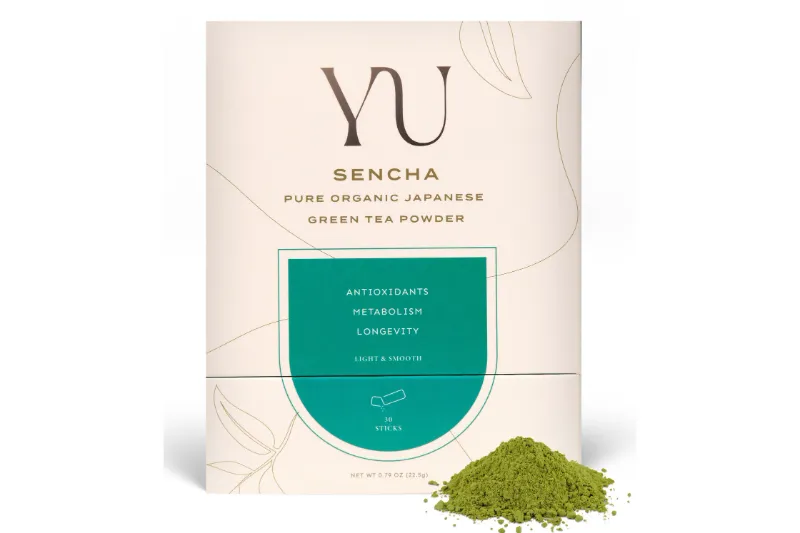
Brewing sencha tea correctly requires water between 160-170°F and a steeping time of 1-2 minutes to unlock its delicate, grassy flavor without bitterness. This Japanese green tea is one of the most popular varieties worldwide, and mastering the brew method transforms an ordinary cup into a vibrant, umami-rich experience. We tested multiple brewing techniques to help you get the best results every time.
Why Water Temperature Matters for Sencha Tea
Water temperature is the single most important variable when brewing sencha tea. Unlike black tea or coffee, sencha leaves are delicate and release bitter tannins when exposed to boiling water.
The ideal range sits between 160°F and 170°F (71-77°C). At this temperature, the amino acids that create sencha's signature sweetness and umami dissolve readily, while harsh compounds remain locked in the leaves. If you do not have a thermometer, bring water to a boil and let it cool for 3-4 minutes before pouring.
Boiling water above 180°F will scorch the leaves and produce a harsh, astringent cup. Conversely, water below 150°F will not extract enough flavor, leaving your tea weak and grassy without the balanced sweetness that defines quality sencha.
Sencha is steamed during processing, which preserves its bright green color and fresh flavor but also makes it more sensitive to heat than pan-fired Chinese green teas.
Steeping Time and Leaf-to-Water Ratio
Steeping time directly controls flavor intensity and balance. For loose-leaf sencha, we recommend:
- First infusion: 1 to 2 minutes
- Second infusion: 30 to 60 seconds
- Third infusion: 2 to 3 minutes
Use approximately 1 teaspoon of loose sencha per 8 ounces of water. High-quality sencha can be infused 2-3 times, with each steep revealing different flavor notes. The first infusion delivers sweetness and umami, the second offers a lighter, more vegetal profile, and the third becomes slightly more astringent.
If you are using sencha tea bags, stick to a single 1-2 minute steep since the smaller leaf particles release flavor faster and do not hold up well for multiple infusions.
Timing matters more than you might expect. Even 30 extra seconds can shift your cup from sweet and smooth to grassy and bitter. Set a timer until you develop an intuitive feel for your preferred strength.
Sencha Tea Benefits and Caffeine Content
Sencha tea benefits extend beyond flavor. This Japanese green tea is rich in catechins, particularly EGCG, which supports metabolism and cardiovascular health. The amino acid L-theanine promotes calm focus, making sencha an excellent alternative to coffee for sustained energy without jitters.
Regarding sencha tea caffeine, an 8-ounce cup typically contains 20-30 mg of caffeine, roughly one-third the amount in coffee. The caffeine content varies based on harvest time, with first-flush spring sencha containing slightly more than later harvests.
If you are sensitive to caffeine, consider decaf green tea as an alternative, or opt for low caffeine matcha which offers a different flavor profile with gentler stimulation. For a completely caffeine-free option, matcha tea caffeine free provides similar earthy notes without any stimulant effect.
Want to save on your next order? Grab our 10% discount code for Yu Tea's full range of premium Japanese greens.
Sencha Tea vs Matcha and Other Green Teas
Understanding sencha tea vs matcha helps you choose the right tea for your taste and brewing style. Sencha is a loose-leaf tea that you steep and strain, while matcha is a green tea powder whisked directly into water, meaning you consume the entire leaf.
Flavor differences:
- Sencha: light, grassy, sweet with umami undertones
- Matcha: rich, creamy, vegetal with a thicker mouthfeel
Caffeine comparison:
- Sencha: 20-30 mg per cup
- Matcha: 60-80 mg per serving (higher because you ingest the whole leaf)
When comparing sencha tea vs green tea in general, sencha is a specific type of Japanese green tea that is steamed rather than pan-fired like Chinese varieties such as dragonwell or gunpowder. The steaming process gives sencha its distinctive bright green color and fresh, marine flavor.
Both sencha and matcha originate from the same Camellia sinensis plant, but cultivation and processing differ significantly. Matcha plants are shade-grown for 20-30 days before harvest, which increases chlorophyll and amino acid content. Check current pricing on both varieties to compare value for your budget.
Brewing Equipment and Tips
You do not need specialized equipment to brew excellent sencha, but a few tools improve consistency:
- Kyusu teapot: A traditional Japanese side-handle pot with a built-in mesh filter, ideal for loose sencha
- Thermometer: Takes the guesswork out of water temperature
- Small cups: Sencha is traditionally served in 2-4 ounce portions to maintain optimal temperature
Pro tips for better flavor:
- Pre-warm your teapot by rinsing it with hot water before adding leaves. This helps maintain stable brewing temperature.
- Use filtered water if your tap water is heavily chlorinated or mineral-rich. Off-flavors in water become amplified in delicate teas like sencha.
- Avoid over-packing the leaves. Sencha needs room to expand and circulate for even extraction.
- Pour in a circular motion when serving to ensure each cup receives the same strength, as tea continues to steep in the pot.
If you are exploring other Japanese tea options, decaffeinated matcha green tea offers convenience for evening brewing, while green tea powder provides versatility for both drinking and culinary applications.
Selecting Quality Sencha and Storage
Quality indicators help you identify sencha tea worth your investment:
- Color: Vibrant, deep green leaves indicate freshness and proper processing
- Aroma: Fresh-cut grass and marine notes suggest high quality
- Origin: Sencha tea from Japan, particularly Shizuoka and Kagoshima prefectures, is prized for superior terroir
- Harvest: First-flush spring sencha (shincha) commands premium prices for its exceptional sweetness
Store your sencha in an airtight, opaque container away from light, heat, and moisture. Oxygen and UV exposure degrade the catechins and volatile compounds that give sencha its characteristic flavor. Properly stored sencha maintains quality for 6-12 months, though we recommend consuming it within 3 months of opening for peak freshness.
For shoppers exploring varieties, sancha tea offers a similar profile, while those seeking consistency may prefer the convenience of standardized tea bags over loose leaf.
Quality sencha is an investment in daily ritual and wellness. Visit our discount page to explore Yu Tea's curated selection with our exclusive offer.
Frequently asked questions
What temperature should I brew sencha tea at?
Brew sencha at 160-170°F (71-77°C) for best results. Water that is too hot will make the tea bitter, while cooler water will not extract enough flavor. Let boiling water cool for 3-4 minutes before pouring.
How long should I steep sencha tea?
Steep sencha for 1-2 minutes on the first infusion. Quality loose-leaf sencha can be re-steeped 2-3 times, with the second infusion taking only 30-60 seconds and the third lasting 2-3 minutes.
How much caffeine is in sencha tea?
An 8-ounce cup of sencha contains 20-30 mg of caffeine, about one-third the amount in coffee. This provides gentle energy without jitters, though caffeine content varies based on harvest timing and growing conditions.
Can I reuse sencha tea leaves for multiple infusions?
Yes, high-quality sencha leaves can be steeped 2-3 times. Each infusion reveals different flavor characteristics, with the first being sweetest and the later steeps becoming more vegetal and astringent.
What is the difference between sencha and matcha?
Sencha is a loose-leaf tea that you steep and strain, while matcha is a powder whisked directly into water. Sencha has a lighter, grassier flavor with 20-30 mg of caffeine per cup, whereas matcha is richer and contains 60-80 mg of caffeine per serving.
How should I store sencha tea to keep it fresh?
Store sencha in an airtight, opaque container away from light, heat, and moisture. Properly stored sencha maintains quality for 6-12 months, but we recommend consuming it within 3 months of opening for the best flavor.