
How Much Caffeine Is in Sencha Green Tea Compared to Matcha?

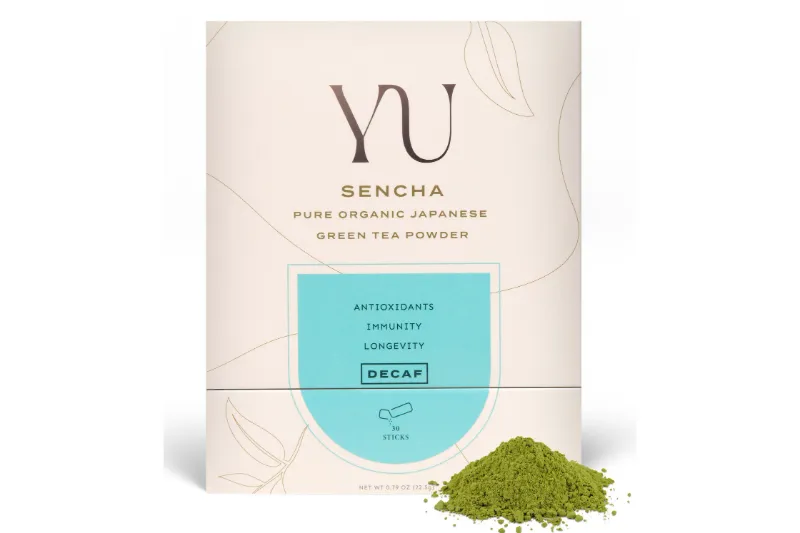
Sencha green tea caffeine typically ranges from 20 to 30 mg per 8-ounce cup, while matcha contains 60 to 80 mg in the same serving size. That makes matcha roughly two to three times stronger in caffeine content, though both deliver far less than the 95 mg you'll find in a standard cup of coffee.
We've tested dozens of green tea varieties at Yu Tea to understand exactly how different processing methods, brewing temperatures, and leaf quality affect caffeine levels. Whether you're comparing sencha tea to matcha or looking for decaf green tea alternatives, the differences matter for your daily routine and energy goals.
Why Sencha Green Tea Caffeine Content Stays Lower
Sencha leaves are steamed, rolled, and brewed as loose leaf tea, which means you steep and discard them. Matcha uses the entire ground leaf whisked into water, so you consume 100% of the caffeine present in the leaf material itself. According to ITO EN, this fundamental preparation difference explains why matcha delivers more caffeine gram for gram.
Beyond preparation, three factors influence the final caffeine level in your cup:
- Steeping time: a three-minute steep extracts less caffeine than five minutes.
- Water temperature: hotter water (175-180°F) pulls more caffeine from the leaves than cooler brews.
- Leaf grade: younger, early-harvest leaves contain slightly more caffeine than mature leaves.
We recommend starting with a two- to three-minute steep if you want a gentler caffeine boost. You can always re-steep sencha leaves for a second, milder cup.
Sencha vs Matcha: Which Gives You Better Energy?
Matcha's higher caffeine content delivers a stronger, longer-lasting energy lift, but sencha offers a smoother, more gradual effect. Both contain L-theanine, an amino acid that promotes calm focus and prevents the jittery spike common with coffee.
Here's how they compare side by side:
| Tea Type | Caffeine per 8 oz | L-Theanine | Preparation |
|---|---|---|---|
| Sencha | 20-30 mg | Moderate | Steeped loose leaf |
| Matcha | 60-80 mg | High | Whisked powder |
| Coffee | 95 mg | None | Brewed grounds |
If you need focused energy for a few hours without overstimulation, sencha tea works well for morning or midday drinking. Matcha suits pre-workout sessions or long work blocks when you need sustained alertness. For detailed brewing techniques, MasterClass offers a complete sencha guide that covers water temperature and timing.
How Much Caffeine in Green Tea vs Coffee
Green tea delivers roughly one-third the caffeine of coffee, making it easier to control your daily intake. An 8-ounce cup of drip coffee contains 95 mg of caffeine, while the same serving of sencha maxes out around 30 mg. That gap lets you enjoy three cups of sencha throughout the day and still consume less caffeine than a single coffee.
We find this especially helpful if you're sensitive to caffeine or trying to reduce afternoon jitters. Switching your second or third coffee to green tea powder or brewed sencha keeps you alert without disrupting sleep. You can check the latest price on Yu Tea's full range of sencha and matcha options with our exclusive discount code.
Sencha Green Tea Benefits Beyond Caffeine
Sencha green tea caffeine content tells only part of the story. The steaming process preserves catechins, particularly EGCG, a powerful antioxidant linked to metabolism support and cardiovascular health. Because sencha skips the oxidation step used in black tea production, it retains more of these beneficial compounds.
Other sencha green tea benefits include:
- Hydration with flavor: unlike coffee, sencha doesn't act as a strong diuretic, so it contributes to your daily fluid intake.
- Vitamins and minerals: sencha provides vitamin C, vitamin E, and trace amounts of potassium and magnesium.
- Lower calorie: plain brewed sencha contains zero calories, making it ideal for weight-conscious routines.
- Versatile brewing: you can cold-brew sencha overnight for an even milder, naturally sweet flavor with minimal caffeine extraction.
For a detailed breakdown of how leaf quality and harvest timing affect both flavor and caffeine, Nio Teas provides expert analysis based on Japanese tea traditions.
Decaf and Low-Caffeine Alternatives
If you love the taste of green tea but want to eliminate or reduce caffeine entirely, Yu Tea offers several options. Decaf green tea uses a CO2 or water process to remove roughly 97% of the caffeine while preserving flavor and antioxidants. You'll end up with 2 to 5 mg per cup, a negligible amount that won't interfere with sleep or sensitivity.
For matcha fans, decaffeinated matcha green tea and matcha tea caffeine free varieties deliver the same earthy, umami-rich profile without the stimulant kick. These work well for evening lattes or baking projects where you want matcha flavor minus the buzz.
Another option is naturally low caffeine matcha, which uses later-harvest leaves or blending techniques to bring caffeine levels closer to sencha's range. This middle ground gives you more energy than decaf but less intensity than traditional ceremonial-grade matcha.
When shopping for decaf or low-caffeine options, grab the code for 10% off sitewide at Yu Tea. We regularly test these products and confirm they maintain the clean, vegetal taste that makes green tea enjoyable in the first place.
Which Tea Should You Choose?
Your ideal choice depends on your caffeine tolerance, daily schedule, and flavor preferences. We recommend sencha if you want a light, refreshing tea that won't keep you wired past bedtime. Matcha suits mornings and pre-workout sessions when you need a stronger, sustained boost.
If you're transitioning from coffee, start with sencha in the afternoon to replace your second or third cup. Its 20 to 30 mg of caffeine provides noticeable alertness without the crash, and the L-theanine content smooths out any rough edges. Once you're comfortable, you can experiment with matcha or mix both into your rotation.
For zero-caffeine days, stock decaf green tea or a caffeine-free matcha option so you never sacrifice flavor for function. Most decaf processing methods preserve the antioxidants and taste profile that make green tea worth drinking in the first place, and you'll still benefit from the ritual of brewing and sipping a warm cup.
Frequently asked questions
How much caffeine is in a cup of sencha compared to matcha?
Sencha contains 20 to 30 mg of caffeine per 8-ounce cup, while matcha has 60 to 80 mg in the same serving. Matcha delivers roughly two to three times more caffeine because you consume the entire ground leaf rather than steeping and discarding it.
Can I drink sencha tea in the evening without losing sleep?
Yes, for most people. Sencha's moderate caffeine level (20-30 mg) is low enough that drinking it three to four hours before bed typically won't interfere with sleep. If you're very sensitive to caffeine, choose decaf green tea instead.
Does sencha green tea have the same benefits as matcha?
Both offer high antioxidant content and L-theanine for calm focus, but matcha provides more concentrated nutrients because you ingest the whole leaf. Sencha still delivers strong health benefits, including catechins and vitamins, at a lower caffeine level.
How do I reduce caffeine when brewing sencha?
Use cooler water (160-170°F instead of 175-180°F) and steep for two minutes rather than three to five. You can also discard the first 30-second steep and brew the leaves again for a second, lower-caffeine cup.
Is decaf green tea as healthy as regular sencha?
Decaf green tea retains most antioxidants and beneficial compounds after processing. You'll get similar health benefits with only 2 to 5 mg of caffeine per cup, making it ideal for evening drinking or caffeine-sensitive individuals.
Which is better for weight loss, sencha or matcha?
Both support metabolism through catechins and EGCG, but matcha's higher concentration may offer a slight edge. Sencha works well if you prefer a gentler option you can drink multiple times per day without excess caffeine.