
How to Match Balayage Hair Extensions to Your Natural Hair Color

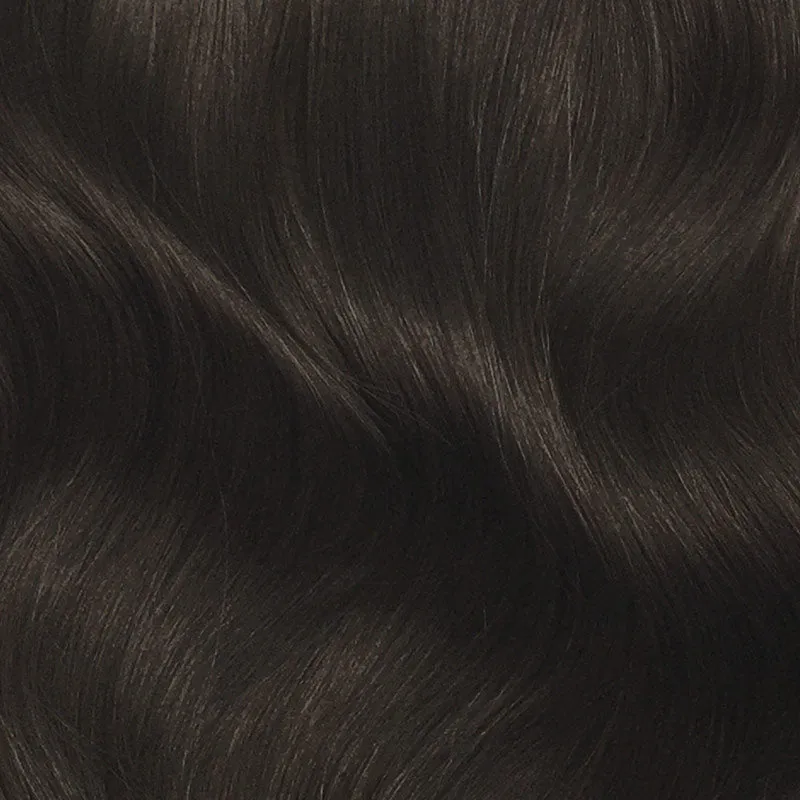
How to Match Balayage Hair Extensions to Your Natural Hair Color
Matching tape in hair extensions to balayage hair starts with identifying your three key color zones: the root shadow, mid-length transition, and lightest ends. Balayage creates a hand-painted gradient that shifts from darker roots to lighter tips, so you need extensions that mirror that progression rather than a single flat shade. We'll show you how to color-match each zone, which extension styles work best for dimensional color, and how to blend seamlessly.
Understanding Your Balayage Color Formula
Before you order extensions, map your balayage in natural daylight. Take a section of hair from mid-length and hold it against a white background. Most balayage includes a dark base (levels 4-6), caramel or honey mid-tones (levels 6-8), and blonde highlights (levels 8-10). If your balayage leans warm with golden or copper tones, you need extensions in the same warm family. Cool balayage with ashy or platinum ends requires cool-toned wefts.
Googoo hair extensions offer multi-tonal options that replicate the hand-painted effect. For warm balayage with rich undertones, burgundy color extensions add depth at the roots, while 613 hair color pieces blend into platinum ends. Layering two or three shades creates the most realistic dimensional match.
Choosing the Right Tape In Hair Extensions for Balayage
Tape in hair extensions sit flat against the scalp and allow you to sandwich natural hair between two adhesive wefts, which makes them ideal for balayage because you can place darker wefts near the roots and lighter wefts at mid-length. Each weft is typically one to two inches wide, so you control exactly where each color sits.
For balayage with thin or fine hair, tape-ins distribute weight evenly without adding bulk at the root. The slim profile keeps your natural hair's movement intact while adding the length and color variation balayage demands. If you prefer flexibility, hair extensions in clip let you swap shades day-to-day, though they are slightly more visible in updos.
| Extension Type | Best For Balayage | Color Layering |
|---|---|---|
| Tape-In | Permanent, flat application | 2-3 shades per install |
| Clip-In | Temporary, flexible styling | Mix shades daily |
| Ponytail | Quick length and volume | Single accent shade |
Layering Multiple Shades for a Seamless Blend
Single-color extensions look flat against balayage. Instead, layer at least two shades. Start with a base shade that matches your darkest natural color at the roots. Apply these wefts in the lower sections where your hair is deepest. Then add a second, lighter shade at the crown and sides where your balayage transitions to mid-tones. Finally, weave in a few face-framing highlights using the lightest shade.
For example, if your balayage moves from dark brown to caramel to blonde, order extension human hair in medium brown, honey blonde, and light blonde. Your stylist or you can place six to eight darker wefts at the nape, four to six caramel wefts at mid-level, and two to four blonde wefts near the face. This mimics how a colorist paints balayage and keeps the gradient flowing naturally. Check the latest pricing and grab our discount code before you order multiple shades.
Tape In Hair Extensions Pros and Cons for Balayage Hair
Pros:
- Flat, invisible bond that sits flush under balayage layers
- Reusable with tape for extensions replacement every 6-8 weeks
- Lightweight for thin hair or fine balayage
- Multi-shade layering replicates hand-painted color
- Long-lasting with proper care and professional reapplication
Cons:
- Requires salon removal or careful at-home technique
- Heat-sensitive adhesive needs sulfate-free, oil-free products
- Visible if placed too high near the part line
- Initial cost higher than clip-ins, though reusable with fresh hair tape
For balayage specifically, the pros outweigh the cons because tape-ins allow precise color placement. Bellami's tape-in collection and Great Lengths adhesive systems are industry benchmarks if you want to compare professional options.
Matching Specialty Balayage Colors
If your balayage includes vivid tones like rose gold, burgundy, or violet, you need extensions that carry those accent shades. Burgundy hair extensions work beautifully for fall balayage with deep red lowlights, while purple hair extensions blend into cool-toned balayage with lilac or mauve ends. Apply these as face-framing pieces rather than all-over coverage to keep the effect subtle and dimensional.
For balayage on darker or Black hair, look for tape in extensions for black hair that include level 2-4 base shades with caramel or auburn highlights. Many balayage formulas on textured hair use warm copper or honey to lift without going fully blonde, so extensions in chestnut, auburn, or burgundy red hair tones integrate seamlessly.
Maintaining Color Match Over Time
Balayage fades lighter at the ends, and so do extensions. To keep them matched, use purple shampoo on both your natural hair and blonde wefts every other wash to neutralize brassiness. For warm balayage, a color-depositing conditioner in copper or golden blonde refreshes mid-tones without a salon visit.
Store your tape in hair extensions on a hanger or in a silk bag when not wearing them. Avoid chlorine, saltwater, and direct heat above 300°F, which can shift the color or weaken the adhesive. When it's time to move up your wefts, replace the tape for extensions and have your stylist re-tone both your natural balayage and the extension hair together so they age in sync.
If you are adding a human hair ponytail to balayage, choose a shade that matches your lightest ends. Ponytails sit high, so they catch the same light as your balayage highlights and should blend with the top layers rather than the root color.
Where to Buy and How to Save
We recommend ordering googoo hair extensions for balayage because they offer rooted and ombré options that mirror professional color techniques. A typical tape-in install for balayage uses 20 to 40 wefts depending on your hair density and the number of shades you are layering. Visit our GOO GOO Hair discount page to save 20% on orders over $30 and stock up on multiple shades.
Amplify Hair's tape-row system is another professional option worth exploring if you want to compare reusable tape technology and color ranges before committing.
Balayage extensions transform flat color into a living, moving gradient. By layering shades, placing wefts strategically, and maintaining both your natural and extension hair together, you achieve a seamless, salon-quality look that grows out gracefully and turns heads every time you move.
Frequently asked questions
How many shades of tape in hair extensions do I need for balayage?
Most balayage looks require two to three shades layered from dark roots to light ends. Order a base shade matching your darkest natural color, a mid-tone for the transition zone, and a highlight shade for face-framing pieces.
Can I use tape in extensions if my balayage hair is thin or fine?
Yes. Tape-ins are one of the best options for thin hair because they lie flat and distribute weight evenly without adding bulk at the root. Choose fewer, strategically placed wefts to avoid overwhelming fine hair.
Do I need to visit a salon for tape in hair extensions, or can I apply them at home?
While some people apply tape-ins at home, a salon ensures proper placement, especially for balayage color matching. A stylist can layer multiple shades and position wefts to mirror your hand-painted color gradient.
How do I keep my extensions matched to balayage as my natural color fades?
Use the same toning shampoo and conditioner on both your natural hair and extensions. Purple shampoo neutralizes brass in blonde sections, and color-depositing treatments refresh warm tones so everything fades together.
What is the difference between tape in extensions and clip in extensions for balayage?
Tape-ins stay in place for six to eight weeks and allow precise, permanent color layering. Clip-ins are removable daily, offering flexibility but requiring reapplication each time and slightly more visible seams in updos.
Can I reuse tape in hair extensions after removal?
Yes. Remove the old adhesive, clean the wefts, apply fresh extension tape, and have them reinstalled. Quality human hair tape-ins last three to six months with proper care and regular tape replacement.