

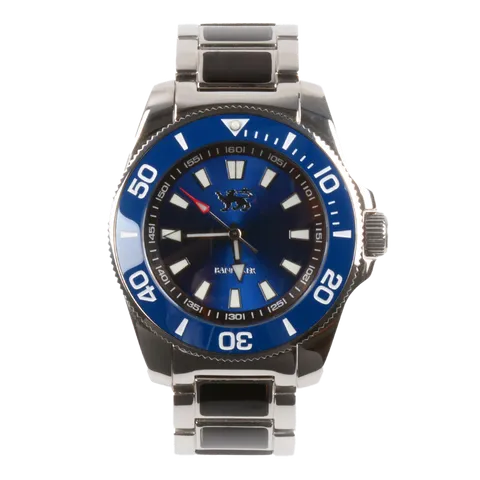
Benjamin Banneker watches take their name from a self-taught Black astronomer, almanac author, and clockmaker whose reputation rests on precision built with his own hands, and the brand leans on that heritage rather than inventing a European backstory. If you have seen the name on a dial and wondered who it refers to, the short answer is that it honors a real 18th-century American thinker who fixed the capital's layout and published almanacs accurate enough to be trusted by farmers. Below, we explain the history, then walk through how the collection actually fits: sizing, movements, straps, care, and what happens after you buy.
Who was Benjamin Banneker, and why is a watch brand named after him?
Benjamin Banneker was a free Black farmer, mathematician, and astronomer born in 1731 in Maryland who taught himself astronomy and built a working wooden clock after studying a pocket watch borrowed from a friend. That clock reportedly kept accurate time for decades, which is the origin story a watch brand would kill for. He went on to publish almanacs containing his own astronomical calculations, corresponded with Thomas Jefferson about race and intellectual ability, and served on the survey team that laid out the boundaries of what became Washington, D.C.
For a watchmaker, the appeal is obvious and not a marketing invention:
- He worked at the intersection of timekeeping, geometry, and precision.
- His credentials were earned through self-study, not inherited title.
- He was a genuinely notable American clockmaker at a time when very few people could service a movement, let alone build one.
That is the brand background and history in a nutshell. The designs lean toward classic, legible dials and substantial cases rather than fashion-watch gimmicks, which suits a heritage story better than a flashy one.
What does the collection actually look like?
The lineup is smaller than the big mall brands, which is a good thing when you are shopping by name. Three pieces cover most of what shoppers search for:
| Model | Character | Best for |
|---|---|---|
| Bennisson watch | Dressed-up everyday piece | Office wear, first investment watch |
| Benjamin Banneker watches | Heritage-styled core collection | Anyone drawn to the story |
| 48mm watch | Large, bold case | Big wrists, statement wear |
The bennisson watch is the easy recommendation for a first purchase because it fits the widest range of occasions. The 48mm watch is the piece to consider only if you know you like a large case, and we get into that below.
Worth noting: the brand also sells clocks, and the clock styles for the home follow the same classical cues. If you want a desk or wall piece matched to your wristwatch, check the latest price on the store page before you decide.
How do you get the sizing right, especially the 48mm watch?
Measure your wrist first, then match it to case diameter, because a 48mm case is a genuinely large watch and it will not suit every arm. Wrap a soft tape or a strip of paper around your wrist just below the wrist bone, note the circumference, and use it as a filter.
- Under 6.5 inches (small to medium): stay in the 38mm to 42mm range. A 48mm case will overhang the top of your wrist.
- 6.5 to 7.5 inches (medium to large): most cases will sit well, including the Bennisson.
- Over 7.5 inches (large): the 48mm watch is genuinely in its element here, and large case sizes finally look proportionate rather than borrowed.
A quick reality check that beats any chart: the lugs should not extend past the edges of your wrist when you look straight down at your arm. If they do, size down. Our watch sizing and fit guide rule of thumb is that you want 5 to 15mm of strap visible on each side between the lug and the edge of your wrist.
Also think about thickness. A large case plus a thick strap can make a watch wear bigger than the number suggests, so try it on with the strap you intend to use.
Mechanical versus quartz: which movement is in these watches?
Mechanical and quartz movements suit different owners, and the honest answer is that most people buying a heritage-styled watch are better served by quartz unless they want the ritual. Quartz movements are battery-powered, accurate to within a few seconds a month, and need almost no attention beyond a battery change every couple of years. Mechanical movements run off a wound mainspring, need regular winding or wear to stay powered, and typically gain or lose several seconds a day, but they carry the craftsmanship story that a Banneker-named watch is leaning into.
Ask before you buy:
- Which movement is in the specific model you are looking at.
- Whether it is automatic (self-winding) or hand-wound, if mechanical.
- What the stated water resistance is if you swim or shower in it.
Do not assume a spec from a photo. Confirm the movement and water resistance on the product page for the exact model, since these vary by piece.
What straps and bands work best?
Strap and band choices change a watch more than almost anything else, and swapping is cheap. The Bennisson reads dressier on leather and casual on a woven or rubber strap, so one watch can cover both.
- Leather: the default for a heritage dial. Goes with tailoring, suits, and smart-casual.
- Steel bracelet: the most durable everyday option and the easiest to clean.
- Nylon or woven: casual, breathable, and forgiving in summer heat.
- Rubber or silicone: best if you sweat, swim, or work with your hands.
Match the lug width exactly when ordering a replacement strap. Measure the gap between the lugs in millimeters and buy that number, not the case diameter.
Care, maintenance, and what the warranty covers
Basic watch care and maintenance prevents most problems, and none of it is complicated. Wipe the case and crystal with a soft cloth, rinse a steel bracelet occasionally in warm water, and keep leather straps away from prolonged water and direct sun. Have the battery and gasket checked at the same time so the seal is not compromised, and avoid wearing a mechanical watch during high-impact activity.
When something goes wrong, read the warranty and repair coverage terms for your specific model before you assume it is covered. Warranties typically cover manufacturing defects in the movement and finish, and typically exclude water damage, accidental impact, and normal strap wear. Keep the order confirmation and packaging, since most claims ask for proof of purchase.
Before you buy, decide what you want from shipping and delivery options and from returns and exchanges. Confirm the delivery window, whether a signature is required, and the return period and condition requirements. If you are buying as a gift, check the return window against the date you plan to give it, not the date you ordered.
Where to buy and how to check a discount code
Buy from the official store rather than a marketplace listing, so the warranty and returns process actually apply to you. Before you check out, grab the code from our coupon page, where the current offer is 10% off all orders.
How to check a discount code properly:
- Copy the code exactly, without extra spaces, and paste rather than type it.
- Enter it in the promo field at checkout and apply it before paying.
- Confirm the discount line appears in your order summary, then screenshot the total.
- If it fails, check exclusions, expiry, and whether sale items are eligible, then check the full offer details in case terms have changed.
Never trust a code from a random comment thread. Prices and eligible models move, so treat our store page as the source of truth and confirm the final total before you submit payment.
Who is this brand actually for?
Benjamin Banneker watches suit someone who wants an affordable heritage piece with a defensible story, who prefers a legible classic dial to a fashion-watch trend, and who wants a modest collection rather than a drawer full of impulse buys. If you want a small, wearable first watch, start with the bennisson watch. If you want the bold case and you have the wrist for it, the 48mm watch is the pick. If the history is the reason you are here, the core benjamin banneker watches lineup is where that story lives. Whichever you choose, read the specs for that exact model, verify the movement, and confirm the discount before you pay.
 Shopping at Benjamin Banneker Watches And Clocks? See today's verified Benjamin Banneker Watches And Clocks discount code
Frequently asked questions
Are benjamin banneker watches named after a real person?
Yes. The brand is named for Benjamin Banneker, a self-taught Black astronomer, almanac author, and clockmaker born in Maryland in 1731. He built a wooden striking clock after studying a pocket watch and later published his own astronomical calculations.
How big is the 48mm watch on a smaller wrist?
A 48mm case is a large watch, and on wrists under about 6.5 inches the lugs will usually extend past the edges of your arm. Measure your wrist circumference and check the lug-to-lug spec before ordering that size.
Do these watches use mechanical or quartz movements?
It depends on the model, so confirm the movement on the product page for the exact piece you are buying rather than assuming. Quartz is more accurate and lower maintenance, while mechanical carries the traditional craftsmanship story.
Can I change the strap on my watch?
Yes, most models use standard spring bars, so you can swap between leather, steel, woven, and rubber straps. Order the replacement in the exact lug width, which you measure as the gap between the lugs in millimeters.
How do I check whether a discount code actually works?
Paste the code into the promo field at checkout and confirm the discount line appears in your order summary before you pay. If it is rejected, re-check spelling, exclusions, and expiry, then review the current offer on our store page.
Does the warranty cover water damage?
Most watch warranties cover manufacturing defects in the movement and finish but exclude water damage, accidental impact, and normal strap wear. Read the coverage terms for your specific model and keep your order confirmation.