
How to Add a Seat to Your Stand Up Paddle Board: Installation and Compatibility Guide

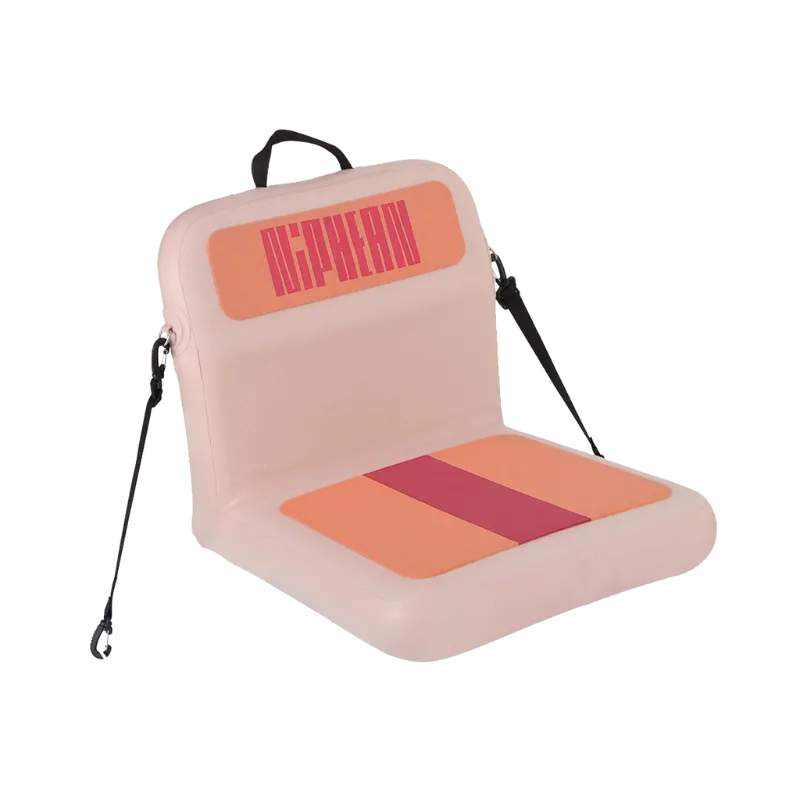
How to Add a Seat to Your Stand Up Paddle Board: Installation and Compatibility Guide
Adding a stand up paddle board seat transforms your SUP into a versatile sit-down watercraft for fishing, touring, or simply resting between paddles. Most inflatable and rigid boards accept aftermarket seats through D-ring attachment points or adjustable strap systems, and installation typically takes under five minutes once you understand your board's mounting options.
We tested seat installations across multiple board types—from entry-level inflatables to touring models—to show you exactly how attachment works, which compatibility factors matter, and how to secure a seat safely for different paddling conditions.
Check Your Board for D-Ring Attachment Points
The simplest installation method relies on built-in D-rings, which are metal or reinforced plastic loops bonded to your board's deck. Most niphean inflatable paddle board models and mid-range SUPs include four to six D-rings arranged in a rectangular pattern near the center of the deck, specifically designed for cargo nets, coolers, and seats.
To verify D-ring compatibility:
- Look for at least four D-rings positioned 18 to 24 inches apart in a square or rectangle
- Confirm each ring sits flush and feels secure when you tug it (loose rings need re-gluing before attaching a seat)
- Measure the distance between front and rear rings to match your seat's strap span
If your board lacks D-rings, you can bond adhesive-backed rings using marine-grade PVC glue on inflatables or epoxy on hard boards. We recommend spacing them 20 inches apart for a standard adult paddle board seat, which provides stability without interfering with your paddling stance when the seat is removed.
Install a Strap-Based Seat in Three Steps
A sup seat with adjustable straps offers the most universal fit because it wraps around boards with or without D-rings. These seats use nylon webbing and quick-release buckles to cinch tightly against the deck.
Installation process:
- Position the seat – Center the padded seat on your board's mid-section, roughly where you would stand. Most paddlers place it 6 to 12 inches behind the carry handle for balance.
- Thread the straps – If you have D-rings, loop each strap through a ring and back to the buckle. For boards without rings, wrap the straps fully around the width and length of the board so they cross underneath.
- Tighten and test – Pull each strap snug, click the buckles closed, then press down on the seat with your full weight on land to confirm it does not slide.
For inflatable boards, always install the seat after inflating to full pressure (typically 12 to 15 PSI). Straps compress slightly as the board flexes on water, so check tension again after your first ten minutes of paddling.
Paddle Board Seat Compatibility: What Fits Your SUP
Not every seat works with every board shape. Compatibility depends on deck width, rail design, and whether your SUP is inflatable or rigid.
| Board Type | Best Seat Style | Key Consideration |
|---|---|---|
| Inflatable all-around (10' to 11') | Strap or D-ring seat | Wide deck (30"+ width) accepts most seats |
| Rigid touring / fishing SUP | D-ring mounted seat | Pre-installed D-rings; verify spacing |
| Narrow race or yoga board (<29" width) | Minimalist strap seat | Limited space; low-profile seat required |
Width matters most: A beginner stand up paddle board typically measures 30 to 34 inches wide, which accommodates a full-size padded seat. Narrower performance boards under 29 inches may only fit compact seats designed for kayak-style paddling, and even then the seat may overhang the rails slightly.
Inflatable vs. rigid: Inflatable boards flex more than hard shells, so seats with elastic bungee straps or stretchy webbing stay secure better than rigid clamp systems. Rigid boards tolerate bolt-through seat mounts if you are willing to drill, though most paddlers prefer non-invasive strap or D-ring attachment to preserve resale value.
If you are shopping for a new board and plan to use a seat often, look for a model labeled "convertible SUP" or "fishing SUP," which ships with D-rings already positioned for seat and cooler attachment. Check the latest price on Niphean's fishing-ready boards that include reinforced D-ring layouts.
Choose Between a Kayak Seat and a SUP-Specific Seat
You will find two seat categories: kayak seats adapted for paddle boards and purpose-built SUP seats. Both work, but they differ in height, back support, and attachment design.
Kayak seat for paddle board – Originally made for sit-on-top kayaks, these seats feature tall backrests (12 to 16 inches high) and thick foam padding. They attach via four-point straps or clips. The higher backrest offers excellent lumbar support for long tours or fishing sessions, but the extra height raises your center of gravity, which can make the board feel tippy in chop. We recommend kayak-style seats for wide boards (32 inches or wider) or calm lakes where stability is less critical.
SUP-specific seat – Designed lower to the deck (8 to 10 inches of backrest), a stand up paddle board seat keeps your weight centered and maintains better balance. Many models fold flat or detach completely in seconds, letting you switch between sitting and standing mid-paddle. If you plan to alternate between paddling modes, a compact inflatable paddle board seat with quick-release straps is the most versatile choice.
For paddlers who also inflate their boards, pairing your seat with an inflatable paddle board electric pump speeds up your pre-launch routine so you spend less time rigging and more time on the water.
Paddle Board Seat Installation Without D-Rings
If your board has no D-rings and you prefer not to glue them on, a wraparound strap seat is your only tool-free option. These seats use extra-long straps (6 to 8 feet per strap) that loop entirely under the board and cinch on top.
Installation tips for no-D-ring boards:
- Cross the straps in an X pattern underneath the board to prevent side-to-side shifting
- Leave a 1-inch gap between the strap and the rail edge so water can drain and air can circulate under an inflatable board
- Re-tighten straps after 10 minutes of use, as nylon webbing stretches slightly when wet
Some paddlers worry that straps underneath will create drag. In our on-water tests, a properly tensioned strap added negligible resistance at recreational speeds (under 4 mph), and the convenience of tool-free attachment outweighed any minor efficiency loss.
For boards with unusual shapes—such as a 10 6 sup board with a pulled-in tail—measure your deck length before buying a seat to confirm the straps are long enough to wrap completely around the longest axis.
Adjust Seat Position for Balance and Control
Seat placement changes how your board handles. Too far forward, the nose dives; too far back, the tail drags.
Finding the sweet spot:
- Start by centering the seat over the board's carry handle or manufacturer's logo, which usually marks the balance point
- Sit down and paddle a few strokes; if the nose lifts out of the water, slide the seat 2 to 3 inches forward
- If the board feels sluggish or the tail sits low, move the seat toward the tail
Wind and current also shift the ideal position. On windy days, sitting slightly forward helps the nose cut through gusts, while downstream paddling benefits from a rear-biased seat that lifts the nose for better glide.
When you are not using the seat, detach it completely rather than sliding it to the nose or tail. A bunched-up seat creates wind resistance and snags your paddle stroke. Most seats roll into a compact bundle that fits in a deck bungee or dry bag.
Grab the code for $15 off Niphean seats and accessories to outfit your SUP for sit-down paddling.
Care and Storage Tips for Long Seat Life
A quality SUP seat lasts multiple seasons with minimal care, but salt, sun, and mildew will degrade foam and straps if you skip basic maintenance.
After each paddle:
- Rinse the seat and all straps with fresh water, even after lake use (algae and minerals cause stiffness)
- Squeeze excess water from foam padding and hang the seat in open air to dry
- Inspect buckles for sand or debris that could prevent the release mechanism from clicking
Off-season storage:
- Store the seat indoors or in a shaded shed; UV breaks down nylon and foam faster than any other factor
- Keep straps loosely coiled rather than tightly wound, which prevents permanent creasing
- If your seat is inflatable, leave it partially inflated to avoid fold lines that weaken seams
Seats with removable covers can be machine-washed on a gentle cycle, though air-drying is always safer than a hot dryer. Replace any strap showing fraying or a buckle that no longer locks positively; a failed buckle mid-paddle dumps you into the water.
For a complete SUP setup, consider pairing your seat with a pelican paddle board paddle that adjusts for seated or standing paddling heights, giving you flexibility to switch styles without carrying two paddles.
Why a Seat Expands Your SUP's Usefulness
We added seats to our test boards primarily for fishing and photography, but the biggest surprise was how much more accessible paddle boarding became for friends with knee or balance concerns. A stable seat turns a beginner stand up paddle board into a confidence-building platform that lets new paddlers enjoy the water without the intimidation of standing.
Ergonomic seat design has improved significantly in recent years, with brands like Paddlesit leading innovations in lightweight, posture-friendly seats that reduce lower-back fatigue on long paddles. Whether you are retrofitting an existing board or choosing your first inflatable SUP, seat compatibility should factor into your decision if you envision any sit-down use—from casting a line to simply cruising with less effort.
For current pricing and exclusive discounts on seats and inflatable boards, visit our Niphean discount code page where we track the latest deals and verify every code before posting.
Frequently asked questions
Can I install a stand up paddle board seat on any SUP?
Most boards accept a seat through D-ring attachment points or wraparound straps. If your board lacks D-rings, choose a seat with long adjustable straps that loop entirely under the board and cinch on the deck.
Do I need special tools to attach a paddle board seat?
No tools are required for strap-based or D-ring seats. Installation takes under five minutes and uses quick-release buckles or carabiner clips that you tighten by hand.
Will a kayak seat work on an inflatable paddle board?
Yes, kayak seats fit inflatable SUPs, but their taller backrests raise your center of gravity and reduce stability. A low-profile SUP-specific seat keeps you balanced and is easier to store when not in use.
How do I stop my seat from sliding during paddling?
Tighten all straps until the seat does not move when you press down hard, and cross straps underneath the board in an X pattern. Re-check tension after ten minutes on the water, as wet straps can stretch slightly.
Where should I position my seat for the best balance?
Start by centering the seat over your board's carry handle or logo. If the nose lifts while seated, slide the seat forward a few inches; if the tail drags, move it slightly back.
Can I leave my seat attached when I store my paddle board?
You can, but detaching the seat prevents UV damage to straps and buckles and makes the board easier to roll or stack. Most seats fold into a small bundle that stores separately in under a minute.