
Best Paddle Length for a 10'6" SUP Board

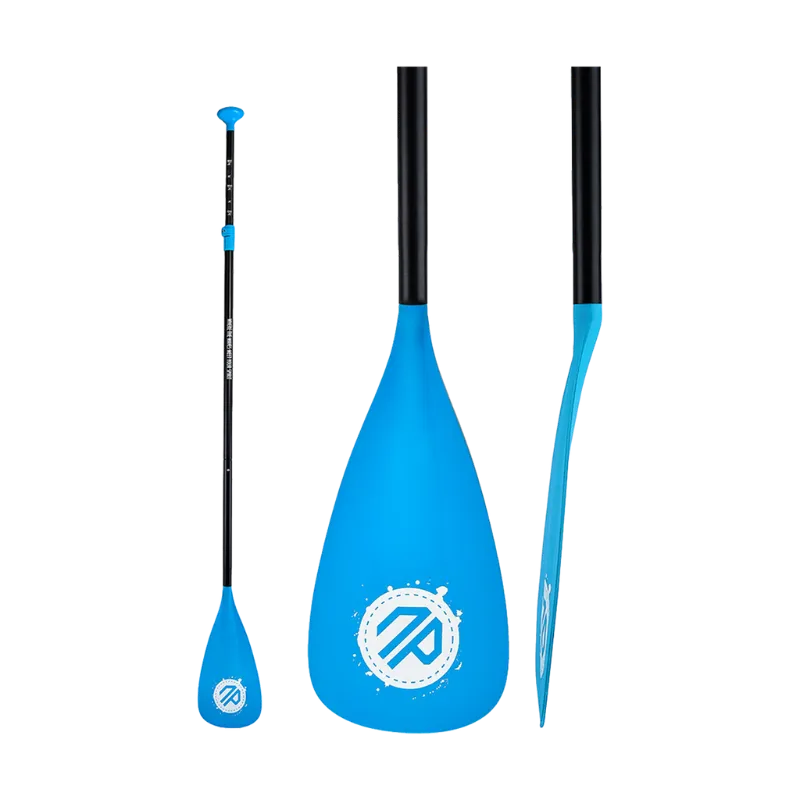
Best Paddle Length for a 10'6" SUP Board
The ideal pelican paddle board paddle length for a 10 6 sup board is typically 8 to 10 inches taller than the paddler, though your exact height, paddling style, and experience level all factor into the formula. We tested multiple paddle configurations on 10'6" boards to help you dial in the right fit and avoid the fatigue that comes from paddles that are too short or too long.
A 10'6" board sits in the sweet spot for recreational paddling, offering enough length for tracking and speed while staying maneuverable for beginners. Whether you own a niphean inflatable paddle board or a rigid model, paddle length directly impacts your stroke mechanics, comfort, and how quickly you tire.
How to Measure Your Ideal Paddle Length
Start by standing upright and extending one arm straight overhead. Measure from the ground to your wrist, then add 8 to 10 inches. For a 5'10" paddler, that puts you in the 79- to 81-inch range. Taller paddlers approaching 6'3" typically land around 85 to 87 inches.
The "8 to 10 inches over your height" guideline holds for most recreational and touring on a beginner stand up paddle board, but you can fine-tune from there:
- Recreational cruising: add 10 inches for a more upright, relaxed posture
- Fitness or racing: add 8 inches for a lower, more forward stroke angle
- Surfing or river: subtract 2 to 4 inches for quicker turns and a lower center of gravity
If you share your board with family or switch between kneeling (common with a paddle board seat installed) and standing, an adjustable paddle saves you from buying multiples.
Adjustable vs Fixed-Length Paddles
Adjustable paddles telescope in 2- to 4-inch increments and lock with a clamp or pin. They suit households with multiple paddlers, beginners still dialing in their preference, and anyone who alternates between standing and using a stand up paddle board seat. The trade-off is slightly more weight and a less rigid shaft compared to a one-piece fixed paddle.
Fixed-length paddles maximize stiffness and reduce swing weight, which translates to crisper strokes and less flex on the catch. Experienced paddlers and those focused on speed or distance often prefer them. If you know your exact length and paddle solo, a fixed pelican paddle board paddle delivers better energy transfer.
| Paddle Type | Best For | Weight | Adjustability |
|---|---|---|---|
| Adjustable | Families, beginners, seated paddling | Heavier | 6–12 inch range |
| Fixed | Solo paddlers, fitness, racing | Lighter | None |
Pelican Sport offers both styles, and many retailers bundle adjustable paddles with entry-level boards like the Pelican Flow 106.
Blade Size and Shape for 10'6" Boards
Blade area and shape influence how much resistance you pull through the water. Smaller blades (under 90 square inches) suit lighter paddlers, longer outings, and beginners building endurance. Larger blades deliver more power per stroke but demand greater upper-body strength.
For a 10'6" all-around board, a mid-size blade between 85 and 95 square inches balances efficiency and forgiveness. Teardrop shapes offer a smooth catch and release, while rectangular designs provide a more aggressive bite for fitness paddling.
If you plan to use an inflatable paddle board seat for fishing or leisure, a smaller blade lets you paddle from a seated position without overworking your shoulders. Pairing the right blade with an inflatable paddle board electric pump rounds out a hassle-free setup for quick launch days.
Material Choices: Aluminum, Fiberglass, and Carbon
Aluminum shafts dominate budget and rental paddles. They are durable and require zero maintenance, but they conduct cold in cooler water and add noticeable swing weight. Expect aluminum paddles in the 28- to 32-ounce range.
Fiberglass splits the difference, shaving 4 to 6 ounces while adding moderate stiffness. The lighter swing reduces shoulder fatigue over longer sessions, making fiberglass a smart upgrade for anyone paddling more than an hour at a time.
Carbon-fiber paddles weigh as little as 16 ounces and deliver maximum stiffness, translating every ounce of effort into forward drive. The cost jumps significantly, but serious paddlers notice the difference within the first few strokes. If you are logging miles on your sup seat setup or training for events, carbon pays off in reduced fatigue.
Common Sizing Mistakes to Avoid
Too-short paddles force you to hunch and bend at the waist, loading your lower back and limiting reach. You will also find yourself taking shorter, choppier strokes that waste energy. Too-long paddles raise your hands awkwardly high and can cause the blade to dive too deep, creating drag and throwing off your balance.
Another frequent error is ignoring the board's thickness. Inflatable SUPs often measure 5 to 6 inches thick (versus 4 inches for many rigid boards), so your effective deck height increases. Add an extra inch to your paddle length if you are on a high-volume inflatable.
Finally, do not guess. Test your setup in calm water before committing to a fixed length. Rent or borrow an adjustable paddle, try lengths in 2-inch increments, and note which feels most natural after 15 minutes of continuous paddling. Check current pricing and grab our exclusive code for Niphean gear to save on your final setup.
Who Should Consider a Longer or Shorter Paddle
Taller paddlers naturally need longer shafts, but paddling style matters just as much as height. If you prefer a high-angle stroke (blade entering close to the board rail, arm nearly vertical), size up by an inch or two for better reach and a cleaner catch.
Shorter paddles suit low-angle touring strokes, where the blade enters farther from the rail and the top hand stays below shoulder height. This style is gentler on shoulders during all-day paddles and pairs well with wider, stable boards.
Kids and smaller adults under 5'4" should look for paddles that adjust down to 68 to 72 inches. Many full-size adjustable paddles bottom out around 74 inches, which still leaves shorter paddlers over-reaching. Purpose-built youth or compact paddles solve that gap.
If you are outfitting multiple boards or accessories like a stand up paddle board seat, consolidating your order can maximize savings. Visit our discount page for the latest offers on complete paddle and board packages.
Frequently asked questions
What length paddle do I need for a 10'6" SUP board?
Most paddlers need a paddle 8 to 10 inches taller than their own height when using a 10'6" board. Measure from the ground to your wrist with your arm extended overhead, then add 8 to 10 inches for recreational paddling or 6 to 8 inches for a more aggressive stroke.
Should I buy an adjustable or fixed-length pelican paddle board paddle?
Adjustable paddles work best for families, beginners, or anyone who switches between standing and seated paddling. Fixed-length paddles are lighter and stiffer, making them ideal for experienced solo paddlers focused on performance.
Does board thickness affect paddle length?
Yes. Inflatable SUPs are often 5 to 6 inches thick compared to 4 inches for rigid boards, raising your deck height by 1 to 2 inches. Add an extra inch to your paddle length if you are on a high-volume inflatable to maintain proper stroke mechanics.
Can I use the same paddle for standing and seated paddling?
You can, but you will need to shorten the paddle by 6 to 10 inches when seated. An adjustable paddle makes this transition easy, letting you switch between standing and using a paddle board seat without needing separate paddles.
What paddle material is best for beginners?
Aluminum is durable and affordable, making it a solid choice for beginners. Fiberglass offers a noticeable weight reduction and less fatigue for longer sessions, while carbon fiber is the lightest and stiffest but costs significantly more.
How do I know if my paddle is too long or too short?
If you are hunching or bending at the waist, your paddle is too short. If your top hand rises above your head or the blade dives too deep, it is too long. The correct length lets you paddle with a nearly straight lower arm and your top hand at eye to forehead height.