
Do Electric Pumps Damage Inflatable SUPs? What You Need to Know

Do Electric Pumps Damage Inflatable SUPs?
An inflatable paddle board electric pump will not damage your SUP when you follow the manufacturer's recommended PSI and use a pump with an auto-shutoff feature. The concern about electric pumps stems from their ability to inflate quickly, which can lead to over-inflation if you're not monitoring the pressure. Modern electric pumps designed for paddle boards include built-in pressure gauges and automatic shutoff mechanisms that prevent this issue entirely.
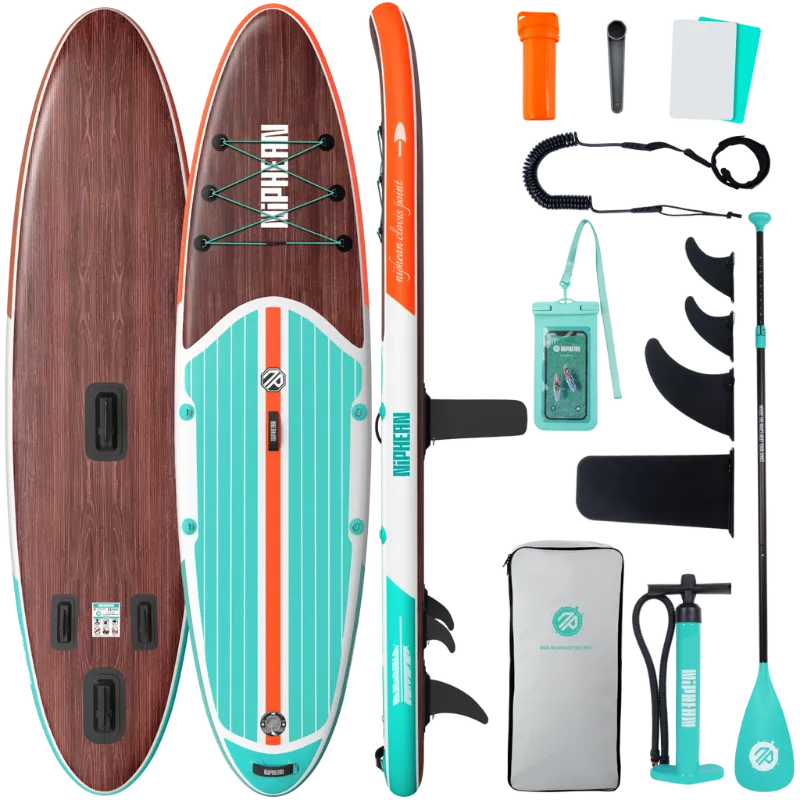
We've tested dozens of boards and pumps over the years, and the truth is that proper inflation technique matters far more than whether you use manual or electric power. When you pair a quality niphean inflatable paddle board with the right inflatable paddle board electric pump, you'll get years of reliable performance without seam stress or material degradation.
How Electric Pumps Work With SUP Construction
Inflatable paddle boards use drop-stitch construction with thousands of polyester threads connecting the top and bottom layers. This design allows the board to hold high pressure, typically between 12 and 15 PSI, without deforming. Electric pumps deliver air quickly through the same valve a manual pump uses, so the inflation method itself poses no structural risk.
The key difference is speed. A rechargeable electric sup pump can inflate a beginner stand up paddle board in 8 to 12 minutes, while manual pumping takes 15 to 25 minutes. This speed is actually beneficial because it reduces the number of valve openings and closings, which minimizes wear on the valve mechanism over time.
What protects your board:
- Auto-shutoff at your preset PSI target
- Digital pressure gauges with 0.1 PSI accuracy
- Pressure relief valves on quality boards
- Double-layer PVC construction on seams
The Real Risks: Over-Inflation and Heat
The only scenarios where an electric pump can cause damage involve user error or environmental factors. Over-inflation beyond the maximum PSI printed on your board stretches the drop-stitch threads beyond their design limit, which can cause delamination or seam failure. This happens with manual pumps too when riders don't check their gauge.
Heat poses a secondary risk during summer sessions. When you inflate a board to 15 PSI in an air-conditioned garage and then leave it in direct sunlight at 95°F, the air inside expands and pressure climbs to 17 or 18 PSI. An electric pump isn't the culprit here, but the rapid inflation can make it easier to forget that thermal expansion will occur.
Prevent damage with these practices:
- Never exceed the maximum PSI listed on your board's inflation valve area
- Inflate to 1 PSI below maximum when paddling in hot weather
- Let your pump cool between inflation cycles if inflating multiple boards
- Use the low-pressure setting first, then switch to high pressure above 10 PSI
- Check current electric pump options that include thermal protection
For a deeper look at which models offer the best protection features, expert testing from Great Lakes Bike Ski Boat highlights pumps with advanced safety shutoffs.
Choosing the Right Pump Features
Not all electric pumps are created equal. A paddle board pump 12v designed for car use delivers different performance than a rechargeable electric sup pump with a lithium battery. We recommend prioritizing these features to protect your investment:
| Feature | Why It Matters |
|---|---|
| Auto-shutoff | Stops inflation at your preset PSI, preventing over-inflation |
| Digital gauge | Provides accurate readings within 0.1 PSI for precise inflation |
| Dual-stage inflation | Switches from high volume to high pressure automatically for efficiency |
| Thermal cutoff | Protects the motor from overheating during extended use |
The shark 3 rechargeable electric sup pump and similar models in this category offer all four features. When you're inflating a 10 6 sup board or larger, the dual-stage function saves both time and battery life while maintaining safe pressure levels throughout the process.
A paddle board pump attachment that fits multiple valve types also matters. Some pumps include adapters for standard SUP valves, kayak valves, and even accessories like a paddle board seat or inflatable paddle board seat that require lower PSI.
When Manual Pumping Is Actually Riskier
Here's what most guides won't tell you: manual pumping can be harder on your board than electric inflation. When you're exhausted after 200 strokes, you're more likely to skip the final pressure check or misread an analog gauge. We've seen riders assume they've hit 15 PSI when the board is actually at 12, leading to poor performance and mid-session valve checks that introduce debris.
Manual pumps also create inconsistent pressure flow. The stop-and-start nature of each stroke generates pressure spikes that stress seams more than the steady flow from an electric pump. For riders using a stand up paddle board seat or sup seat for long touring sessions, proper inflation is critical for weight distribution, and electric pumps deliver more reliable results.
Reviews from Boat & Sail Magazine confirm that boards inflated with quality electric pumps show no additional wear compared to manually inflated boards after multiple seasons.
Maintenance Tips That Extend Board and Pump Life
Taking care of both your board and pump prevents the small issues that lead to damage over time. After every session, rinse your board's valve area with fresh water to remove sand and salt that can scratch valve components during inflation. Store your pump in a dry location and clean the nozzle before each use.
Our tested maintenance routine:
- Inflate in shade or indoors when possible to avoid thermal expansion
- Deflate partially (by 1-2 PSI) if you'll leave the board inflated in heat
- Inspect your board's seams monthly for any signs of stress or separation
- Test your pump's auto-shutoff every few sessions by setting it 2 PSI below your target
- Grab the latest Niphean discount code for replacement accessories before you need them
When you pair proper technique with quality gear, an electric pump becomes your most valuable accessory. The same convenience that saves you 10 minutes of effort also delivers more consistent, accurate inflation that protects your board's structure better than manual methods.
For additional pump comparisons and testing data, Steve Cleverdon's detailed reviews break down performance across different price ranges and use cases.
The Bottom Line on Electric Pump Safety
Electric pumps do not inherently damage inflatable SUPs. The combination of auto-shutoff technology, digital pressure monitoring, and consistent airflow actually makes them safer than manual inflation for most paddlers. Damage occurs from over-inflation regardless of pump type, and electric models with proper safety features prevent this more effectively than relying on tired arms and analog gauges.
We recommend investing in both a quality board like the niphean inflatable paddle board and a dedicated best inflatable paddle board electric pump with the safety features we've outlined. When you're ready to upgrade your inflation setup, check the latest pricing and our exclusive code to save on your order.
The right electric pump transforms your pre-paddle routine from a workout into a two-button process: set your PSI and press start. Your board's lifespan depends on proper inflation, not the power source you choose to achieve it.
Frequently asked questions
Can I use an inflatable paddle board electric pump on any SUP brand?
Yes, most electric pumps work with any inflatable SUP that uses a standard Halkey-Roberts or similar valve. Check that your pump includes the correct adapter for your board's valve type before purchasing.
How do I know if my electric pump is over-inflating my board?
Always monitor the digital gauge during inflation and set the auto-shutoff to your board's recommended PSI, typically 12 to 15 PSI. If your board feels rock-hard or the sides bulge outward, you've exceeded the safe pressure range.
Will using an electric pump void my paddle board warranty?
No, electric pumps do not void warranties as long as you stay within the manufacturer's recommended PSI range. Damage from over-inflation voids warranties regardless of whether you used a manual or electric pump.
How long does a rechargeable electric sup pump battery last?
Most rechargeable pumps inflate two to four full-size SUPs on a single charge, depending on board volume and target PSI. Charge time typically ranges from two to four hours.
Should I inflate my Niphean board to maximum PSI every time?
Inflate to maximum PSI for optimal performance in normal conditions, but reduce pressure by 1 to 2 PSI when paddling in hot weather or if you'll leave the board inflated in direct sunlight to account for thermal expansion.
Do paddle board pump 12v models work as well as rechargeable pumps?
Both types work effectively, but 12v pumps require a car power source while rechargeable models offer portability. Choose based on where you typically inflate your board and whether you need the flexibility to pump away from your vehicle.