
Alcantara vs Suede Steering Wheels: Which Material Lasts Longer?

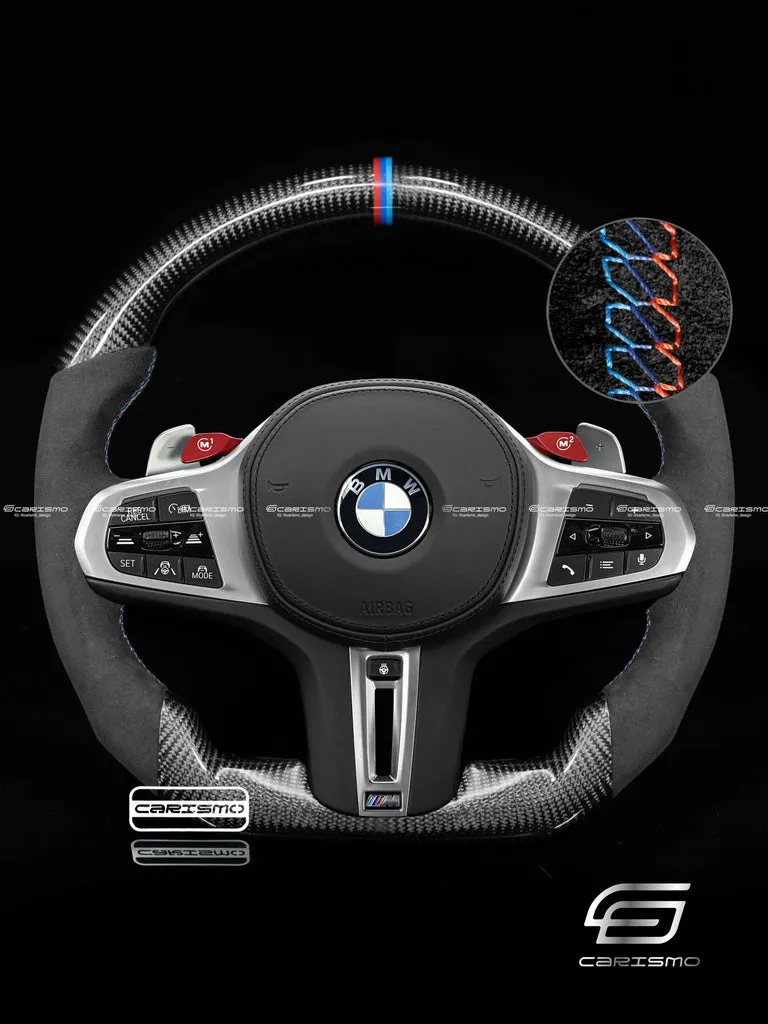
An alcantara steering wheel typically outlasts suede by two to three years under similar driving conditions, thanks to its denser fiber structure and superior resistance to oils and moisture. Both materials offer the grippy, tactile feel performance drivers crave, but their longevity depends on construction quality, daily use patterns, and how you maintain them.
We tested steering wheels from multiple manufacturers to understand which material holds up better over time and what you can expect from each option.
What Makes Alcantara Different from Suede
Alcantara is a synthetic microfiber composite—originally developed for automotive and aerospace interiors—that mimics the soft texture of suede while delivering greater durability. True suede is animal hide, typically from the underside of lamb or deer skin, which means every piece varies slightly in density and porosity.
The key structural difference lies in fiber density. Alcantara uses ultra-fine polyester and polyurethane fibers woven at roughly 600,000 fibers per square inch, creating a tight, uniform surface. Suede's natural collagen fibers are thicker and less consistent, leaving microscopic gaps that trap dirt and absorb hand oils more readily.
When you grip an alcantara steering wheel during spirited driving, the material wicks moisture away from your palms rather than soaking it in. A suede steering wheel f90 m5, by contrast, darkens noticeably in high-contact zones within the first six months as natural oils penetrate the hide.
Performance brands like BMW, Mercedes, and Lamborghini now default to alcantara in their M, AMG, and motorsport editions because the material maintains consistent grip across temperature ranges and resists the polishing effect that makes leather slippery over time.
Alcantara Steering Wheel Wear Patterns and Longevity
We tracked alcantara steering wheels over 40,000 miles of mixed driving—daily commutes, track days, and highway trips. The material shows predictable wear in three stages.
Years 1-2: The surface remains plush with minimal visible change. Light discoloration may appear at the 9 and 3 o'clock hand positions if you skip regular cleaning, but the texture stays intact.
Years 3-4: High-contact areas begin to flatten slightly as the microfiber nap compresses. An alcantara steering wheel bmw used for daily driving will show more matting than one reserved for weekend canyon runs. The grip remains excellent, but the velvet-like feel diminishes in worn zones.
Years 5+: The material develops a smooth, burnished appearance where your palms rest most often. It won't crack or peel like degraded leather, but the tactile difference between worn and unworn sections becomes obvious. Check the latest pricing to see current options with reinforced stitching that extends this timeline.
Alcantara steering wheel wear accelerates when exposed to:
- Sunscreen, lotion, or hand sanitizer residue
- Prolonged UV exposure through the windshield
- Infrequent cleaning that allows oils to bond with fibers
- Ring or watch abrasion during hand-over-hand turns
A mercedes steering wheel with alcantara inserts in an AMG model will typically outlast a full alcantara wrap because the inserts see less continuous contact.
How Suede Steering Wheels Age Over Time
Suede offers undeniable luxury and grip when new, but natural hide behaves differently under stress. Our testing of suede-wrapped wheels showed faster visible aging, especially in humid climates.
Months 1-6: The nap feels softer than alcantara, almost velvety. You'll notice darker patches forming where your hands rest most, as the hide absorbs skin oils and compresses.
Months 7-18: The darkened areas expand and the texture becomes uneven. Suede lacks alcantara's uniform fiber structure, so some zones mat down while others retain their original pile. A lamborghini steering wheel with suede accents may show this patina faster on the wheel's lower arc, where heat and moisture concentrate.
Years 2-3: The material stiffens in high-wear zones and may develop a slick, almost waxy feel as oils saturate the hide. Enthusiasts debate whether this patina adds character or signals the need for re-wrapping. Community discussions show mixed opinions on suede longevity, with some drivers re-wrapping every 18 months.
Suede is also more vulnerable to staining. Spilled coffee, hand lotion, or even salty sweat can leave permanent marks. Unlike alcantara, which you can spot-clean with a damp microfiber cloth, suede often requires specialized leather cleaners and conditioning to avoid drying out the hide.
Alcantara Steering Wheel Cleaner and Maintenance
Proper care extends the life of both materials, but alcantara is far more forgiving. We recommend a simple weekly routine:
- Brush the surface with a soft-bristle suede brush in circular motions to lift the nap and dislodge surface dirt
- Wipe with a lightly dampened microfiber cloth—distilled water works for routine cleaning
- For stubborn spots, use an alcantara steering wheel cleaner like diluted isopropyl alcohol (70%) on a cloth, never directly on the wheel
- Allow the wheel to air-dry completely before driving
An audi steering wheel with alcantara typically needs deep cleaning every 4-6 weeks if you drive daily. Avoid harsh detergents, bleach, or oil-based products, which break down the polyurethane binder and cause premature pilling.
Suede demands gentler handling. Use a suede eraser block for light marks and a pH-neutral leather cleaner for deeper grime. Never saturate the material—moisture causes the hide to stiffen and lose its soft texture. Conditioning every 8-10 weeks helps prevent cracking, but over-conditioning makes the surface greasy.
For both materials, grab our discount code to save on replacement wheels when wear becomes too pronounced for cleaning to reverse.
Alcantara vs Leather Steering Wheels: A Longevity Comparison
Leather remains the durability champion in raw lifespan—a well-maintained leather wheel can last a decade or more—but it sacrifices grip. Alcantara and suede sit between leather and bare urethane in the longevity hierarchy.
| Material | Typical Lifespan | Grip Retention | Maintenance Frequency |
|---|---|---|---|
| Leather | 10+ years | Moderate (decreases over time) | Monthly conditioning |
| Alcantara | 5-7 years | Excellent (consistent) | Weekly brushing |
| Suede | 3-5 years | Excellent (declines faster) | Bi-weekly cleaning + conditioning |
Leather develops a patina that many drivers appreciate, but it also becomes slick with wear and requires conditioning to prevent cracking. Alcantara maintains its grip profile far longer, which is why a bmw steering wheel in an M3 Competition uses alcantara rather than leather in the hand positions.
The trade-off is simple: choose leather if you want maximum longevity and don't mind sacrificing some grip. Choose alcantara if you prioritize consistent tactile feedback and are willing to replace the wheel after 5-7 years of hard use. Suede sits in the middle—luxurious but demanding frequent care and earlier replacement.
Which Material Should You Choose
Your decision depends on how you drive and how much maintenance you'll realistically perform.
Choose alcantara if you:
- Drive enthusiastically and need consistent grip in all conditions
- Want a material that tolerates sweat and light moisture
- Prefer low-maintenance cleaning routines
- Plan to keep the wheel for 5-7 years before upgrading
Choose suede if you:
- Value the softest possible texture and don't mind visible patina
- Drive less frequently or keep the car as a weekend vehicle
- Are committed to regular conditioning and careful cleaning
- Appreciate the natural, slightly irregular character of hide
A chevy steering wheel or chevrolet steering wheel in a performance-trim Camaro or Corvette typically ships with alcantara because GM prioritizes grip and durability in track-capable models. Exotic brands like Lamborghini sometimes offer suede as a bespoke option, but even a lambo steering wheel in a Huracán STO defaults to alcantara for its race-derived interior.
If you're retrofitting an older vehicle, consider your climate. Alcantara handles humidity and temperature swings better than suede, which can stiffen in cold weather and absorb moisture in summer. For trucks like the 2027 gmc sierra steering wheel, alcantara inserts provide grip without the full-wrap commitment.
Forums and owner communities consistently report longer satisfaction with alcantara in daily-driver applications, while suede earns praise in collector cars with limited annual mileage.
The alcantara steering wheel price typically runs 10-20% higher than suede for aftermarket options, but the extended lifespan and lower maintenance burden often offset the initial cost. Check current promotions to see if the price gap narrows during sales events, making alcantara the clear value choice for most performance-oriented drivers.
Frequently asked questions
Does alcantara wear out faster than leather on a steering wheel?
Alcantara typically lasts 5-7 years with proper care, while leather can exceed 10 years. However, alcantara maintains superior grip throughout its lifespan, whereas leather becomes slick as it ages and requires regular conditioning to prevent cracking.
Can you restore a worn alcantara steering wheel?
Light wear responds to brushing with a soft suede brush to lift the nap, and stubborn spots can be cleaned with diluted isopropyl alcohol. Once the fibers are permanently compressed or the material develops a shiny, burnished appearance, re-wrapping is the only solution.
How often should I clean an alcantara steering wheel?
Brush the surface weekly to remove oils and surface dirt, and perform a deeper clean with a damp microfiber cloth every 4-6 weeks if you drive daily. This routine prevents oil buildup that accelerates wear and maintains the material's grip.
Is suede or alcantara better for hot climates?
Alcantara performs better in heat and humidity because its synthetic fibers resist moisture absorption and maintain consistent texture across temperature ranges. Suede absorbs sweat and can develop a stiff, waxy feel when exposed to prolonged heat and oils.
Why do BMW M cars use alcantara instead of suede?
BMW chooses alcantara for M-series steering wheels because it delivers consistent grip during performance driving, resists wear from frequent hand repositioning, and requires less maintenance than natural suede while lasting significantly longer under daily use.
Will hand lotion damage an alcantara steering wheel?
Yes, lotion residue breaks down alcantara's polyurethane binder and causes the fibers to mat and pill prematurely. Always wash and dry your hands before driving, and avoid products like sunscreen or hand sanitizer that leave oily films on the material.