

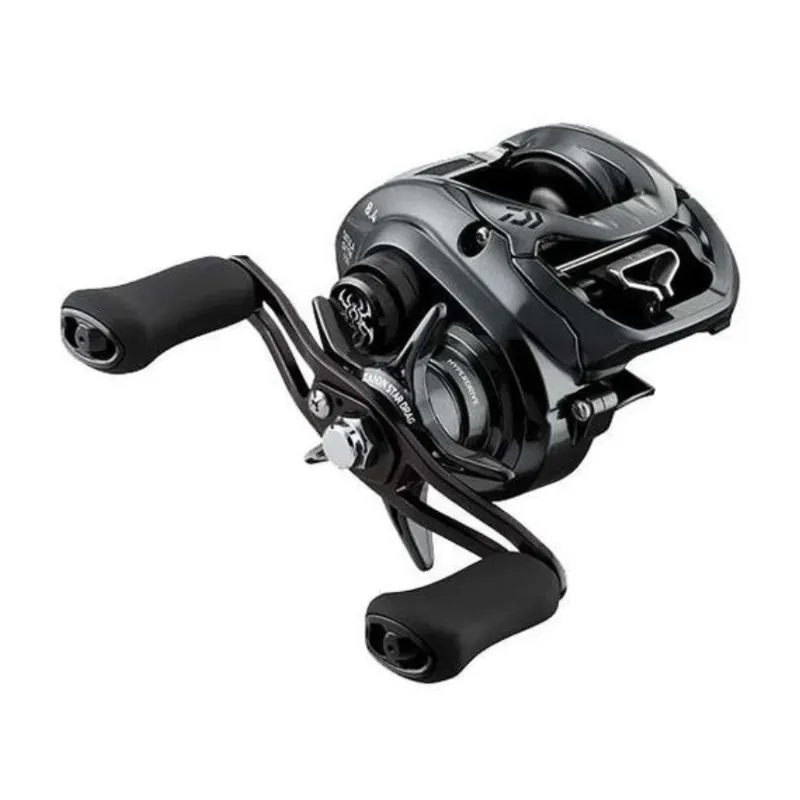
Clean and re-lube your daiwa tatula sv tws once or twice a season if you fish hard, and lightly every few trips, and the reel will keep the smooth, controlled cast that made you buy it. The job takes about 30 minutes with a screwdriver, cotton swabs, a light bearing oil and a small tub of reel grease. You do not need to strip the gearbox on a routine clean, and you should not.
Below is the routine we use on our own reels, plus the mistakes that quietly cost cast distance, and how to pair a freshly serviced Daiwa Tatula SV TWS with the right rod and lure for UK and Irish bass, pike and saltwater sessions.
When your Daiwa Tatula SV TWS actually needs a service
Every reel gets gritty at a different rate, so work from symptoms rather than a calendar.
- Cast distance drops and you are reaching for the brakes more than usual.
- The handle feels rough or notchy under load, especially with a deep crank or a big glide bait.
- The spool sounds dry or whiny on the retrieve.
- Saltwater trips. Rinse and wipe after every session, and do a full clean far more often than you would in freshwater.
- End of season. A winter clean and re-lube stops the grease from setting and the bearings from rusting over the closed months.
| Use pattern | Wipe down | Full clean and re-lube |
|---|---|---|
| Occasional freshwater | After each trip | End of season |
| Weekly freshwater | After each trip | Every 2 to 3 months |
| Regular saltwater | Rinse and dry after every trip | Every 4 to 6 weeks |
What to have on the bench first
Nothing here is specialist. A clean, well-lit bench and a tray for screws matter more than the brand of oil.
- A small Phillips and flathead screwdriver that actually fits the screws
- Cotton swabs and a soft toothbrush
- A clean lint-free cloth and warm water with a drop of mild soap
- Light reel oil for bearings, and a small pot of reel grease for gears
- A parts tray, so nothing rolls under the bench
- A phone photo of the reel before you take anything apart
Step by step: cleaning a Daiwa Tatula SV TWS
- Back the drag off completely and remove the handle where the design allows, then take off the side plate.
- Pull the spool straight out and set it on the cloth. Do not touch the SV inductor ring or the brake magnets with oily fingers.
- Wipe the frame inside and out with a barely damp cloth. Never dunk or hose the reel, water goes where oil used to be.
- Clean the spool shaft and the pinion area with a dry swab until no old grease remains.
- Work the levelwind. The T-Wing System on this reel has a shaped aperture that flips as you cast, so swab around the wing rather than forcing it side to side. Grit here is the usual cause of a rough line lay.
- Check the drag washers. Wipe them, look for glazing or shredding, and replace if they are worn rather than adding grease to hide the problem.
- Dry everything fully before it goes back together. Damp parts and fresh grease make a paste, not protection.
How to re-lube it without killing cast distance
The single biggest mistake with a daiwa tatula sv tws is over-oiling. The SV spool is designed to be controlled, and a soaked bearing fights that.
- Spool bearings: one small drop of light oil each. One. If oil runs down the shaft, you have used too much.
- Gears: a thin film of grease, worked in by turning the handle, then wipe off the excess that squeezes out.
- Levelwind and worm gear: light grease, worked through the full travel.
- Drag washers: a trace of drag grease on the metal washers only, never a scoop.
- Brake and inductor surfaces: keep them dry. Oil on the brake ring makes the cast control inconsistent.
Reassemble, spool up, set the brakes and the spool tension to your lure weight, then make a few easy casts before you lean on it. If the reel is louder than before, you have a dry bearing. If it feels sluggish, you over-greased the gears.
Daiwa Tatula SV TWS vs Shimano Curado: what changes in the care routine
Both reels want the same bench time, but the details differ enough to note.
| Task | Daiwa Tatula SV TWS | Shimano Curado MGL 150 / Curado DC 200 |
|---|---|---|
| Spool access | Side plate off, spool lifts out | Side plate off, spool lifts out |
| Critical dry parts | SV inductor ring and brake surfaces | Brake drum and DC circuit area on the DC model |
| Extra caution | T-Wing levelwind aperture | Never wet-flush the DC electronics |
If you run both daiwa tatula sv tws and a shimano curado mgl 150 or curado dc 200, service them the same day so you are not guessing which reel was done when. The DC model is the one to be strict with: no rinsing under a tap and no oil anywhere near the electronics.
Pairing a freshly serviced reel with rod and lure
A clean reel tells you a lot about the rest of your setup. If the reel casts beautifully and the rig still feels dead, the rod or the lure is the problem, not the bearings.
- Bass and lighter plastics: a daiwa tatula x rod matched to the reel's lure rating gives you a balanced, sensitive combo for tubes and finesse work.
- Jerkbaits and glides: a lucky craft jerkbait or spro kgb chad shad 180 is the honest test of a freshly lubed spool. Both need a reel that starts up smoothly.
- Topwater and cover: a jackall kaera frog or a strike king coffee tube around weed and rock, where you want a fast retrieve and a reliable drag.
- Softer, longer rods for trebles: dobyns fishing rods suit treble-hooked lures and keep fish pinned on the retrieve.
If you are still deciding between rods, our guide to choosing a bass fishing rod is worth reading before you spend, and the same logic covers jerkbait and crankbait selection.
Buying genuine parts, oil and the reel itself
Service parts and reels are worth buying from a dealer you trust. Cheap bearings and counterfeit oil are the fastest way to undo a good clean, so check for genuine tackle authenticity and a real returns policy before you order.
We buy from Banff UK & Ireland, which ships to the UK and Ireland with order tracking and delivery updates, and has a straightforward returns and refunds policy if a part is wrong. The discount code redemption steps are simple at checkout, and you can grab the code here for 10% off all orders, which makes stocking up on oil, spare spools and the next reel far easier. If you want to compare the full Daiwa Tatula reel range or the Shimano Curado model differences before you buy, check the latest price on the store page first.
A routine worth keeping
Put the clean on the calendar next to the trip, not next to a memory. Wipe the reel after every session, keep water out of it, oil sparingly, grease the gears thin, and leave the brake surfaces dry. Do that and your daiwa tatula sv tws will still cast like it did on day one several seasons from now, which is cheaper than replacing it.
 Shopping at Banff UK & Ireland? See today's verified Banff UK & Ireland discount code
Frequently asked questions
How often should I clean and re-lube a daiwa tatula sv tws?
For regular freshwater fishing, a full clean and re-lube every two to three months and a wipe down after every trip is plenty. If you fish saltwater, rinse and dry after each session and do the full service every four to six weeks.
How much oil goes on the spool bearings?
One small drop per bearing. The SV spool is built for controlled casts, and an over-oiled bearing makes the braking feel inconsistent and can fling oil into the brake area.
Can I wash my baitcasting reel under a tap after saltwater?
No. A damp cloth and a light rinse of the exterior only. Running water pushes salt and grit into the gearbox and past the bearings, and on a Curado DC it can damage the electronics.
Do I need to grease the drag washers?
Only a trace of drag grease on the metal washers. Too much attracts grit and makes the drag sticky. If the washers look glazed or shredded, replace them instead of greasing over the problem.
Will servicing my reel change how far it casts?
It can, usually for the better. A clean levelwind and correctly oiled spool bearings free up the cast, but you should retune the brakes and spool tension to your lure weight afterwards rather than assuming the old settings still apply.
Should I service a Daiwa Tatula SV TWS and a Shimano Curado the same way?
Mostly yes, but keep the SV inductor ring and brake surfaces dry on the Daiwa, and never wet-flush or oil near the electronics on a Curado DC 200.