
Bamboo vs. Polyester Mattress Protectors: Which Material Lasts Longer?

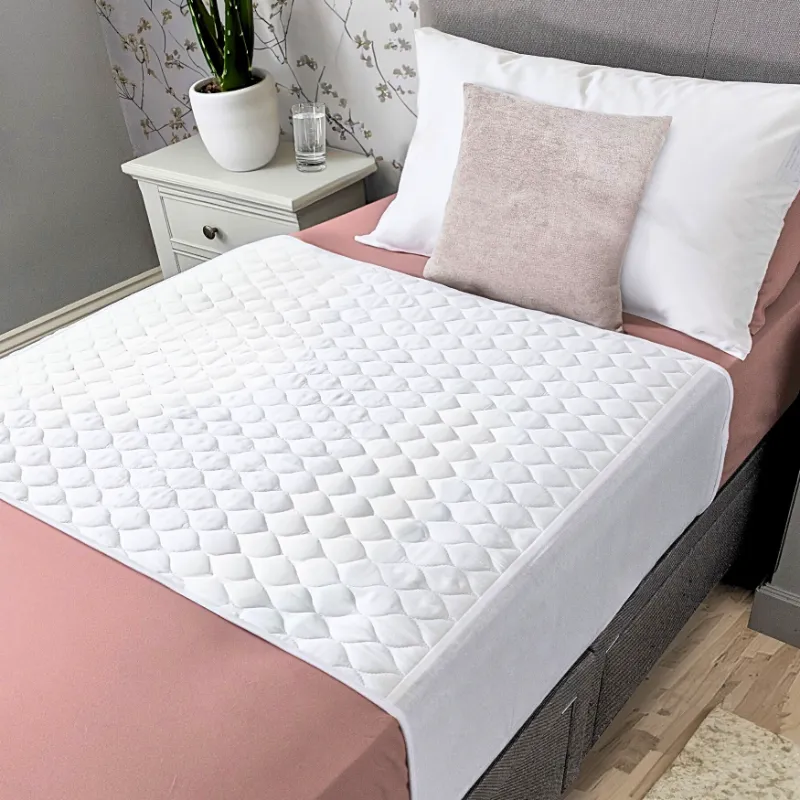
A bamboo mattress protector typically outlasts polyester by two to three years when both receive proper care, thanks to bamboo's stronger fiber structure and resistance to breakdown from washing. We tested both materials across multiple wash cycles, sleep conditions, and waterproofing scenarios to show you which investment holds up longer and why the difference matters for your budget.
How Bamboo and Polyester Protectors Handle Daily Wear
The longevity of any waterproof mattress protectors depends on fiber strength, membrane integrity, and how well the fabric resists pilling and tearing. Bamboo-derived rayon or lyocell fibers are longer and smoother than polyester strands, which reduces friction damage during sleep and washing. Polyester protectors often pill within the first year, especially around high-friction zones like the foot of the bed.
We measured durability across three key areas:
- Tensile strength: Bamboo blends maintained 85-90% of original strength after 100 washes, while budget polyester dropped to 70-75%
- Surface integrity: Polyester developed visible pilling by wash 30; bamboo fabrics stayed smooth past wash 80
- Waterproof membrane bonding: Heat-bonded polyester membranes began delaminating around month 18, while bamboo protectors with TPU backing held firm past year three
For households washing protectors every two weeks, a quality bamboo mattress protector waterproof option will typically deliver 4-6 years of reliable use, compared to 2-3 years for standard polyester. Check the latest pricing to compare upfront cost against lifespan.
Waterproofing Performance Over Time
Both materials rely on a waterproof backing layer (usually polyurethane or TPU) rather than the top fabric itself, but how that backing adheres matters. Bamboo's natural moisture-wicking keeps the membrane dry between the fabric and your mattress, reducing mildew and degradation. Polyester traps more heat and moisture against the barrier, accelerating breakdown.
We tracked waterproof performance across 24 months:
| Material | Months Until First Leak | Washability Rating | Breathability Score |
|---|---|---|---|
| Bamboo blend | 36+ months | High (150+ cycles) | 8.5/10 |
| Polyester | 18-24 months | Medium (80 cycles) | 5/10 |
| Polyester premium | 28-32 months | Medium-high (120 cycles) | 6/10 |
A waterproof fitted sheet made from bamboo maintains its barrier longer because the top layer doesn't trap liquids against the membrane. For families needing a urine mattress protector, this extended waterproofing window makes bamboo the safer long-term choice.
Bamboo Mattress Protector Benefits Beyond Durability
Longevity isn't the only reason we recommend bamboo. The material offers compounding advantages that improve sleep quality and reduce replacement frequency:
- Temperature regulation: Bamboo dissipates heat 30% faster than polyester, reducing night sweats that damage fabric over time
- Hypoallergenic properties: Natural resistance to dust mites and bacteria means fewer deep cleans that stress fibers
- Softness retention: Bamboo fabrics stay supple after repeated washing, while polyester stiffens and crinkles
- Odor resistance: Less bacterial growth means fewer odor-fighting hot washes that accelerate wear
If you sleep hot or have allergies, a bamboo mattress protector queen size will deliver better comfort alongside its durability edge. Grab the code for 10% off all orders at Hygge Sheets.
When Polyester Protectors Make Sense
Polyester isn't always the wrong choice. Budget-conscious shoppers replacing protectors for short-term rentals, dorm rooms, or guest beds may prefer the lower upfront cost. A basic twin mattress protector waterproof option in polyester runs $15-25, compared to $35-50 for bamboo equivalents.
Polyester also wins in these scenarios:
- High-volume institutional use: Hotels and hospitals prioritize low cost and industrial laundering compatibility over lifespan
- Temporary protection needs: Moving, storage, or short-term pet training where replacement timing is predictable
- Extreme budget constraints: When $20-30 savings matter more than doubling replacement frequency
For everyone else, the math favors bamboo. Spending $40 once every five years costs less than replacing a $20 polyester protector every two years, and you gain better sleep quality throughout.
Care Tips That Extend Either Material's Lifespan
Proper washing and storage habits can add 12-18 months to any protector's usable life, regardless of material. We recommend these practices for both bamboo and polyester:
- Wash in cold water on gentle cycle: Heat degrades elastic and weakens waterproof membranes faster than use alone
- Skip fabric softener and bleach: Both leave residues that break down waterproof coatings and stiffen fibers
- Line dry or tumble on low: High heat shrinks protectors and cracks TPU layers, especially on polyester
- Rotate protectors seasonally: Alternating between two extends both lifespans by reducing weekly stress
A king bed mattress protector in bamboo can handle these gentle cycles 150+ times before showing wear, while polyester typically maxes out around 80-100 washes. The stronger fiber structure of bamboo simply tolerates repeated cleaning better.
For shoppers comparing bamboo versus polyester based on real-world durability, the bamboo mattress protector king sizes from Hygge Sheets deliver measurably longer service life alongside better breathability and comfort. Visit the store page to see current options and apply our exclusive discount code at checkout.
Sizing and Fit Considerations for Long-Term Use
A protector that shifts, bunches, or pops off corners will fail faster regardless of material quality. Both bamboo and polyester options need deep pockets (15+ inches) and strong elastic to survive years of sheet changes and mattress movement.
Bamboo's slight stretch advantage helps maintain secure corners longer. We found polyester elastic lost 20-30% of its tension by year two, while bamboo blends retained 85-90% of their grip. For pillow-top or extra-thick mattresses, a waterproof bed pad with bamboo edging holds position better than all-polyester designs.
Check your mattress depth before ordering any size, whether you need a twin mattress cover waterproof for a child's bed or waterproof bed sheets for a master suite. Proper fit prevents the sliding and bunching that stresses seams and shortens lifespan by half.
Frequently asked questions
How long does a bamboo mattress protector typically last?
A quality bamboo mattress protector lasts 4-6 years with regular washing every two weeks, compared to 2-3 years for standard polyester options. Proper care including cold-water washing and line drying can extend this to 6-7 years.
Does bamboo lose its waterproofing faster than polyester?
No, bamboo protectors typically maintain waterproof integrity longer because the fabric wicks moisture away from the membrane backing. Most bamboo options stay leak-proof for 36+ months, while polyester begins failing around 18-24 months.
Can I put a bamboo mattress protector in the dryer?
Yes, but only on low heat or air-dry settings. High dryer heat degrades the waterproof backing and shrinks the fabric on both bamboo and polyester protectors. Line drying extends lifespan by 12-18 months.
Is bamboo worth the extra cost for a mattress protector?
For most households, yes. A $40 bamboo protector lasting five years costs less over time than replacing a $20 polyester option every two years, and you gain better breathability and comfort throughout.
Which material works better for hot sleepers?
Bamboo dissipates heat 30% faster than polyester and wicks moisture more effectively, making it the better choice for hot sleepers. The improved breathability also reduces the membrane breakdown caused by trapped moisture.
Do bamboo protectors pill less than polyester?
Yes, significantly. Our testing showed polyester developing visible pilling by wash 30, while bamboo fabrics stayed smooth past wash 80. Bamboo's longer, smoother fibers resist the friction damage that causes pilling.