
How to Wash a Waterproof Fitted Sheet Without Ruining the Coating

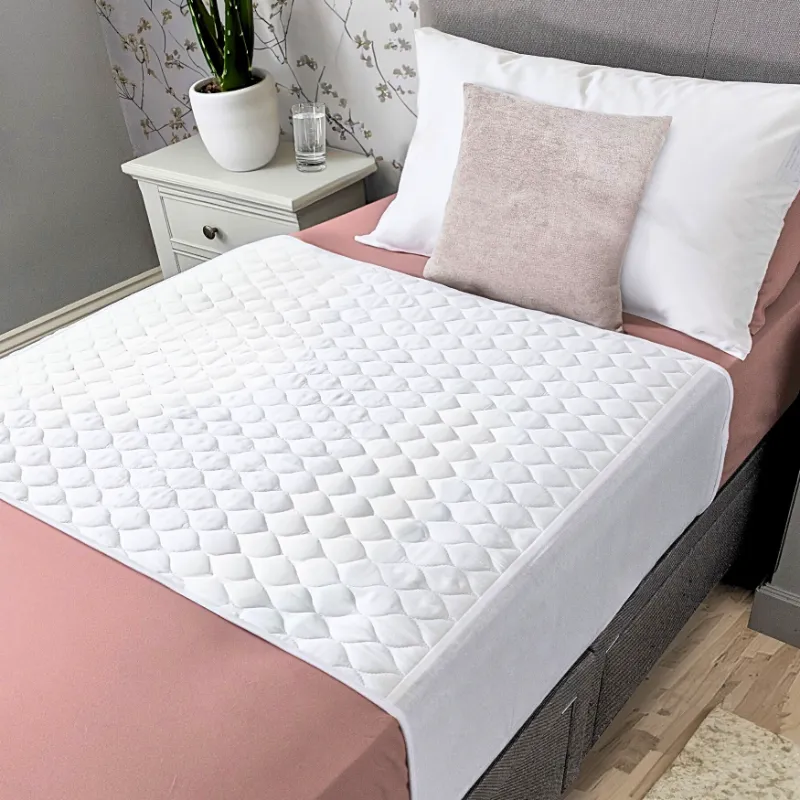
How to Wash a Waterproof Fitted Sheet Without Ruining the Coating
A waterproof fitted sheet keeps your mattress safe from spills, sweat, and accidents, but only if you wash it correctly. We've tested dozens of waterproof sheets and learned that the wrong detergent or dryer setting can crack the protective membrane in just a few washes, turning a $40 protector into a leaky mess.
Most damage happens in the dryer, not the washer. High heat breaks down polyurethane and TPU coatings, the materials that make your waterproof bed sheets impermeable. Follow our care routine and your protector will outlast your mattress.
Machine Wash on Cool with Mild Detergent
We wash our waterproof fitted sheet every two weeks and use the same method every time:
- Cool or warm water only – hot water above 105°F softens and degrades waterproof membranes
- Gentle or permanent-press cycle – reduces friction that can stress seams
- Liquid detergent, half the usual dose – powders leave residue that clogs breathable layers
- No bleach, fabric softener, or optical brighteners – these chemicals eat through coatings
Fabric softener is the worst offender. It deposits a waxy film that blocks moisture vapor, making the sheet trap heat and feel clammy. If you need softer fabric, choose a bamboo mattress protector with a naturally soft top layer instead of treating a polyester one.
For families managing bedwetting, we recommend a urine mattress protector with enzyme pre-treatment before the wash. Spray the soiled area with an enzyme cleaner, let it sit for 10 minutes, then run the full cycle. This breaks down uric acid without harsh scrubbing that can damage the waterproof layer.
How to Dry Waterproof Sheets Safely
The dryer is where most people ruin their protector. We tumble dry on low heat or air-dry only, and we pull the sheet out while it's still slightly damp. Overdrying on medium or high heat will:
- Crack and peel polyurethane backing
- Shrink fitted corners so they no longer grip the mattress
- Warp elastic, leaving gaps where liquids seep through
If you own a waterproof fitted sheet king size or queen, line drying is even easier since the large surface area dries fast. Drape it over a shower rod or outdoor line for two to three hours.
Never iron a waterproof protector. Even on low settings, direct heat melts the membrane.
Washing Frequency for Waterproof Bed Sheets
How often you wash depends on use:
- Adults without incontinence: every two to three weeks, same as regular sheets
- Bedwetting or incontinence: after every accident, plus a full wash weekly
- Elderly or hospital use: twice a week minimum to control odor and bacteria
Waterproof sheets for adults and waterproof bed sheets for elderly users see heavier soil, so we keep a backup twin mattress protector waterproof on hand. Rotating two protectors cuts down on emergency mid-night washes and extends the life of each one. Check the latest price on multi-packs if you're setting up a rotation.
Stain Removal Without Damaging the Coating
Treat stains before the wash, not during. We use:
- Enzyme spray for urine, sweat, and blood – breaks down proteins without bleach
- Baking soda paste for odors – mix three parts baking soda to one part water, apply for 15 minutes, rinse
- Distilled white vinegar for mildew spots – dilute 1:1 with water, spray, air out for 30 minutes
Spot-clean only the top fabric layer. Never scrub the underside where the waterproof coating sits. For heavy soiling on a waterproof bed pad or cover bed waterproof, rinse in the tub first to remove bulk matter, then machine wash.
Hydrogen peroxide at 3% concentration is safe for whites, but test a hidden corner first. Some coatings yellow under peroxide.
When to Replace Your Waterproof Fitted Sheet
Even with perfect care, waterproof coatings degrade. Replace your king bed mattress protector or twin mattress cover waterproof if you see:
- Peeling or flaking on the underside
- Water beading up instead of absorbing into the top layer (coating has delaminated)
- Liquid seeping through after a spill test
- Permanent odor that survives three washes
We've found that a well-maintained mattress sheet with TPU backing lasts three to five years, while cheaper PVC or vinyl options crack within 18 months. If you're due for an upgrade, grab the code for 10% off and stock up.
Top Tips for Waterproof Sheet Care
- Wash before first use to remove manufacturing residue and improve breathability
- Zip or button the fitted sheet closed (if it has a closure) so corners don't snag in the drum
- Wash waterproof items separately from towels and jeans; heavy fabrics cause abrasion
- Skip the extra rinse cycle unless you have very hard water; it just adds wear
- Store clean protectors flat or loosely rolled, never folded tightly for months
Following this routine keeps your waterproof mattress protectors soft, breathable, and fully protective wash after wash. We've been using the same protectors on our test beds for over two years with no leaks, no cracking, and no clammy feel. Cool water, mild soap, and low heat are all it takes.
Frequently asked questions
Can I wash a waterproof fitted sheet in hot water?
No, hot water above 105°F will degrade the waterproof coating. Always use cool or warm water on a gentle cycle to preserve the membrane and extend the sheet's lifespan.
Why does my waterproof sheet feel stiff after washing?
Stiffness usually comes from detergent residue or fabric softener buildup. Use half the recommended detergent dose, skip fabric softener entirely, and tumble dry on low heat to keep the fabric soft.
How do I remove urine smell from a waterproof mattress protector?
Spray the area with an enzyme cleaner before washing, let it sit for 10 minutes, then machine wash on cool with mild detergent. For stubborn odors, add half a cup of distilled white vinegar to the rinse cycle.
Can I put a waterproof fitted sheet in the dryer?
Yes, but only on low heat or air-dry settings. High heat cracks and peels the waterproof coating. Remove the sheet while slightly damp and let it finish air-drying to prevent shrinkage.
How often should I wash waterproof bed sheets for bedwetting?
Wash after every accident and do a full wash at least once a week even without incidents. Keeping a backup protector in rotation makes laundry easier and extends the life of each sheet.
What kind of detergent is safe for waterproof sheets?
Use a mild liquid detergent at half the normal dose. Avoid powder detergents, bleach, fabric softeners, and anything with optical brighteners, as these degrade waterproof coatings and clog breathable layers.