
Twin vs. Queen Waterproof Mattress Protector: Sizing Guide and Fit Tips

Twin vs. Queen Waterproof Mattress Protector: Sizing Guide and Fit Tips
A twin mattress protector waterproof fits a standard 38×75-inch mattress, while a queen protector covers 60×80-inch beds. Getting the size right ensures your protector stays secure, protects against spills and allergens, and doesn't bunch or slip during the night.
We tested waterproof protectors across multiple bed sizes to help you nail the fit. Whether you're protecting a child's twin bed, a guest room queen, or comparing options like a waterproof fitted sheet versus a zippered encasement, this guide walks you through exact measurements, pocket depth, and which style works best for your setup.
Standard Mattress Dimensions and Protector Sizing
Matching your protector to your mattress size is the first step. Here's how twin and queen dimensions compare:
| Size | Mattress Dimensions | Best For |
|---|---|---|
| Twin | 38" × 75" | Kids' rooms, bunk beds, single sleepers |
| Twin XL | 38" × 80" | College dorms, taller individuals |
| Queen | 60" × 80" | Couples, master bedrooms, most adults |
| King | 76" × 80" | Larger bedrooms, co-sleeping families |
A twin mattress cover waterproof designed for standard twin beds will not stretch to fit a queen—the 22-inch width difference means the corners won't reach. Always measure your mattress before ordering, especially if you have a vintage or specialty bed that may deviate from these standards.
Most waterproof mattress protectors list compatible sizes on the label. If you're shopping for multiple beds, consider a king bed mattress protector for larger rooms and dedicated twin covers for kids' spaces rather than trying to make one size work across your home.
Pocket Depth and Fitted Sheet Style Protectors
Pocket depth determines whether your protector stays put or pops off the corners at 2 a.m. Standard mattresses measure 9 to 12 inches thick, but pillow-tops and memory foam layers can push that to 18 inches.
Check your mattress height before you buy. A waterproof fitted sheet with a 12-inch pocket will struggle on a 15-inch pillow-top queen, while a deep-pocket twin protector (14 to 18 inches) works on thicker mattresses and tucks securely under the edges.
We recommend:
- Standard pocket (8-14 inches): works for most innerspring and basic foam mattresses
- Deep pocket (14-18 inches): necessary for pillow-tops, thick memory foam, or mattresses with toppers
- Extra-deep pocket (18+ inches): rare but essential for adjustable bases with added padding
Fitted-style protectors slip on like a sheet. They're fast to install and remove for washing, but they only cover the top and sides—liquid can seep underneath if a spill reaches the edge. For full encasement, look for a twin mattress cover zippered design that wraps all six sides.
Zippered Encasement Protectors for Full Coverage
A zippered mattress protector waterproof design encloses the entire mattress, blocking spills, allergens, and bed bugs from every angle. These work especially well for urine mattress protector needs in kids' rooms, elderly care, or pet-friendly homes.
Zippered covers take longer to install—you slide the mattress inside and zip it closed—but they stay in place without shifting. We've found them ideal for twin beds used by young children or for guest room queens that see occasional use, since you can leave the protector on year-round without frequent adjustments.
When comparing a twin mattress protector waterproof zippered model to a fitted style, consider:
- Fitted: faster laundry, easier for frequent washing, top-and-side protection only
- Zippered: full encasement, stays put longer, better for long-term allergen and bug protection
Both styles come in twin and queen sizes. A bamboo mattress protector with a zipper combines breathability with waterproof backing, so you get the coverage without trapping heat.
Waterproof Materials and Breathability Across Sizes
Protector size doesn't change the material, but surface area does affect how much heat or noise a protector generates. Larger queen and king covers have more vinyl or polyurethane backing, which can trap warmth if the fabric isn't breathable.
Look for protectors that pair waterproof membranes with cotton, bamboo, or moisture-wicking knit tops. Waterproof sheets from Hygge Sheets use a quiet, breathable layer that passes liquid-resistance tests without the crinkle of older plastic twin mattress cover designs.
Materials to compare:
- Cotton terry: soft, absorbent surface with polyurethane backing—quiet and cool
- Bamboo knit: naturally breathable and hypoallergenic, often softer than cotton
- Vinyl or plastic: budget-friendly but can feel hot and noisy, common in twin mattress cover plastic options
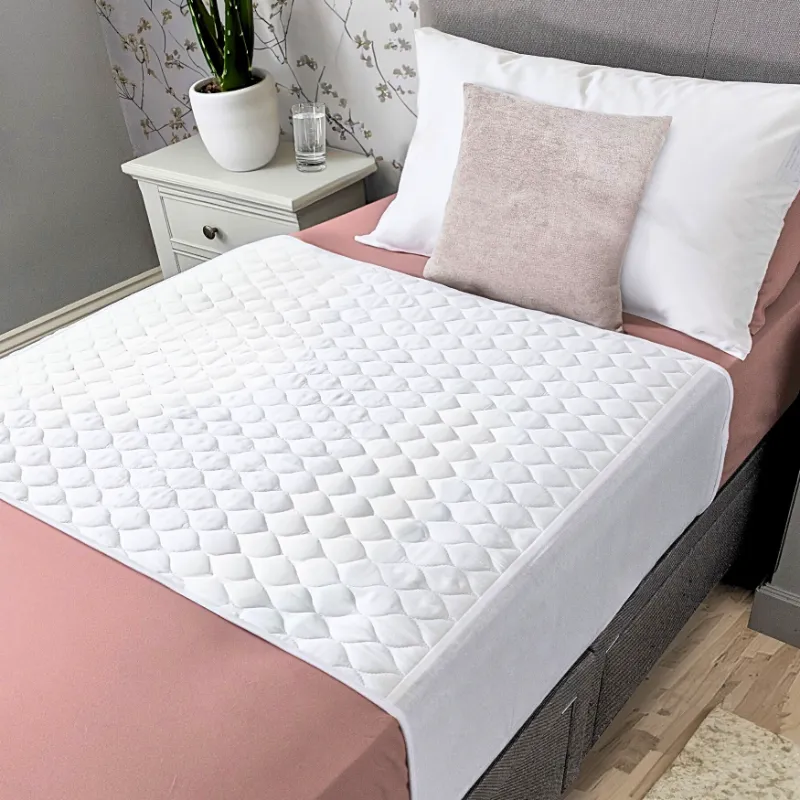
A waterproof bed pad sits on top of the mattress rather than encasing it, adding an extra absorbent layer for high-risk areas without changing the entire fitted protector. We layer bed pads over fitted protectors on twin beds for potty-training toddlers or for elderly family members who need extra security.
Measuring Your Mattress and Choosing the Right Fit
Grab a tape measure and check three dimensions before you order:
- Width and length: measure from edge to edge across the top surface
- Thickness: measure from the top surface to the bottom, including any topper
- Corner drop: if your bed has rounded corners, note the curve radius
If your twin measures 38×75 inches and sits 11 inches thick, a standard twin mattress cover waterproof with a 12-inch pocket will fit. If it's 38×80 inches (Twin XL), order the Twin XL size—regular twin protectors will pull short at the foot.
For queen beds, double-check that you don't have a California Queen (60×84 inches), which is less common but requires a longer protector than the standard 60×80-inch queen size.
Grab the latest Hygge Sheets discount code before you order—our current offer saves 10% on all protector sizes, whether you're buying a single twin or outfitting multiple bedrooms.
Who Should Choose Twin vs. Queen Protectors
Match the protector to the sleeper and the room's purpose:
Choose a twin mattress protector waterproof if you're covering:
- Kids' beds, bunk beds, or trundle setups
- Guest rooms with single beds
- Dorm rooms or small apartments with twin or Twin XL mattresses
- Daybeds that double as seating during the day
Choose a queen waterproof protector if you're covering:
- Master bedrooms or primary sleeping spaces
- Couples who need more room than a full-size mattress
- Guest rooms with queen beds
For households with multiple bed sizes, buy protectors matched to each mattress rather than trying to improvise. A queen protector will hang loose and bunch on a twin, creating discomfort and reducing protection. If you're unsure which size you own, check the mattress tag or measure before you shop.
Wirecutter's mattress protector testing confirms that fit matters as much as waterproofing—protectors that shift during sleep fail at their primary job. We also recommend reading Mattress Clarity's 2026 roundup for independent lab results on breathability and durability across sizes.
Washing and Care Tips for Long-Lasting Protection
Both twin and queen protectors need regular washing to maintain waterproofing and hygiene. We wash ours every two to four weeks, or immediately after any spill.
Machine wash in cold or warm water with mild detergent. Skip bleach and fabric softener—both break down waterproof membranes over time. Tumble dry on low or hang to air-dry. High heat can crack vinyl backing, especially on budget twin mattress cover plastic styles.
If you use a mattress sheet or a cover bed waterproof layered with a decorative cover, remove and wash the waterproof layer first, then launder the decorative piece separately. This prevents odors and keeps the waterproof barrier effective longer.
For twin beds in kids' rooms, keep a spare twin mattress protector waterproof on hand so you can swap and wash without leaving the bed unprotected. Queen-size households can rotate two protectors to extend the life of each one.
Check current pricing on all sizes at Hygge Sheets—we update stock and sizing availability regularly, so you can grab the exact fit your bed needs without guessing.
Frequently asked questions
Will a twin mattress protector waterproof fit a Twin XL bed?
No, a standard twin protector measures 38×75 inches while Twin XL beds are 38×80 inches. The protector will pull short at the foot of a Twin XL mattress. Always order the Twin XL size if your bed is 80 inches long.
Can I use a queen waterproof protector on a twin mattress?
Technically yes, but it will bunch and shift because a queen is 22 inches wider than a twin. The excess fabric creates discomfort and reduces waterproof effectiveness. Always match the protector size to your mattress dimensions.
What pocket depth do I need for a pillow-top mattress?
Measure your mattress thickness from top to bottom. Pillow-tops usually require deep-pocket protectors with 14 to 18-inch pockets. Standard pockets (8-14 inches) will pop off the corners on thicker mattresses.
Are zippered protectors better than fitted sheet styles?
Zippered protectors offer full six-sided encasement, blocking spills and allergens from every angle. Fitted styles are faster to wash and reinstall but only cover the top and sides. Choose zippered for maximum protection or fitted for convenience.
How often should I wash my waterproof mattress protector?
Wash every two to four weeks under normal use, or immediately after spills. Use cold or warm water and skip bleach or fabric softener, which break down waterproof backing. Tumble dry on low heat.
Do waterproof protectors make the bed feel hot?
Budget vinyl or plastic protectors can trap heat. Look for breathable materials like cotton terry or bamboo knit with a quiet polyurethane backing. These allow airflow while maintaining waterproof protection.