
Will a Waterproof Mattress Cover Make You Sleep Hot?

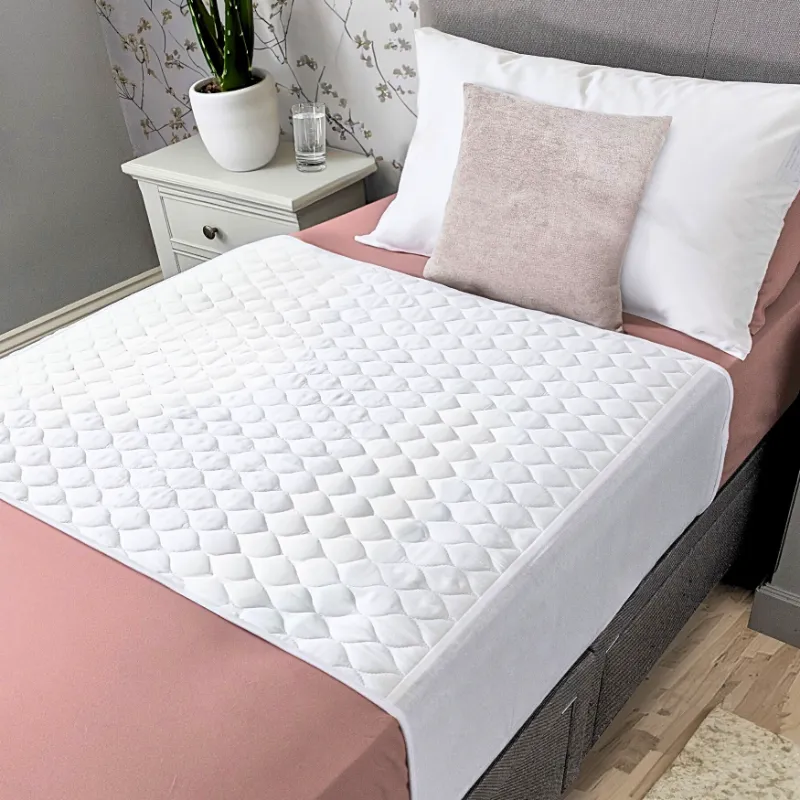
Does a Waterproof Cover Make You Sleep Hot?
A twin mattress cover waterproof won't necessarily make you sleep hot if you choose the right material and construction. Early waterproof protectors used vinyl or plastic barriers that trapped heat and moisture, but modern options like our bamboo mattress protector and waterproof fitted sheet combine leak protection with breathable fabrics that regulate temperature. The key is understanding which materials and designs keep you dry without turning your bed into a sauna.
We tested a range of waterproof mattress protectors from budget plastic covers to premium bamboo-blend options. The difference in sleep temperature comes down to three factors: the waterproof membrane technology, the top fabric layer, and how air circulates through the protector.
Materials That Breathe vs. Materials That Trap Heat
Not all waterproof barriers are created equal. Here's how the common options compare:
| Material Type | Breathability | Heat Retention | Best For |
|---|---|---|---|
| Vinyl or PVC | Poor | High | Storage, moving |
| Polyurethane film | Moderate | Moderate | Budget protection |
| TPU membrane | Good | Low | Daily use, hot sleepers |
| Bamboo blend with TPU | Excellent | Very low | Temperature-sensitive sleepers |
Traditional twin mattress cover plastic options work well for storage or moving, but they create a moisture barrier that prevents air circulation during sleep. When body heat and perspiration have nowhere to go, you wake up clammy and uncomfortable.
Modern waterproof bed sheets use a thin polyurethane or TPU membrane sandwiched between breathable fabric layers. This construction blocks liquids while allowing water vapor from perspiration to escape. Our twin mattress cover waterproof uses this approach, pairing a waterproof layer with moisture-wicking fabric that pulls heat away from your body.
Bamboo and cotton top layers enhance cooling further. Bamboo naturally regulates temperature and absorbs moisture more effectively than synthetic fabrics, which is why our bamboo mattress protector consistently ranks among the coolest options in side-by-side testing.
What Makes a Protector Sleep Cool
Beyond the waterproof layer itself, several design features determine whether a protector will keep you comfortable through the night.
Fabric weight and weave matter more than most buyers realize. Lightweight, open-weave fabrics allow better airflow than dense, heavy materials. Look for protectors under 200 GSM (grams per square meter) if heat retention is a concern.
Fitted vs. encasement styles affect temperature differently. A standard waterproof fitted sheet covers only the top and sides of your mattress, leaving the bottom open for air circulation. A twin mattress cover zippered encasement wraps the entire mattress, which provides complete protection but can trap more heat since airflow is restricted on all six sides.
Stretchy fabric construction ensures the protector stays smooth against your mattress without bunching. When a protector wrinkles or shifts, it creates insulating air pockets that hold heat. The elastic skirts on our twin mattress protector waterproof keep the surface taut and flat.
Moisture-wicking treatment on the sleep surface actively pulls perspiration away from your skin. This feature is especially valuable for a urine mattress protector or any protector used in situations where moisture control is critical.
Comparing Waterproof Options for Hot Sleepers
If you run warm at night, prioritize these features when shopping:
- TPU membrane rather than vinyl or PVC
- Natural fiber top layer like bamboo, cotton, or Tencel
- Lightweight construction under 10 ounces for a twin size
- Fitted style instead of full encasement unless you need bedbug protection
- Certified breathability if available (some brands provide air permeability test results)
Our waterproof sheets check all these boxes and include a moisture-wicking finish that keeps the surface dry to the touch. For extra cooling, pair your protector with breathable sheets in linen or percale cotton rather than high-thread-count sateen, which traps more heat.
A waterproof bed pad offers another option for localized protection. These pads sit on top of your fitted sheet in the areas most prone to spills or accidents. Since they cover less surface area than a full protector, they don't affect sleep temperature as noticeably. However, they can bunch or shift during the night.
Check the latest pricing and grab our code to save 10% on any protector style.
How to Test if Your Protector Sleeps Hot
If you already own a waterproof protector and suspect it's making you overheat, try this simple test:
- Sleep one night with the protector in place, noting your comfort level
- Remove the protector the next night and sleep directly on your mattress (with a regular sheet)
- Compare how warm you felt each night
Keep in mind that seasonal temperature changes, bedding weight, and room temperature can all influence results. For a fair comparison, maintain consistent conditions both nights.
Signs your cover bed waterproof is trapping too much heat include waking up sweaty, kicking off blankets repeatedly, or feeling noticeably warmer than your partner. If you experience these symptoms, it's time to upgrade to a more breathable option.
Caring for Your Protector to Maintain Breathability
Even the most breathable waterproof protector will sleep hotter if it's not properly maintained. Detergent buildup, fabric softener residue, and body oils can clog the membrane's pores over time, reducing air permeability.
Wash your mattress sheet every two to four weeks in warm water with a small amount of mild detergent. Skip the fabric softener entirely since it coats fibers and blocks moisture transfer. Tumble dry on low heat or line dry to preserve the waterproof membrane.
For king or queen sizes like our king bed mattress protector, check the care label before washing. Larger protectors may require a commercial washer or special handling to avoid damage.
Avoid high heat during drying, which can break down the waterproof barrier and create small leaks. Most protectors last three to five years with proper care, but if yours starts feeling plasticky or sleeping hotter than it used to, the membrane may be deteriorating.
Choosing the Right Protector for Your Needs
Match your protector to your specific situation for the best balance of protection and comfort:
- Hot sleepers benefit most from bamboo-blend fitted protectors with TPU membranes
- Parents of young children should prioritize quick cleanup over cooling features
- Allergy sufferers may need a waterproof twin mattress cover zipper encasement despite slightly higher heat retention
- Guest beds can use basic polyurethane protectors since occasional use won't cause discomfort
- Storage or moving calls for heavy-duty twin mattress cover for storage with full plastic barriers
We've found that investing in a quality breathable protector pays off in better sleep quality, especially if you use it year-round. The temperature difference between a budget vinyl cover and a premium bamboo option is significant enough that hot sleepers notice within the first night.
Visit our discount code page to find current offers on the full range of waterproof protection options, from basic waterproof bed sheets to advanced cooling protectors designed specifically for temperature-sensitive sleepers.
Frequently asked questions
Will a twin mattress cover waterproof make me sweat at night?
Modern waterproof protectors with TPU membranes and breathable top fabrics like bamboo or cotton won't make you sweat. Older vinyl or plastic covers do trap heat and moisture, but newer designs allow water vapor to escape while blocking liquids.
What's the coolest type of waterproof mattress protector?
Bamboo-blend protectors with TPU waterproof membranes sleep the coolest because bamboo naturally regulates temperature and wicks moisture. Look for lightweight construction under 200 GSM and fitted styles rather than full encasements.
Can I use a waterproof protector if I'm a hot sleeper?
Yes, hot sleepers can comfortably use waterproof protectors made with breathable materials. Choose options with TPU membranes, natural fiber top layers, and moisture-wicking treatments rather than vinyl or heavy plastic covers.
Do waterproof fitted sheets sleep cooler than zippered covers?
Fitted waterproof sheets typically sleep cooler than full zippered encasements because they leave the bottom of the mattress open for airflow. Unless you need complete protection for allergens or bedbugs, fitted styles offer better temperature regulation.
How often should I wash my waterproof mattress protector?
Wash your waterproof protector every two to four weeks in warm water with mild detergent. Skip fabric softener, which clogs the membrane and reduces breathability, making the protector sleep hotter over time.
Why does my waterproof protector feel hotter than it used to?
Detergent buildup, fabric softener residue, and body oils can clog the waterproof membrane's pores, reducing breathability. Wash it properly without fabric softener, and if it still feels hot or plasticky, the membrane may be deteriorating and need replacement.