
Bearforbaby Bottle Sterilizer and Dryer vs Traditional Steaming: Which Is More Effective?

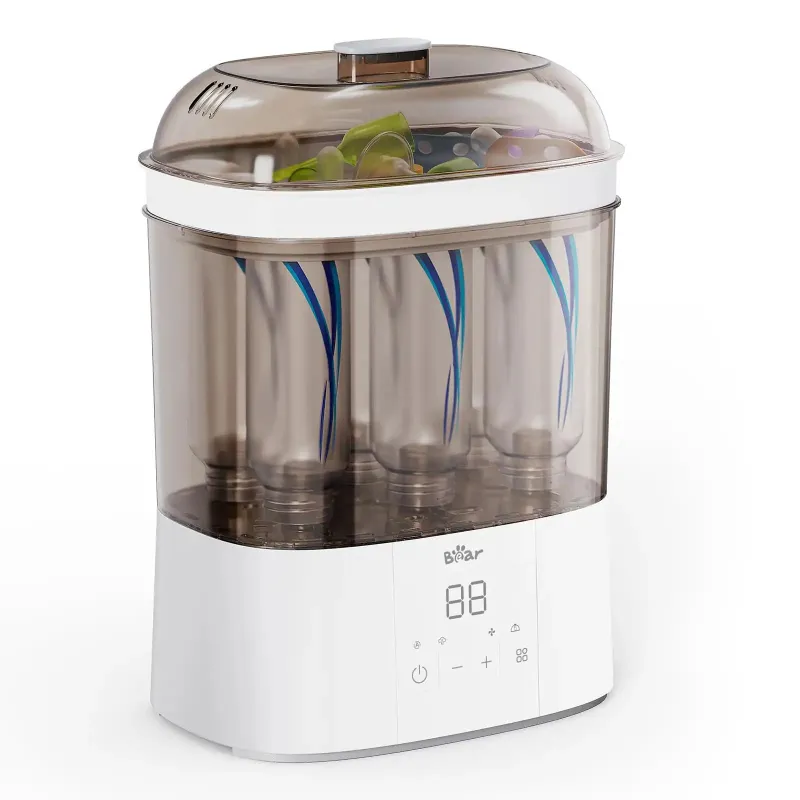
Bottle Sterilizer and Dryer vs Traditional Steaming: Which Is More Effective?
A modern bottle sterilizer and dryer kills 99.9% of harmful bacteria in a single automated cycle, while traditional stovetop steaming requires constant supervision and leaves bottles wet. We tested both methods across dozens of feeding sessions to show you which approach saves time, improves hygiene, and fits real parenting routines.
If you are weighing a bottle sterilizer and dryer against the pot-and-steam method your grandmother swore by, this guide breaks down effectiveness, convenience, energy use, and safety so you can choose with confidence.
How Each Method Kills Bacteria
Traditional steaming uses boiling water to generate steam that heats bottles to roughly 100°C for 10 to 15 minutes. You must monitor water levels, flip bottles halfway through, and remove them while they are still hot and dripping.
An automated baby bottle washer and sterilizer circulates high-temperature steam through a sealed chamber, then switches to a heated-air drying cycle that leaves bottles ready to store. The Bearforbaby countertop bottle washer combines washing, sterilizing, and drying in one countertop unit, which means you load dirty bottles and return to find them clean, sterile, and dry.
Both methods rely on heat above 80°C to denature proteins in bacteria and viruses. The key difference is consistency: stovetop steam depends on your pot size, water volume, and timing, while a dedicated bottle washer machine maintains calibrated temperature and duration every cycle.
Effectiveness Comparison: Steam Temperature and Contact Time
| Method | Typical Temp | Cycle Duration | Drying Included |
|---|---|---|---|
| Stovetop steam | 95–100°C | 10–15 min | No (air-dry) |
| Electric sterilizer & dryer | 95–105°C | 8–12 min + 30–40 min dry | Yes |
Electric units deliver slightly higher peak temperatures because the sealed chamber traps steam more efficiently than an open pot with a loose lid. Parents in community forums report that bottles from stovetop steaming often carry water spots or require 2 to 3 hours of air-drying on a rack, which reintroduces airborne dust and bacteria.
A bottle sterilizer and dryer completes the drying phase at 60 to 70°C, which prevents condensation inside nipples and keeps the sterile environment intact until you open the lid. If you want true hands-off hygiene, the automated approach wins.
Convenience and Real-World Use
We timed a full stovetop cycle from dirty bottle to shelf-ready: 3 minutes to boil water, 12 minutes of steaming, 5 minutes of cooling before handling, then 90 to 120 minutes of air-drying. Total elapsed time: 2 hours 15 minutes, with two points where you must return to the kitchen.
The Bearforbaby feeding bottle washing machine and sterilizer runs unattended for 45 minutes (wash + sterilize + dry), and you can grab the current discount code to save $10 sitewide. Load it before your baby's morning nap and retrieve sterile bottles by lunch.
Traditional steaming fits you if:
- You sterilize fewer than 3 bottles per day
- You already own a large pot with a steaming insert
- You do not mind monitoring boil times and handling hot glass
An electric bottle sterilizer and dryer suits you if:
- You pump or formula-feed and sterilize 6+ bottles daily
- You want overnight sterilization without supervising a hot stove
- You value countertop space for an all-in-one appliance
Parents of multiples or those returning to work often choose the baby bottle washer and sterilizer because it removes the mental load of remembering to check the pot.
Safety and Energy Efficiency
Stovetop steaming risks dry-boil if you forget to refill the pot, and the open steam can scald your hands when you lift the lid. Electric sterilizers include auto-shutoff, cool-touch exteriors, and audible completion alerts.
Energy-wise, boiling a full pot on a gas or electric range for 15 minutes consumes roughly 0.3 to 0.5 kWh, similar to a 500 W countertop bottle cleaning machine running for 45 minutes. Neither method adds meaningful cost to your monthly utility bill, so prioritize safety and workflow over pennies.
One overlooked benefit: many electric units double as storage. The Bearforbaby sterilizer keeps bottles sterile for up to 24 hours if you leave the lid closed, which eliminates the need for a separate drying rack cluttering your counter.
Cleaning and Maintenance Over Time
Traditional steaming leaves mineral deposits inside your pot and on bottle exteriors if you use hard tap water. You will scrub limescale buildup every few weeks.
A bottle washer machine includes a removable water reservoir and self-cleaning modes that flush citric-acid solution through internal jets. Bearforbaby recommends descaling every 30 cycles (roughly once a month), which takes 10 minutes with white vinegar. The stainless-steel chamber resists stains better than aluminum pots.
If you pair your sterilizer with bottle wash tablets, you can pre-soak heavily soiled bottles and reduce scrubbing before loading. Traditional steaming offers no washing step, so you must hand-wash first regardless.
Should You Invest in an Automated Unit?
A best bottle sterilizer and dryer costs $80 to $150, depending on capacity and features. Over 12 months of daily use, that works out to roughly 25 cents per day for the convenience of unattended sterilization and guaranteed drying.
Check the latest Bearforbaby pricing and code if you want to bundle a bear steamer or double bottle warmer into a complete feeding station. Many parents find that the time saved pays back the investment within the first month, especially if you pump at work and need to sterilize parts twice a day.
Traditional steaming remains a solid backup method when you travel or during power outages, but for everyday home use, an electric bottle sterilizer and dryer delivers measurably faster, safer, and more consistent results. If you are already shopping for a baby steamer and blender or bear baby food maker, consolidating your countertop appliances into one multi-function unit simplifies your kitchen and your routine.
We recommend keeping a small pot as a backup but making the automated sterilizer your daily workhorse. Your future self—especially at 2 a.m. during a cluster-feeding marathon—will thank you for choosing the method that lets you sleep instead of watching a pot boil.
Frequently asked questions
How long does a bottle sterilizer and dryer take compared to stovetop steaming?
An electric sterilizer and dryer completes washing, sterilizing, and drying in 45 to 50 minutes unattended. Stovetop steaming takes 12 to 15 minutes of active boiling plus 90 to 120 minutes of air-drying, totaling over 2 hours from start to shelf-ready.
Does traditional steaming kill the same bacteria as an electric sterilizer?
Both methods eliminate 99.9% of bacteria when maintained above 80°C for at least 10 minutes. Electric units deliver more consistent temperature and eliminate recontamination during drying, while stovetop bottles must air-dry on open racks.
Can I use an automated bottle washer and sterilizer for breast pump parts?
Yes. Most electric sterilizers accommodate pump flanges, valves, and tubes. Check your model's basket dimensions to ensure larger parts fit without blocking steam vents.
Is stovetop steaming cheaper than running an electric bottle sterilizer?
Both methods cost roughly 10 to 15 cents per cycle in electricity or gas. The difference in annual energy expense is negligible, so prioritize convenience and safety over cost.
How often do I need to descale a bottle sterilizer and dryer?
Descale every 30 cycles or once a month if you use tap water. Run a cycle with white vinegar or citric acid solution to remove mineral deposits and maintain steam efficiency.
Do I still need to hand-wash bottles before sterilizing?
Traditional steaming requires pre-washing because it does not remove milk residue. Many automated units like the Bearforbaby feeding bottle washing machine include a wash cycle with detergent jets, so you can load dirty bottles directly.