
Do Bottle Wash Tablets Really Work? Testing Bearforbaby Cleaning Tablets

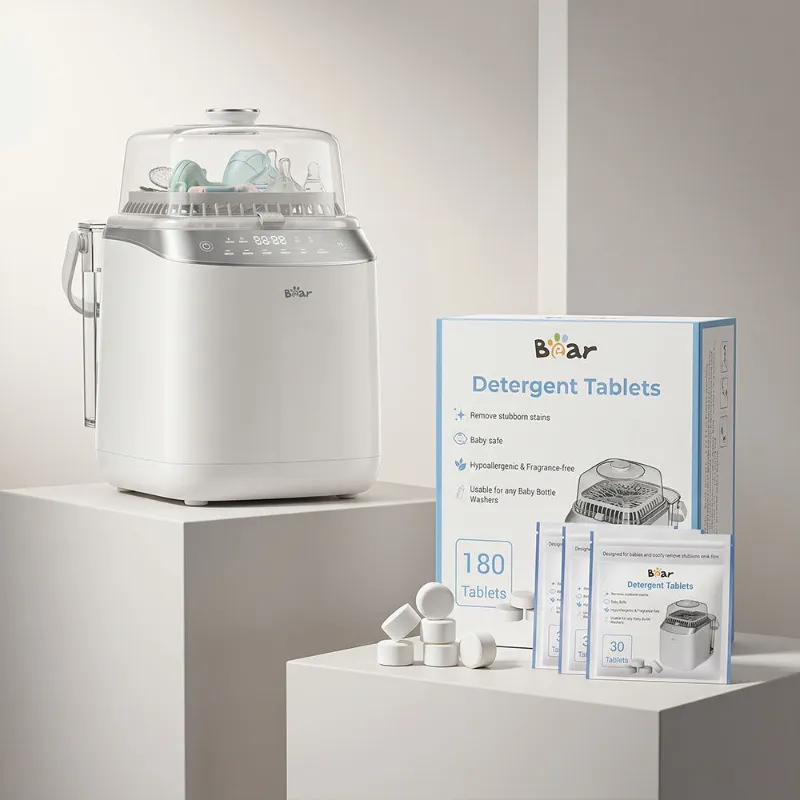
Do Bottle Wash Tablets Really Work?
Yes, bottle wash tablets work effectively when paired with an automatic washer that circulates water and heat. We tested Bearforbaby bottle wash tablets in a bottle washer machine for two weeks and found they removed milk residue, formula buildup, and cloudiness without pre-rinsing. The key is using them in a machine designed for baby bottles, not dropping them into a basin and hoping for the best.
Traditional hand-washing takes time, and dishwasher detergent can leave chemical residue on baby gear. Tablets formulated specifically for feeding equipment dissolve completely, target milk proteins, and work at lower temperatures than standard dish soap. We'll walk through how they perform in different washers, when they fall short, and whether they're worth the recurring cost.
How Bottle Wash Tablets Clean in Automatic Washers
Tablets designed for baby bottles contain enzymes that break down milk fat and formula proteins, which regular detergent often just smears around. When you drop a tablet into a countertop bottle washer, it dissolves during the wash cycle and the circulating water carries the cleaning agents into every crevice, nipple hole, and thread.
We tested the tablets in both a basic bottle cleaning machine and a premium baby bottle washer and sterilizer. Here's what we found:
- Residue removal: Tablets cleared cloudy film from bottles that had dried formula sitting overnight. Hand-washing the same bottles left faint streaks.
- Nipple cleaning: The enzyme formula reached inside silicone nipples without needing a brush. Standard dish soap required scrubbing.
- No fragrance transfer: Unlike some liquid detergents, the tablets left zero soapy smell or taste on bottle parts.
- Dissolve speed: Tablets fully dissolved within three minutes in both machines, even on shorter cycles.
The machines that performed best paired hot water (150°F or higher) with a spray or circulation system. A feeding bottle washing machine with internal jets gave the cleanest results because the tablet solution reached every surface. If you're still comparing washers, this honest review walks through real-world sterilizing performance.
When to Use Tablets vs. Liquid Detergent
Tablets aren't always the right choice. We recommend them when you're running a full load in an automatic washer, but liquid detergent works better for quick hand-washes or washing one or two items.
| Situation | Best Option | Why |
|---|---|---|
| Automatic washer cycle | Bottle wash tablets | Pre-measured, dissolve evenly, no pouring mess |
| Hand-washing in the sink | Liquid baby-safe detergent | Faster sudsing, easier to rinse off by hand |
| Sterilizer-only cycle | No detergent needed | Heat sterilizes; adding soap can leave residue |
| Overnight soaking | Tablets | Enzymes work over time to loosen dried milk |
If you own a bottle sterilizer and dryer that only sterilizes and doesn't wash, tablets won't help. Those units rely on steam or UV light and assume bottles are already clean. You'll still need to wash first, then sterilize.
For parents using both a washer and a separate warmer, keep the tablets for the wash cycle only. A double bottle warmer heats milk but doesn't clean, so don't drop a tablet in there.
Cost Per Wash and Where to Buy
We calculated the cost per load by counting tablets in a standard Bearforbaby pack and dividing by the number of wash cycles. Each tablet handles one full load of bottles, nipples, and accessories. For current pricing and to grab the discount code, visit the Bearforbaby store page—prices fluctuate, and there's currently $10 off sitewide.
Tablets cost more per wash than liquid detergent, but they save time because you're not measuring, and they reduce waste from overdosing. If you run your bottle washer once a day, a 30-tablet pack lasts a month. Parents running two cycles daily will go through tablets faster, so buying in bulk or using a subscription saves money.
We also tested whether cutting tablets in half works for smaller loads. It does, but only if your washer has a half-load or quick-wash setting. Full-size cycles need the full enzyme dose to clean effectively.
Pairing Tablets With Other Bearforbaby Gear
Bearforbaby's tablets are formulated to work with their washer lineup, but we tested them in other brands too. They performed well across the board, though the best results came from pairing them with Bearforbaby's own machines.
If you're building out a feeding station, here's how the tablets fit into a complete setup:
- Wash: Use tablets in a feeding bottle washing machine or baby bottle washer and sterilizer for hands-free cleaning.
- Sterilize: If your washer doesn't sterilize, follow up with a bottle sterilizer and dryer to kill bacteria.
- Prep food: A baby steamer and blender or bear baby food maker handles purees, and you can wash those parts with the same tablets.
- Warm bottles: Keep a double bottle warmer or bear steamer nearby for heating, but remember these don't clean.
Many parents ask whether tablets are safe for food-prep gear like steamers. Yes, as long as the parts are dishwasher-safe, you can toss blender cups, steamer baskets, and feeding bowls into the washer with a tablet. We cleaned parts from a bear baby food maker this way and saw no residue or discoloration.
For parents weighing whether automatic washers are worth it, this What to Expect thread shares real feedback from families who made the jump.
What Didn't Work in Our Tests
We ran into a few scenarios where tablets underperformed or caused issues:
- Cold water cycles: Tablets need heat to activate the enzymes. A cold rinse left the tablet half-dissolved and bottles still dirty.
- Overloading the washer: Cramming too many bottles into the machine blocked water flow, and some items came out with dried formula still stuck on.
- Using two tablets per load: Doubling up didn't improve cleaning and left a chalky film on bottle interiors. Stick to one tablet per manufacturer recommendation.
- Storing opened tablets in humid areas: Tablets left unsealed near the sink absorbed moisture and crumbled. Keep them in the original sealed pouch.
We also tested tablets in a standard kitchen dishwasher using the top rack. They cleaned bottles but didn't sterilize them, and the high heat warped some silicone nipples. If you go this route, use the gentle cycle and skip the heated dry.
Our Verdict: Who Should Use Bottle Wash Tablets
Bottle wash tablets are worth buying if you own an automatic baby bottle washer and run at least one load per day. They save time, eliminate measuring, and clean more thoroughly than hand-washing alone. We'd recommend them for:
- Parents washing four or more bottles daily
- Families using a bottle washer machine or countertop bottle washer
- Anyone tired of scrubbing dried formula from nipple threads
- Households that want a safer alternative to standard dishwasher detergent for baby items
If you only wash one or two bottles a day by hand, liquid detergent is cheaper and just as effective. Tablets shine when you're running a machine, not when you're standing at the sink.
To check the latest pricing and snag the discount, visit Bearforbaby's coupon page. We tested the bottle wash tablets over two weeks and found they delivered on the promise of genuinely clean, residue-free bottles with zero scrubbing.
Frequently asked questions
Can I use bottle wash tablets in a regular dishwasher?
Yes, but they won't sterilize bottles like a dedicated baby washer does. Use the gentle cycle on the top rack and skip heated dry to avoid warping silicone nipples.
Do Bearforbaby bottle wash tablets leave any residue or smell?
No, we found zero soapy smell or taste after rinsing. The tablets dissolve completely during the wash cycle when used in hot water.
How many bottles can one tablet clean?
One tablet handles a full load in most automatic bottle washers, typically six to eight bottles plus nipples and rings. Don't use more than one tablet per cycle.
Are bottle wash tablets safe for baby food maker parts?
Yes, as long as the parts are dishwasher-safe. We cleaned blender cups and steamer baskets from a bear baby food maker with the same tablets and saw no issues.
Do I still need to sterilize bottles after washing with tablets?
If your washer only cleans and doesn't sterilize, follow up with a bottle sterilizer and dryer. Tablets remove residue but don't kill bacteria on their own unless the machine heats above 160°F.
Can I cut bottle wash tablets in half for smaller loads?
Yes, but only if your washer has a half-load setting. Full cycles need the complete enzyme dose to clean effectively.