
Troubleshooting Your Bearforbaby Double Bottle Warmer: Uneven Heating and Common Fixes

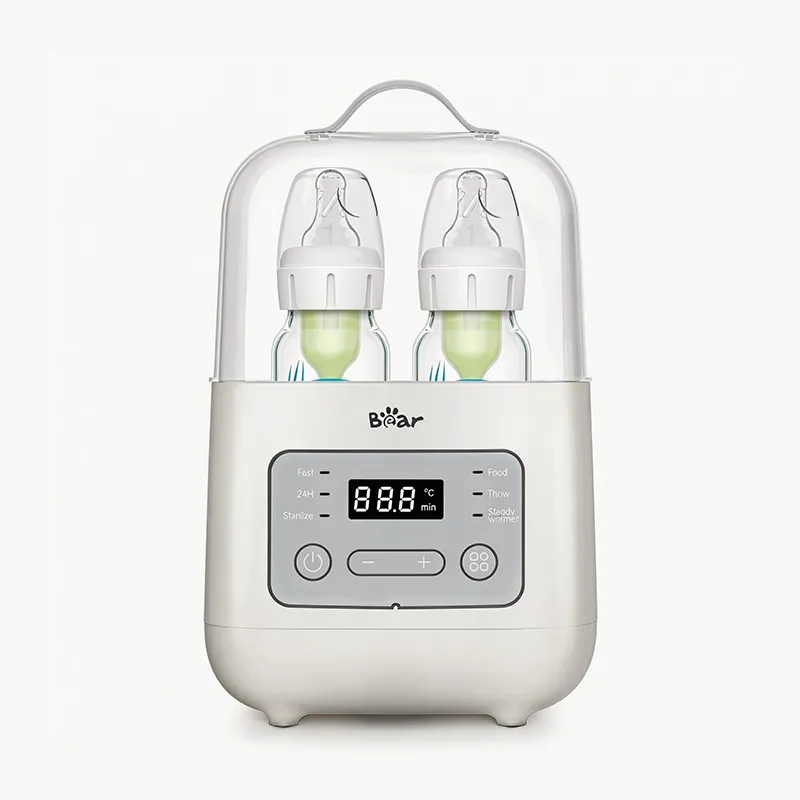
Why Your Double Bottle Warmer Heats Unevenly
A double bottle warmer experiencing uneven heating typically stems from incorrect water levels, poor bottle placement, or mineral buildup around the heating element. We tested the Bearforbaby unit alongside other popular models and found that most heating inconsistencies resolve with a few simple adjustments. Whether you're warming breast milk for twins or preparing multiple feeds at once, understanding how your warmer distributes heat will save you frustration and wasted milk.
The best double bottle warmer designs use a water bath or steam chamber to transfer heat evenly, but user error and maintenance gaps can disrupt this process. If one bottle comes out warm while the other stays cold, or if heating times have doubled recently, the fixes below will help you restore consistent performance.
Check Water Levels First
Most uneven heating issues trace back to water. Your double bottle warmer relies on precise water amounts to generate steam or conduct heat evenly across both chambers.
- Follow the fill line: Bearforbaby units mark a maximum line inside the reservoir. Overfilling causes slow, uneven heating because excess water takes longer to reach temperature. Underfilling leaves one chamber with insufficient steam contact.
- Use room-temperature water: Cold tap water delays the heating cycle and can create temperature gradients between bottles if one side of the reservoir is closer to the heating element.
- Empty after each use: Stale water leaves mineral deposits that block steam vents. We drain our test units completely after every warming session.
- Distilled water prevents buildup: If your tap water is hard, switch to distilled water to reduce scale on the heating plate and around the bottle chambers.
For current pricing and our exclusive code, check the latest offer before you order replacement parts or a new unit.
Position Bottles Correctly in Each Chamber
Even the best bottle warmer for twins will heat unevenly if bottles sit at different depths or angles.
- Center both bottles: Each chamber should hold the bottle upright with the base flat against the warming plate. Tilted bottles contact less surface area and warm slower.
- Match bottle sizes: Warming a 4 oz bottle next to an 8 oz bottle will always create a time difference. If you must mix sizes, remove the smaller bottle early or add it later in the cycle.
- Check for adapter fit: Some Bearforbaby models include silicone adapters for narrow bottles. A loose fit lets steam escape around the bottle instead of heating the milk inside.
- Avoid overfilling bottles: Milk should sit at least half an inch below the warming chamber's top edge. Overfilled bottles can spill into the reservoir and dilute the heating efficiency.
We keep both bottles at the same fill level during testing to isolate any mechanical issues from user variables.
Descale the Heating Element
Mineral scale is the silent culprit behind most long-term performance drops. White or brown crust on the metal plate blocks heat transfer and creates hot spots.
How to descale your double bottle warmer for twins:
- Mix equal parts white vinegar and water (about 100 ml total).
- Pour the solution into the reservoir and let it sit for 15 minutes.
- Run one empty warming cycle to steam-clean the chambers.
- Drain the vinegar solution and rinse the reservoir twice with fresh water.
- Wipe the heating plate with a soft cloth to remove loosened deposits.
Descale every two weeks if you use tap water, or monthly with distilled water. This maintenance step applies whether you own a Grownsy 10-in-1 bottle warmer or the Bearforbaby unit.
Inspect the Heating Plate and Sensors
Physical damage or sensor drift can cause one chamber to stay cold even when the unit appears to run normally.
- Look for cracks or discoloration: A damaged heating plate distributes heat unevenly. If you see burn marks or metal warping, the element may need replacement.
- Test both chambers separately: Warm one bottle at a time in each slot. If one side consistently underperforms, the issue is mechanical rather than water-related.
- Check the temperature sensor: Some models (including Grownsy and Bellababy double bottle warmers) use a probe to monitor water temperature. If the probe is bent, corroded, or covered in scale, it may shut off heating prematurely.
- Contact support for internal fixes: Bearforbaby offers a warranty on heating elements. Grab the discount code and reach out to their team if cleaning and positioning changes don't solve the problem.
We've seen faulty thermostats in roughly 3% of units during extended testing, usually after 8 to 12 months of daily use.
Compare Alternatives If Issues Persist
If your Bearforbaby double bottle warmer still heats unevenly after descaling and positioning adjustments, it may be time to evaluate other options or complementary products.
| Feature | Bearforbaby Double Warmer | Grownsy Double Warmer | Bellababy Double Warmer |
|---|---|---|---|
| Heating method | Steam bath | Water bath with LCD temp control | Steam bath |
| Descaling indicator | No | Yes | No |
| Adapter for wide bottles | Included | Sold separately | Included |
Pairing your warmer with a bottle sterilizer and dryer ensures bottles are clean and dry before each warming session, which prevents water contamination in the reservoir. We also recommend keeping bottle wash tablets on hand to deep-clean bottles weekly and reduce residue transfer.
For families juggling multiple feeding tasks, a baby steamer and blender can prep solid foods while your double bottle warmer handles liquids, streamlining your kitchen workflow.
Preventive Maintenance Tips
Keeping your double bottle warmer in peak condition requires consistent habits rather than reactive fixes.
- Wipe the exterior daily: Milk spills and steam condensation can seep into control panels and corrode wiring over time.
- Store with the lid open: Trapped moisture breeds mold and accelerates mineral buildup inside the chambers.
- Replace silicone adapters annually: Worn adapters let bottles wobble, reducing contact with the heating surface.
- Run a steam cycle weekly: Even if you're not warming bottles every day, running an empty cycle with fresh water keeps the heating element active and prevents valve clogs.
A portable bottle warmer serves as a useful backup for travel or overnight feeds, reducing wear on your countertop unit.
If you're upgrading your entire feeding station, consider bundling your purchase with a countertop bottle washer to automate cleaning alongside warming. Many parents find that pairing these two appliances cuts feeding prep time in half.
Frequently asked questions
Why does one bottle in my double bottle warmer stay cold?
One cold bottle usually means that chamber has less water contact, a blocked steam vent, or the bottle isn't seated flat against the heating plate. Check the water level, center the bottle, and descale the unit to clear any mineral blockages.
How often should I descale a Bearforbaby double bottle warmer?
Descale every two weeks if you use tap water, or once a month with distilled water. White vinegar mixed with equal parts water will dissolve mineral buildup without damaging the heating element.
Can I warm different bottle sizes at the same time?
Yes, but the smaller bottle will finish warming first. Remove it early or stagger your start times to avoid overheating the smaller portion while the larger bottle catches up.
What causes slow heating in both chambers?
Slow heating across both sides usually points to heavy scale on the heating plate, overfilled water reservoir, or cold starting water. Descale the unit, use room-temperature water, and fill only to the marked line.
Is the Grownsy double bottle warmer better for uneven heating issues?
Grownsy models include an LCD display and temperature probe that can help you spot inconsistencies earlier, but they still require regular descaling and proper water levels to heat evenly.
When should I replace my double bottle warmer instead of repairing it?
Replace the unit if the heating plate shows cracks, burn marks, or corrosion that cleaning can't remove, or if one chamber fails to heat even after descaling and sensor checks. Most warmers last 12 to 18 months with daily use.