

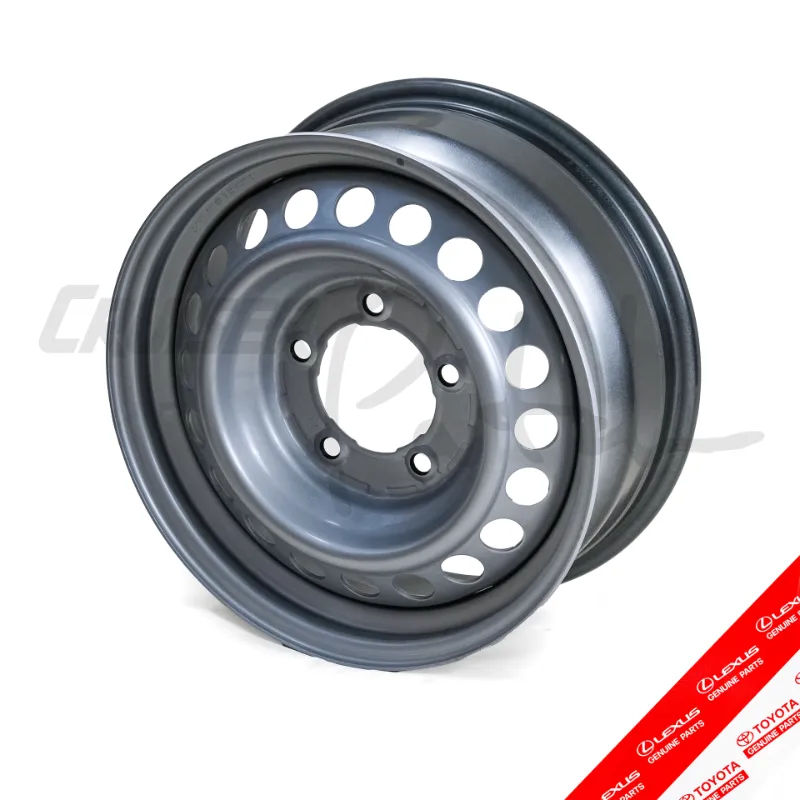
Why 5X150 Bolt Pattern Wheels Matter for Tundra and Sequoia Owners
5x150 bolt pattern wheels are the factory fitment for second-generation Toyota Tundra (2007–2024) and second-generation Sequoia (2008–2024) models. This unique five-lug pattern with 150 mm spacing between opposing studs ensures proper load distribution for these full-size trucks. Whether you're upgrading to aftermarket wheels for off-road capability or simply refreshing your look, understanding offset, hub bore, and material is critical to avoid vibration, rubbing, or brake clearance issues.
We tested dozens of aftermarket options and compared specs across popular brands to help you pick the right wheels without trial and error. Check our discount code to save on your next wheel purchase.
What Size and Offset Work Best
Most Tundra and Sequoia owners run 17-inch to 20-inch wheels, with 18-inch being the sweet spot for off-road builds. Factory offset ranges from +30 mm to +60 mm depending on trim, so aftermarket wheels between +20 mm and +45 mm typically fit without modifications.
Key fitment specs to confirm:
- Hub bore: 110 mm is Toyota's standard. Wheels with a larger bore require hub-centric rings to prevent vibration.
- Offset: lower offsets (0 to +20 mm) push the wheel outward for a wider stance but may require fender trimming or leveling.
- Load rating: full-size trucks need wheels rated for at least 2,500 lbs per corner.
- Brake clearance: verify the wheel clears OEM or upgraded brake calipers, especially on TRD Pro or aftermarket big-brake kits.
If you're lifting your truck, a zero or negative offset wheel pairs well with 33-inch to 35-inch tires. Stock-height builds typically stay in the +25 mm to +45 mm range to avoid excessive poke.
Materials and Construction: Alloy vs Steel
Aftermarket 5x150 bolt pattern wheels come in three main materials, each with specific trade-offs for weight, durability, and cost.
| Material | Weight | Durability | Best For |
|---|---|---|---|
| Cast aluminum alloy | Light | Moderate | Daily driving, highway, light off-road |
| Flow-formed alloy | Lighter | High | Performance, weight-sensitive builds |
| Steel | Heavy | Very high | Extreme rock crawling, budget builds |
Cast aluminum wheels dominate the aftermarket because they balance cost and weight. Flow-formed (also called rotary-forged) wheels are lighter and stronger but cost 30 to 50 percent more. Steel wheels are the cheapest and nearly indestructible under impacts, but the added unsprung weight reduces ride quality and acceleration.
For mixed-use trucks that see highway commuting and weekend trails, we recommend flow-formed alloy in the 17-inch or 18-inch diameter. Grab the code to offset the premium.
Popular Brands and What They Offer
Several manufacturers produce quality wheels specifically engineered for the 5x150 pattern. Method Race Wheels, Black Rhino, Fuel Off-Road, and Icon Alloys all offer dedicated Tundra and Sequoia fitments with proper load ratings.
What to look for:
- Method 305 and 702: lightweight options with zero to +18 mm offset, ideal for leveled or lifted trucks.
- Black Rhino Armory and Arsenal: aggressive split-spoke designs with +12 mm to +25 mm offset.
- Fuel Anza and Rebel: bold styling, typically +1 mm to +20 mm offset for a flush or aggressive stance.
- Icon Rebound and Compression: truck-specific engineering with hub-centric fit and proper load capacity.
Avoid universal multi-lug patterns marketed as fitting "6x135 / 6x139.7 / 5x150" unless the seller confirms Toyota-specific hub rings and load ratings. Generic wheels often lack proper centering and may not clear Tundra brake calipers.
Installing 5X150 Bolt Pattern Wheels: Torque and Hardware
Proper installation prevents wheel wobble, stud damage, and safety issues. Toyota specifies 97 to 123 lb-ft of torque for wheel lug nuts on Tundra and Sequoia models, and most aftermarket wheels use the same range.
Installation checklist:
- Clean the hub face and wheel mounting surface to remove rust, dirt, or debris.
- Install hub-centric rings if the wheel bore exceeds 110 mm.
- Hand-tighten lug nuts in a star pattern before lowering the vehicle.
- Torque to 100 lb-ft in three stages (30 lb-ft, 60 lb-ft, 100 lb-ft) using a calibrated torque wrench.
- Re-torque after the first 50 miles and inspect monthly.
Aftermarket lug nuts must match your wheel seat type: conical (60-degree cone), ball seat (spherical), or flat seat with a washer. Mixing seat styles causes loose wheels and vibration. Most aftermarket wheels use conical seat lugs, but verify with the manufacturer's specs.
Who Should Upgrade and Who Should Wait
5x150 bolt pattern wheels make sense if you're lifting your truck, running larger tires, or replacing damaged OEM wheels. Aftermarket wheels also let you fine-tune stance and style in ways factory wheels can't.
Upgrade if:
- You're installing a leveling kit or suspension lift and need better tire clearance.
- Your OEM wheels are curbed, cracked, or cosmetically damaged.
- You want a specific offset to achieve a flush or aggressive fitment.
- You're building an off-road rig and need lighter, stronger wheels.
Stick with OEM if:
- Your truck is stock height with factory tires and you're satisfied with the look.
- You prioritize resale value and want to keep all original components.
- Budget is tight and the current wheels are in good condition.
For buyers upgrading, check the latest pricing here and compare load ratings before committing to a specific brand.
Final Fit and Tire Pairing
Wheel diameter, width, and offset work together with tire size to determine final fitment. A common Tundra off-road setup pairs 18x9-inch wheels with +0 mm offset and 295/70R18 tires (roughly 34 inches tall). This combo typically requires a 2.5-inch to 3-inch level or lift and minor fender trimming.
Stock-height builds usually run 18x8-inch wheels with +35 mm offset and 275/65R18 or 275/70R18 tires. This avoids rubbing at full lock and maintains factory ride quality.
Before ordering, measure your current setup or consult a fitment calculator to visualize how offset and width affect stance. Most reputable wheel retailers offer free fitment advice and will confirm clearance for your specific year, trim, and suspension modifications.
 Shopping at Cruiser Patch? See today's verified Cruiser Patch discount code
Frequently asked questions
Will 5x150 bolt pattern wheels from a Tundra fit a Sequoia?
Yes, second-generation Tundra and Sequoia share the same 5x150 bolt pattern, 110 mm hub bore, and load requirements. Wheels are fully interchangeable between these models as long as offset and tire size suit your suspension setup.
What offset should I choose for a leveled Tundra?
Most leveled Tundra builds run +0 mm to +25 mm offset wheels to fill the fenders without excessive poke. Lower offsets provide a wider stance but may require trimming depending on tire size.
Do I need hub-centric rings for aftermarket wheels?
If your aftermarket wheel has a hub bore larger than Toyota's 110 mm, you need hub-centric rings to center the wheel properly and prevent vibration. Rings are inexpensive and critical for smooth operation.
Can I run 20-inch wheels off-road?
You can, but 18-inch wheels are better for off-road use because they allow taller sidewalls, which improve ride comfort, puncture resistance, and flexibility over rocks. Larger wheels reduce sidewall height and increase the risk of rim damage.
What is the maximum tire size on stock wheels without a lift?
On stock suspension, most Tundra and Sequoia models fit up to 275/70R18 or 285/65R18 tires without rubbing. Anything larger typically requires at least a leveling kit and may need minor fender trimming at full steering lock.
Are steel wheels better than alloy for rock crawling?
Steel wheels are tougher and cheaper to replace if damaged, making them popular for extreme rock crawling. However, they add significant unsprung weight, which reduces handling and ride quality. Flow-formed alloy offers a good compromise of strength and weight.