
Best Electric Scooters for Kids: Safety Features Every Parent Should Check

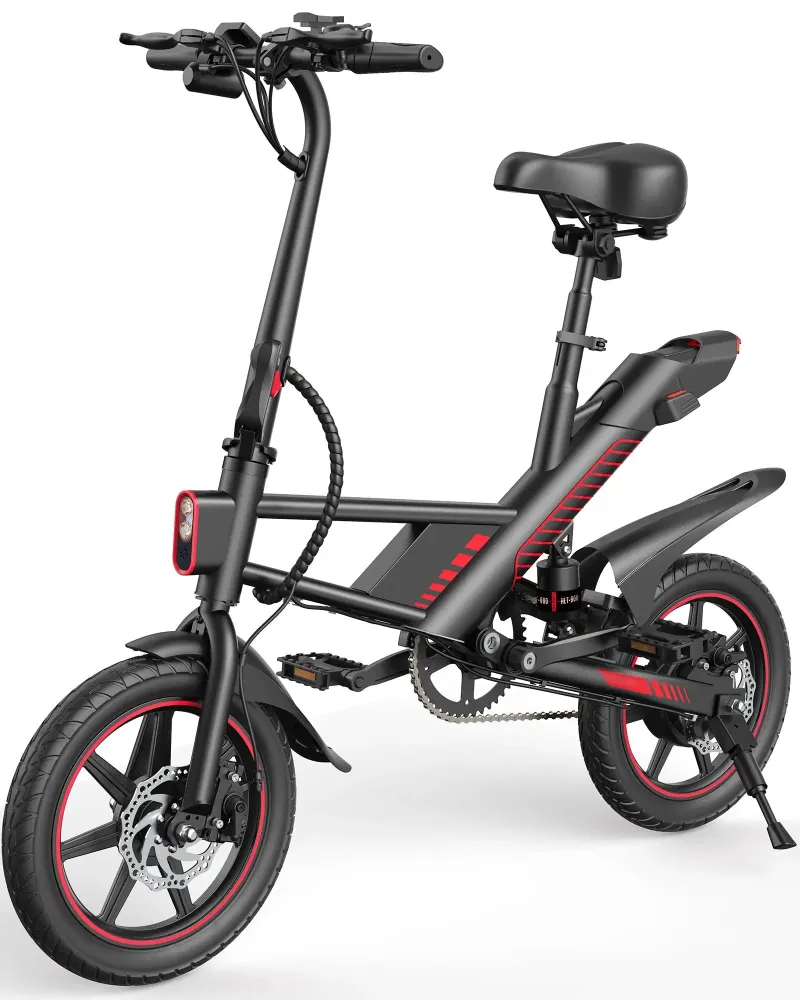
Budget friendly electric scooters give kids an exciting way to explore the neighborhood while parents maintain peace of mind through proper safety features. Whether you're considering a childs e scooter for a younger rider or something faster for a teen, understanding which protections matter most will help you choose confidently.
Essential Safety Features in Budget Friendly Electric Scooters
The most critical safety element in any electric scooter is a reliable braking system. We recommend dual braking setups that combine electronic and mechanical brakes, giving riders two independent ways to stop. Electronic brakes engage the motor to slow down gradually, while hand or foot brakes provide immediate stopping power in emergencies. Many budget friendly electric scooters now include both types even at lower price points.
Speed limiting is another must-have for younger riders. Look for models with adjustable speed modes that let you cap the maximum velocity as your child builds confidence. Beginner modes typically max out around 6 to 10 mph, while intermediate settings allow 12 to 15 mph for more experienced riders. Some parents start their kids on a childs e scooter with strict speed controls before graduating to faster options.
Weight capacity matters more than most parents realize. A scooter rated for 120 pounds will handle differently when a 110-pound rider is aboard versus a 60-pound child. Choose a model rated at least 40 pounds above your child's current weight to ensure stable handling and proper brake performance. You can check the latest specs and pricing for models that match your child's size.
Frame Construction and Build Quality
Aluminum alloy frames offer the best balance of durability and weight for young riders. Steel frames add unnecessary bulk, while cheap plastic housings crack under regular use. We test scooters for weld quality, handlebar stability, and deck flex. A solid deck should feel rigid when you press down hard, not spongy or wobbly.
Wide decks provide better stability for kids still developing balance. Look for platforms at least 5 to 6 inches wide with textured grip tape that stays effective even when wet. Narrower racing-style decks work for teens and adults (like those on an e scooter for adults), but younger children need that extra surface area.
The folding mechanism is a common failure point in budget models. Test the latch several times in the store or immediately upon delivery. It should lock firmly without wiggle and release smoothly without requiring excessive force. A wobbly stem creates dangerous handling, especially at higher speeds.
Lighting and Visibility Requirements
Front LED lights and rear brake lights are non-negotiable for any scooter that might be ridden near dusk. Many accidents happen because drivers simply don't see small riders. Bright front lights (at least 200 lumens) help your child spot obstacles, while red tail lights alert others to their presence.
Reflective strips on the deck sides and stem add passive visibility. Some models include lights in the wheels or under the deck for extra flair, which doubles as a safety feature. When comparing options like the gt54 pro against other models, check whether lights run off the main battery or require separate cells that can die unexpectedly.
We also recommend adding a helmet with integrated lights or reflective stickers, plus a bright safety vest for early morning or evening rides. The scooter's built-in lights are a foundation, not the complete solution.
Age-Appropriate Speed and Power
| Age Range | Max Speed | Motor Power | Best For |
|---|---|---|---|
| 6-8 years | 6-10 mph | 100-150W | Learning balance and control |
| 9-12 years | 10-15 mph | 150-250W | Neighborhood riding |
| 13+ years | 15-20 mph | 250-500W | Longer commutes and hills |
Matching power to age prevents both frustration and danger. A 7-year-old on a high-power commuter electric scooter faces too much speed too soon, while a teenager on an underpowered kids' model will quickly outgrow it. For families with multiple children or those wanting a scooter that grows with the rider, adjustable speed modes offer the best value.
Battery range affects safety indirectly. A scooter that dies mid-ride leaves kids stranded or forces them into traffic while walking it home. Look for at least 6 to 8 miles of realistic range for neighborhood use, more if your child will ride to school or friends' houses. Real-world range runs about 70 percent of manufacturer claims, so budget accordingly.
Tire Type and Terrain Handling
Pneumatic (air-filled) tires absorb bumps and cracks better than solid rubber, making rides smoother and safer on imperfect pavement. The tradeoff is occasional flat tires, though many best electric scooters for teens now use puncture-resistant tubes that minimize this issue. Solid tires require zero maintenance but transmit every jolt directly to the rider, which can cause loss of control on rough surfaces.
Tire size matters for stability. Larger 8-inch or 10-inch wheels roll over obstacles more easily than 6-inch wheels, reducing the risk of sudden stops that pitch riders forward. If your neighborhood has cracked sidewalks or gravel paths, prioritize bigger pneumatic tires.
Some families exploring alternatives consider options like a cheap electric bike or even a 3 wheel motorcycle for older teens who need more stability. These provide different safety profiles, with bikes offering better balance at speed and three-wheelers adding inherent stability for less confident riders.
Smart Features and Parental Controls
App connectivity lets parents monitor speed, location, and battery life in real time. Geofencing features alert you if the scooter leaves a designated area, while speed caps can be adjusted remotely. Not every budget model includes these features, but they're becoming more common as prices drop.
Kickstart requirements prevent accidental throttle activation. The scooter only engages the motor after the rider pushes off manually, eliminating the risk of sudden acceleration while mounting or dismounting. This simple feature prevents numerous beginner accidents.
Before you buy, grab the current discount code to save on whichever model fits your child's needs. We test dozens of scooters each year, focusing on real-world safety rather than marketing claims, and we update our recommendations as better budget options emerge.
Maintenance and Safety Checks
Weekly inspections take five minutes and prevent most mechanical failures. Check brake responsiveness, tire pressure (for pneumatic tires), handlebar tightness, and folding mechanism security. Teach your child to do a quick pre-ride check for lights, brakes, and any unusual sounds.
Battery care extends both safety and lifespan. Avoid leaving scooters in extreme heat or cold, and store them with a 50 to 80 percent charge for optimal cell health. Damaged batteries can overheat or fail suddenly, so replace any battery that shows swelling, leaking, or dramatically reduced range.
Helmet use is the single most important safety measure, yet it's external to the scooter itself. Insist on a properly fitted, CPSC-certified helmet for every ride, no exceptions. Wrist guards and knee pads add protection during the learning phase, especially for younger or more cautious kids.
Choosing budget friendly electric scooters for your child means balancing cost against the safety features that truly matter. Focus on reliable brakes, appropriate speed limits, solid construction, and good visibility rather than flashy extras. The right scooter will give your child independence while giving you confidence they're riding something built to protect them.
Frequently asked questions
What is the safest speed for a child's first electric scooter?
For kids ages 6 to 8, we recommend starting with 6 to 10 mph maximum speed. This gives them enough momentum to balance properly while allowing plenty of reaction time. Look for budget friendly electric scooters with adjustable speed modes so you can increase limits as their skills improve.
Do cheap electric scooters have reliable brakes?
Many budget models now include dual braking systems with both electronic and mechanical brakes. Always test brake responsiveness before the first real ride, and avoid scooters that rely on a single rear fender brake, which wears out quickly and provides poor stopping power.
Should I buy a scooter with air-filled or solid tires for my child?
Air-filled (pneumatic) tires offer better shock absorption and control, especially on cracked pavement or rough surfaces. Solid tires require zero maintenance but make rides bumpier and can reduce traction. For safety, we prefer pneumatic tires unless your child rides exclusively on perfectly smooth paths.
How do I know if a scooter's weight limit is safe for my child?
Choose a scooter rated at least 40 pounds above your child's current weight. This ensures the brakes, motor, and frame perform as designed. A scooter near its maximum capacity will have sluggish acceleration, longer stopping distances, and faster wear on components.
Are lights and reflectors really necessary on a kids' scooter?
Yes. Front LED lights and rear brake lights are essential for visibility, especially during morning or evening rides. Many accidents happen because drivers don't see small riders. Even if your child rides during daylight, unexpected delays can leave them riding in dim conditions.
What maintenance does a childs e scooter need?
Check brakes, tire pressure, and handlebar tightness weekly. Keep the battery charged between 50 and 80 percent when storing, and wipe down the scooter after wet or muddy rides. Replace worn brake pads or damaged tires immediately, as these directly affect safety.