
DIY Small Motorcycle Kit Assembly: Tools, Time, and Skill Level Required

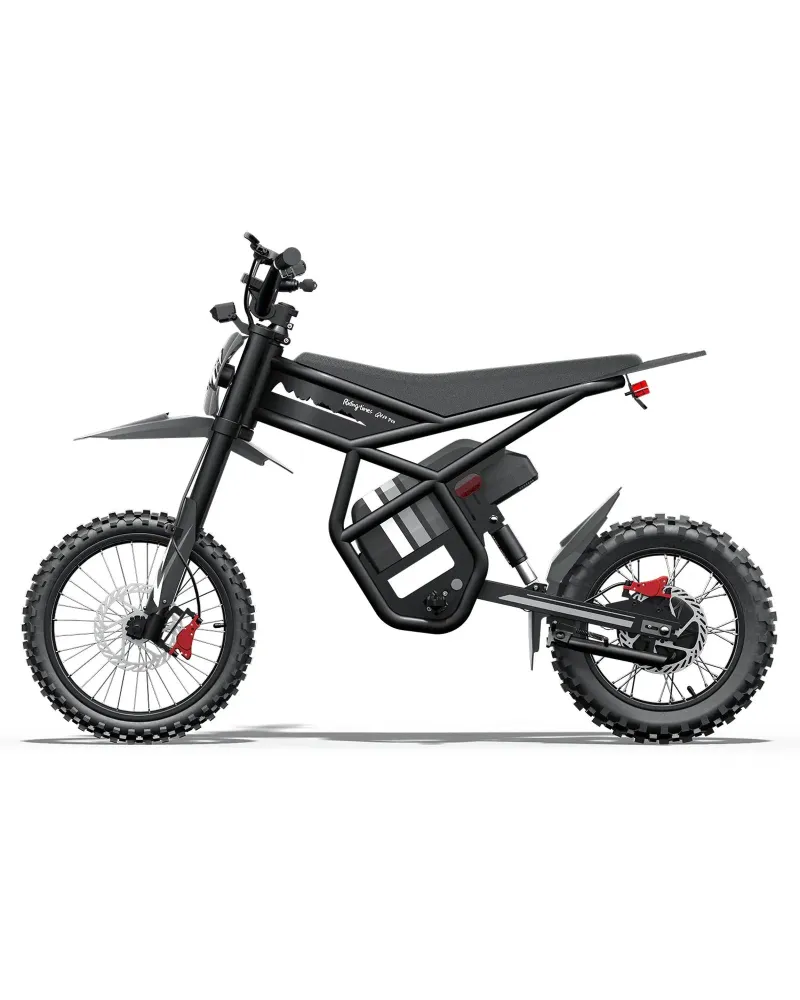
A diy small motorcycle kit requires basic hand tools, 4 to 8 hours of assembly time, and intermediate mechanical skills to complete safely. Whether you're building a diy small motorcycle kit from scratch or stepping up from a commuter electric scooter, understanding what's involved before you start saves frustration and ensures a rideable result.
We've tested dozens of motorized builds and smaller alternatives like the e scooter for adults and cheap electric bike. In this guide, we'll walk you through the exact tools, realistic time commitment, and skill benchmarks you need to tackle a small motorcycle kit with confidence.
What Comes in a Small Motorcycle Kit
Most kits ship with a partially assembled frame, engine or motor unit, wheels, handlebars, seat, and a hardware bag. You'll typically need to mount the motor, attach the wheels and brakes, connect throttle and ignition wiring, install the seat and fuel tank (for gas engines), and adjust chain tension or belt alignment.
Higher-end kits include detailed instructions and pre-drilled mounting points. Budget options may require minor fabrication or drilling. If you've built flat-pack furniture or worked on bicycles, the process will feel familiar but with tighter tolerances and heavier components.
Essential Tools for DIY Motorcycle Kit Assembly
Plan to have these on hand before you unpack the kit:
- Socket set (metric, 8 mm to 19 mm most common)
- Combination wrenches (matching your socket sizes)
- Allen key set (4 mm, 5 mm, 6 mm, 8 mm)
- Adjustable wrench for oddball fasteners
- Screwdriver set (Phillips and flat-head)
- Torque wrench (critical for engine mounts and axle nuts)
- Pliers (needle-nose and standard)
- Wire cutters and crimpers for electrical connections
- Cable ties to route wiring cleanly
- Threadlocker (blue Loctite) for vibration-prone bolts
Optional but helpful: a workbench or motorcycle stand, rubber mallet, chain breaker tool, and a multimeter for testing electrical continuity. If you're comparing this to simpler builds, note that a budget friendly electric scooters setup usually needs only hex keys and a screwdriver.
Time Commitment: What to Expect
First-time builders should budget 6 to 8 hours spread over a weekend. Experienced mechanics or those with prior kit experience can finish in 4 to 5 hours. Breaking the work into stages helps:
- Frame and motor installation (2 to 3 hours): mount the engine, align the chain or belt, and secure motor mounts to manufacturer torque specs.
- Wheels, brakes, and suspension (1.5 to 2 hours): install front and rear wheels, attach brake calipers, bleed hydraulic lines if needed, and check spoke tension.
- Electrical and controls (1 to 2 hours): connect throttle, brake switches, ignition, and lights; test each circuit before final routing.
- Final assembly and adjustment (1 to 1.5 hours): mount the seat and tank, adjust chain tension, set handlebar position, and perform safety checks.
Rushing any stage increases the risk of loose fasteners or misaligned components. If you want a quicker ride-ready option, a fast electric cycle or electric scooter with seat arrives nearly complete and rolls in under an hour.
Skill Level: Can Beginners Build a Motorcycle Kit?
We rate diy small motorcycle kit assembly as intermediate. You don't need professional mechanic training, but you should be comfortable reading technical diagrams, measuring tolerances, and troubleshooting basic mechanical issues.
Skills that help
- Mechanical aptitude: understanding how chains, sprockets, and brakes interact
- Electrical basics: identifying positive and negative leads, crimping connectors, testing circuits
- Precision: torquing bolts to spec, aligning wheels, and adjusting cable tension
- Problem-solving: adapting when instructions are unclear or parts don't fit perfectly on the first try
If you've assembled a 125cc bikes dirt from a kit or rebuilt a bicycle drivetrain, you'll have the foundational skills. Complete beginners may find the learning curve steep but manageable with patience and online video support. For a gentler introduction to motorized transport, the gt54 pro offers plug-and-ride simplicity.
Common Challenges and How to Avoid Them
We see four recurring issues in DIY motorcycle builds:
| Challenge | Solution |
|---|---|
| Loose or missing hardware | Inventory all parts before starting; order replacements early if needed |
| Misaligned chain or belt | Use a straight-edge to align sprockets; adjust tension to manufacturer spec (usually 10-15 mm deflection) |
| Electrical gremlins | Label every wire before disconnecting; test continuity at each connection point |
| Unclear instructions | Search the kit model number on YouTube; builder communities often post walkthroughs |
Double-check torque specs for critical fasteners like axle nuts, motor mounts, and brake calipers. Over-tightening can strip threads; under-tightening risks parts coming loose under vibration. Apply blue threadlocker to bolts that see high stress or vibration.
Comparing Build Complexity Across Ride Types
If you're weighing whether a motorcycle kit is the right project, here's how it stacks up against related builds:
- DIY small motorcycle kit: 6-8 hours, intermediate skill, requires torque wrench and electrical work
- Cheapest electric cycles: 30-60 minutes, beginner-friendly, mostly pre-assembled
- 3 wheel motorcycle: similar to motorcycle kit but with added stability; slightly longer assembly for extra wheel
- Childs e scooter: 15-20 minutes, no tools beyond an Allen key, ideal for first-time assemblers
Motorcycle kits reward the extra effort with customization options, hands-on learning, and often better long-term repairability. If you value the build experience and want to understand every component, the time investment pays off.
Where to Find Discount Codes and Current Pricing
Kit prices vary widely based on engine size, frame material, and included accessories. We track the latest offers and verified codes on our Gyroor Board discount page, where you'll currently find 5% off all orders. Checking that page before you buy ensures you're getting the best available deal without hunting across multiple sites.
For anyone comparing motorized options, we also feature pricing updates on alternatives like the electric scooter with seat and other compact rides. Grab the code and apply it at checkout to save on your next build or ride.
Safety Checks Before Your First Ride
Once assembly is complete, run through these checks:
- Brake function: both front and rear should engage smoothly with no sponginess
- Throttle return: twist grip should snap back to idle position without sticking
- Chain or belt tension: correct deflection per manual, no tight or loose spots
- Fastener tightness: re-check all critical bolts with your torque wrench
- Lighting and signals: test headlight, taillight, brake light, and turn signals if equipped
- Fuel or battery: verify no leaks (gas engines) or secure connections (electric)
Take a slow test ride in a safe, traffic-free area. Listen for unusual noises, check for vibrations, and confirm smooth acceleration and braking. After the first 20 to 30 minutes of riding, re-torque key fasteners as parts settle under load.
Building a diy small motorcycle kit is a weekend project that delivers a custom ride and deep mechanical knowledge. With the right tools, realistic time expectations, and intermediate skills, you'll have a rolling machine ready for the road. If you want to skip straight to riding, our tested alternatives like the commuter electric scooter offer proven performance out of the box.
Frequently asked questions
How long does it take to assemble a diy small motorcycle kit?
First-time builders typically need 6 to 8 hours spread over a weekend. Experienced mechanics can complete assembly in 4 to 5 hours if they work efficiently and encounter no missing parts.
Do I need special tools to build a motorcycle kit?
You'll need a metric socket set, combination wrenches, Allen keys, and a torque wrench for critical fasteners. Most kits don't require welding or fabrication, but a torque wrench is essential for safe assembly.
Can a beginner with no mechanic experience build a motorcycle kit?
We rate it as intermediate difficulty. Complete beginners can succeed with patience and video guides, but prior experience with bicycles, small engines, or electrical work makes the process much smoother.
What are the most common mistakes when building a small motorcycle kit?
The biggest issues are skipping torque specs, misaligning the chain or belt, and rushing electrical connections. Taking time to measure, test, and double-check fasteners prevents most problems.
Are electric scooter kits easier to assemble than motorcycle kits?
Yes. Most electric scooters like the gt54 pro arrive nearly complete and require only handlebar attachment and basic adjustments, usually taking under an hour with minimal tools.
Where can I find discount codes for motorcycle kits and parts?
Check our Gyroor Board discount page for current verified codes. Right now there's 5% off all orders, and we update that page whenever new offers go live.