
How to Choose Between an Electric Scooter and Electric Cycle for Your Commute

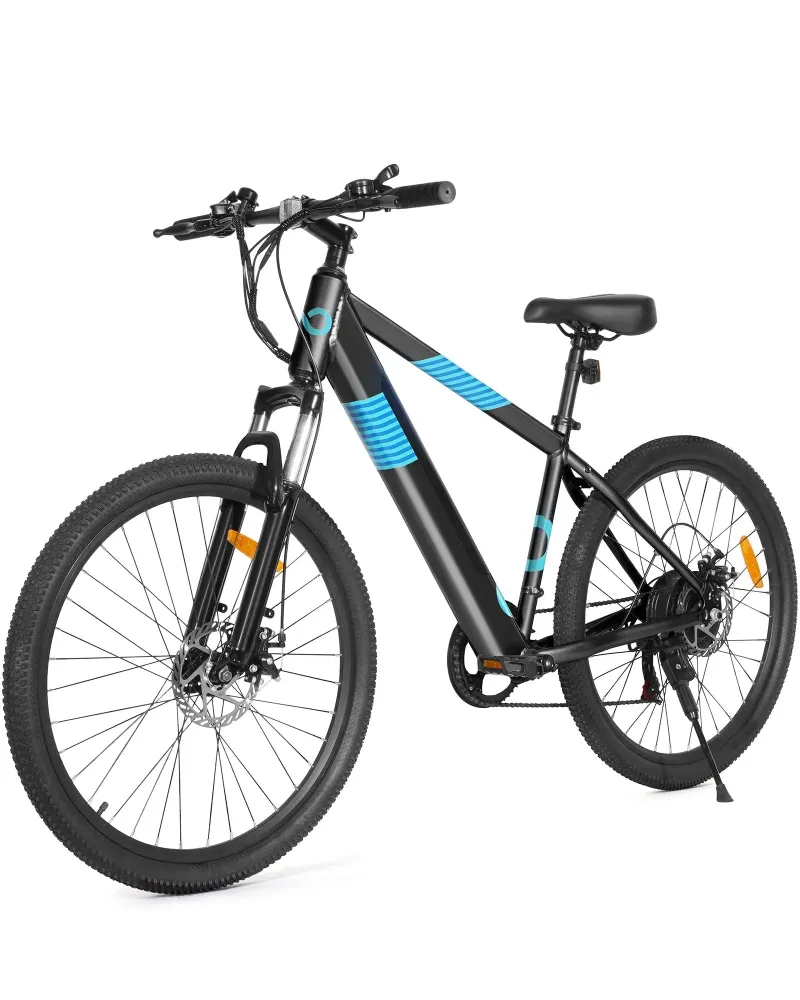
Fast Electric Cycle vs Electric Scooter: Which Wins for Commuting?
A fast electric cycle typically delivers higher top speeds, longer range, and better stability for longer commutes, while an electric scooter excels in portability, quick storage, and last-mile convenience. Your choice depends on commute distance, speed needs, storage space, and whether you'll combine your ride with public transit. We've tested both categories extensively, and in this guide we'll walk you through the real-world trade-offs so you can pick the right option for your daily routine.
Both options cut commute costs and reduce your carbon footprint, but they solve different problems. Let's break down the key factors that matter most.
Speed and Range: Where Fast Electric Cycles Pull Ahead
Electric cycles generally offer higher top speeds and significantly longer range per charge. A fast electric cycle can sustain 28 to 35 mph on most models, with premium builds pushing toward 50 mph or more. Range often spans 30 to 60 miles depending on battery capacity and rider weight, making them ideal for commutes over five miles.
Electric scooters typically cap out at 15 to 25 mph for consumer models, though performance options like the gt54 pro can reach higher speeds. Range sits between 15 and 30 miles for most commuter electric scooter models. If your commute exceeds ten miles one way or includes highway-adjacent roads, an electric cycle provides the speed and endurance you need.
For shoppers hunting the fastest e-bike under $1000, check the latest price on our store page to compare current specs and availability across budget tiers.
Portability and Storage: Electric Scooters Win for Tight Spaces
Electric scooters fold in seconds and weigh between 25 and 45 pounds, making them easy to carry onto buses, store under desks, or tuck into apartment corners. An electric scooter with seat adds comfort without sacrificing the fold-and-go convenience that defines the category.
Electric cycles require dedicated bike racks or storage rooms. Even folding e-bike models are heavier and bulkier than scooters. If you live in a walk-up, share a small apartment, or rely on mixed-mode commuting (scooter plus train), portability becomes the deciding factor. A budget friendly electric scooters model offers the best value when space and weight matter more than raw speed.
Key portability comparison:
| Feature | Electric Cycle | Electric Scooter |
|---|---|---|
| Fold time | 30-60 seconds (if foldable) | 5-15 seconds |
| Weight | 45-70 lbs | 25-45 lbs |
| Carry ease | Difficult, requires rolling | One-hand carry possible |
Ride Comfort and Stability on Varied Terrain
Electric cycles provide larger wheels (typically 20 to 26 inches), suspension options, and a seated riding position that reduces fatigue on longer trips. They handle potholes, gravel paths, and uneven pavement far better than scooters. If your commute includes rough roads or bike trails, the stability and shock absorption of a cheap electric bike pays off in comfort and safety.
Electric scooters use smaller wheels (8 to 10 inches) and a standing position that can tire your legs and back after 20 minutes. Many adult models now include suspension and pneumatic tires to smooth out bumps, and an e scooter for adults with a seat attachment bridges the gap. Still, scooters demand more focus and balance, especially at speed or on cracked sidewalks.
For riders who value comfort and plan to ride daily, electric cycles reduce physical strain and feel more stable in traffic.
Cost and Maintenance: Budget-Friendly Options in Both Categories
Entry-level electric scooters start around $300 to $500, while quality commuter models range from $500 to $1,200. The cheapest electric cycles begin near $600, with most reliable commuter e-bikes priced between $800 and $1,800. Both categories share similar maintenance needs: tire inflation, brake checks, and occasional battery replacement after 500 to 1,000 charge cycles.
Scooters have fewer moving parts and simpler drivetrains, which can mean lower long-term maintenance costs. Electric cycles require chain lubrication (or belt maintenance on belt-drive models) and may need derailleur adjustments. However, replacement parts for e-bikes are widely available and standardized, while proprietary scooter components can be harder to source.
Grab the code for 5% off all orders to stretch your budget further, whether you're shopping for a scooter or cycle.
Who Should Choose Each Option
Choose a fast electric cycle if you:
- Commute more than five miles one way
- Need speeds above 25 mph or range beyond 30 miles
- Ride on mixed terrain or bike paths
- Have secure bike storage at home and work
- Prioritize comfort and stability over portability
Choose an electric scooter if you:
- Commute under five miles or combine riding with public transit
- Need to carry your vehicle up stairs or store it in tight spaces
- Want the quickest setup and pack-down time
- Ride mostly on paved roads and sidewalks
- Prefer a lower entry price
For families considering options for younger riders, a childs e scooter offers a safe, age-appropriate introduction to electric commuting, though it's not suitable for adult commute distances.
Final Considerations: Charging, Local Laws, and Weather
Both options charge via standard outlets, with scooters typically requiring 4 to 8 hours and e-bikes needing 4 to 6 hours for a full charge. Check your local regulations—many cities restrict e-bike speeds to 20 or 28 mph on bike paths and limit scooter use to streets or designated lanes.
Weather resistance varies by model. Most scooters carry IP54 or IP55 ratings (splash-resistant but not waterproof), while e-bikes often lack formal IP ratings but tolerate light rain better due to higher component placement. Neither category should be ridden through heavy rain or submerged.
If you're drawn to alternative builds, a 3 wheel motorcycle or diy small motorcycle kit can add stability and customization, though they fall outside typical commuter scooter and cycle categories.
We recommend test-riding both formats if possible. The right choice balances your commute profile, storage reality, and budget. For current pricing and exclusive discounts across our full range of electric commute options, visit our store page and apply the code at checkout.
Frequently asked questions
What is the main advantage of a fast electric cycle over a scooter?
A fast electric cycle offers higher top speeds (typically 28-35 mph vs 15-25 mph) and longer range per charge (30-60 miles vs 15-30 miles), making it better suited for longer commutes and sustained high-speed riding.
Can I take an electric scooter on public transportation?
Yes, most electric scooters fold quickly and weigh 25-45 pounds, making them easy to carry onto buses, trains, and subways. Check your local transit authority's rules, as some restrict battery capacity or vehicle dimensions.
Which option requires less maintenance?
Electric scooters generally require less maintenance because they have fewer moving parts and no chain or derailleur. Both need regular tire checks, brake adjustments, and eventual battery replacement after 500-1,000 charge cycles.
Are electric cycles better for rough or uneven roads?
Yes, electric cycles use larger wheels (20-26 inches) and often include suspension, providing much better stability and shock absorption on potholes, gravel, and cracked pavement compared to smaller-wheeled scooters.
How long does it take to charge each type of vehicle?
Electric scooters typically take 4 to 8 hours for a full charge, while electric cycles need 4 to 6 hours. Both plug into standard household outlets, and many models support partial charging for shorter top-ups.
Which is more affordable for commuters on a tight budget?
Entry-level electric scooters start around $300-$500, while reliable electric cycles begin near $600-$800. For the lowest upfront cost and decent commute performance, budget-friendly electric scooters offer the best value.