
Electric Scooter with Seat vs Standing: Which Is Better for Adults?

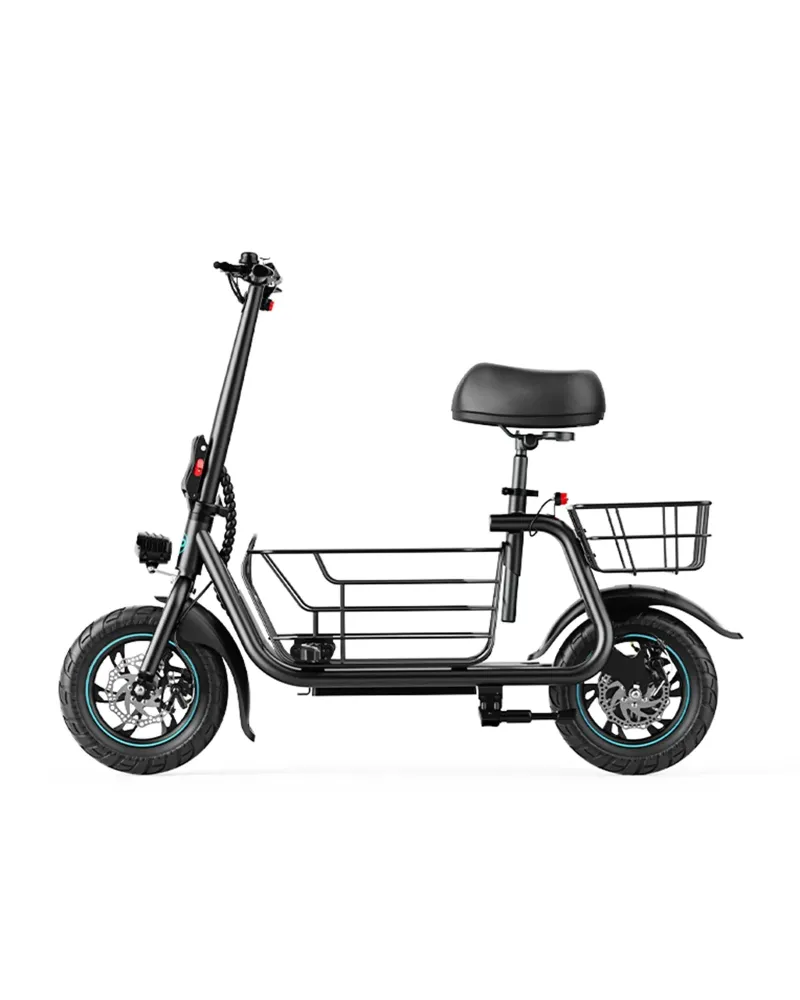
An electric scooter with seat typically offers better comfort and stability for adults on longer commutes, while standing scooters excel at portability and quick urban navigation. The right choice depends on your ride distance, storage space, and whether you prioritize comfort over agility.
We tested both styles across city streets and longer routes to help you decide which design fits your daily routine.
Key Differences Between Seated and Standing Electric Scooters
Seated models like the electric scooter with seat feature a padded seat mounted on a reinforced deck, often with a higher weight capacity and larger battery. Standing scooters keep the deck clear, reducing overall weight by 15 to 30 pounds and folding more compactly.
Comfort and posture change dramatically. A seat distributes your weight across your hips and thighs, reducing leg fatigue on rides over 20 minutes. Standing engages your core and keeps you alert, but longer trips can strain your ankles and lower back.
Speed and range favor seated designs. Most electric scooter with seat for adults models carry 500W to 1000W motors and 15Ah to 20Ah batteries, supporting 25 to 35 miles per charge. Standing scooters average 250W to 500W with 10 to 15 miles of range, though performance models like the gt54 pro push those limits higher.
Storage and transport swing the other way. Standing scooters fold in seconds and fit under desks or in car trunks. Seated models often require a kickstand and dedicated garage or patio space, and many do not fold at all.
Who Should Choose an Electric Scooter With Seat for Adults
A seated scooter makes sense if your daily commute exceeds three miles one-way or you deal with joint pain, balance concerns, or recovery from injury. The e scooter for adults category includes seated options designed for heavier riders, with weight limits reaching 300 to 350 pounds.
Longer commutes become practical when you can sit. We rode a commuter electric scooter with a seat for 12 miles without discomfort, while the same distance standing left us shifting weight every few minutes.
Older adults and heavier riders benefit from the lower center of gravity and the ability to rest while riding. A 3 wheel electric scooter with seat for adults adds even more stability, reducing tip risk on uneven pavement.
Cargo hauling is easier when seated. Most designs include a rear rack or basket, and you can balance grocery bags or a backpack without throwing off your stance. Check the latest price to see current bundle options that include cargo accessories.
When a Standing Scooter Is the Better Choice
Standing models win for short urban trips under two miles, especially when you need to hop on and off frequently. They weigh 25 to 40 pounds compared to 50 to 70 pounds for seated scooters, so carrying them upstairs or onto public transit is far more realistic.
Tight storage situations favor standing designs. If you live in an apartment or share a small office, a foldable standing scooter tucks into a closet or under a desk. Budget friendly electric scooters in the standing category also cost $200 to $400 less than comparable seated models.
Agility in traffic improves when standing. You can shift your weight quickly to navigate around pedestrians, potholes, or sudden stops. Seated scooters handle more like a small motorcycle, requiring wider turns and longer braking distances.
Athletes and younger riders often prefer the active riding posture. Standing keeps your muscles engaged and your reaction time faster, which matters in crowded bike lanes or mixed-traffic streets.
Comparing Top Models: Seated vs Standing
| Feature | Seated Models | Standing Models |
|---|---|---|
| Comfort (over 30 min) | High, padded seat reduces fatigue | Moderate, leg and back strain likely |
| Weight | 50–70 lbs, harder to carry | 25–40 lbs, portable |
| Range | 25–35 miles typical | 10–20 miles typical |
| Price | $600–$1,500+ | $300–$900 |
Both categories overlap in the middle. Some standing scooters accept detachable seats as an aftermarket upgrade, giving you flexibility. We have not tested those add-ons extensively, but early feedback suggests they work best as occasional-use accessories rather than full-time seating.
For raw speed, the best electric scooter with seat models can reach 30 mph or more, though most cities cap legal limits at 15 to 20 mph. An electric scooter with seat for adults 50 mph exists in off-road or private-property categories, but street legality varies by state.
Practical Considerations: Maintenance, Storage, and Cost
Maintenance is similar across both styles. Check tire pressure weekly, tighten bolts monthly, and keep the battery charged between 20 and 80 percent. Seated scooters add seat-post bolts and sometimes suspension springs to the checklist.
Insurance and registration requirements depend on top speed and local laws. Scooters over 20 mph may need a license plate or moped registration in some states. Confirm your area's rules before committing to a high-speed seated model.
Upfront cost runs higher for seated designs due to the beefier frame, larger motor, and added components. A cheap electric bike or budget friendly electric scooters in standing form start around $300, while entry-level seated scooters begin near $600. Grab the code for 5% off to narrow that gap.
Resale value holds steady for both if you maintain the battery and keep the frame clean. Standing scooters sell faster due to higher demand, but seated models attract serious commuters willing to pay for quality.
Which Style Fits Your Commute?
Match your decision to your daily distance and terrain. Rides under three miles on flat pavement work fine standing. Anything longer, hilly, or involving frequent stops benefits from a seat.
Consider your physical needs. If you have knee, hip, or balance issues, a seated scooter reduces strain and builds confidence. Younger, active riders who value speed and portability lean toward standing models.
Think about where you will store it. Measure your garage, closet, or office space before ordering. A standing scooter folds to roughly the size of a folded beach chair; a seated scooter is closer to a compact motorcycle.
Finally, test ride both if possible. An electric scooter with seat nearby at a local dealer lets you feel the posture difference firsthand. Many online retailers also offer 30-day returns, so you can try a commuter electric scooter or standing alternative at home before committing.
Both designs serve real needs. We use a standing scooter for quick errands and a seated model for our longer morning commute, and each excels in its role. Choose based on your typical ride, not on trends or what looks coolest in photos.
Frequently asked questions
Can you add a seat to a standing electric scooter?
Some standing scooters accept aftermarket seat attachments that clamp onto the stem or deck. These work for occasional rest stops but typically lack the stability and comfort of a purpose-built seated model.
What is the weight limit for an electric scooter with seat for adults?
Most seated electric scooters support 250 to 300 pounds, with heavy-duty models reaching 350 pounds or more. Always check the manufacturer's specification to avoid motor or frame stress.
Are seated electric scooters legal on bike paths?
Legality depends on local regulations and the scooter's top speed. Many cities allow scooters under 20 mph on bike paths, but some ban seated models or require them to use vehicle lanes. Verify your city's rules before riding.
How much faster are seated scooters compared to standing models?
Seated scooters often reach 25 to 35 mph due to larger motors and batteries, while most standing scooters top out at 15 to 20 mph. Performance standing models can match seated speeds but usually sacrifice range.
Do I need a license to ride an electric scooter with seat?
License requirements vary by state and scooter speed. Scooters over 20 mph may require a moped license or registration in some areas, while lower-speed models are treated like bicycles.
Which is better for commuting: seated or standing scooter?
Seated scooters are better for commutes over three miles or hilly terrain because they reduce fatigue and offer longer range. Standing scooters work well for short urban trips under two miles where portability and quick folding matter most.