
Best Practices for Cleaning and Maintaining Your Cosmetic Tattoo Kit

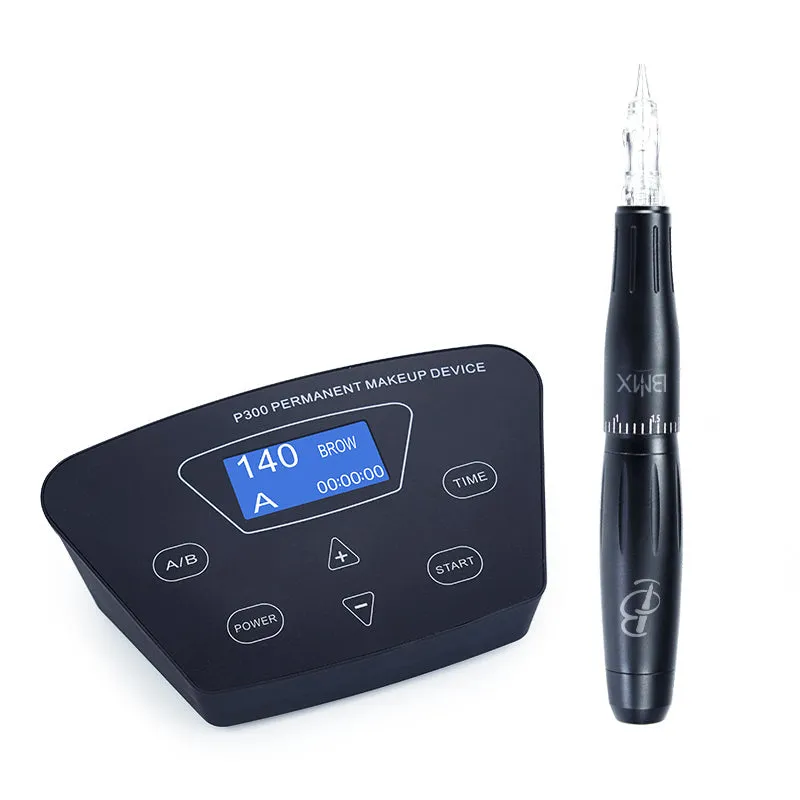
Keeping your permanent makeup cosmetic tattoo equipment sterile and well-maintained is the foundation of safe, professional work. Whether you're working with a complete permanent makeup cosmetic tattoo kit or individual components, following the right cleaning protocols protects your clients and preserves your investment.
Daily Cleaning Protocol for Your Tattoo Machine
After every client session, your tattoo machine requires immediate attention. We disassemble all removable parts and follow this sequence:
- Wipe down the machine body with hospital-grade disinfectant wipes, avoiding direct contact with electrical components
- Remove and dispose of the needle cartridge in a sharps container immediately
- Clean the grip with an alcohol-based spray designed for tattoo equipment
- Inspect the connection point for pigment buildup and wipe clean with a cotton swab
- Allow all components to air dry completely before storage
Never submerge your tattoo pen in liquid. Most modern rotary machines have sealed motors, but moisture in the wrong place will damage bearings and circuits. For pricing on replacement parts and cleaning supplies, check the latest offers.
Sterilizing Needles and Cartridges
We never reuse round liner tattoo needles or any cartridge between clients. Single-use cartridges are the industry standard for permanent eyeliner and other cosmetic work, eliminating cross-contamination risk entirely.
If you're working with a reusable tatto gun system that uses autoclavable tubes:
- Pre-clean tubes in an ultrasonic cleaner with enzymatic solution for 10 minutes
- Rinse thoroughly under running water
- Seal in autoclave pouches and sterilize at 270°F (132°C) for 30 minutes
- Store sealed pouches in a clean, dry cabinet and check spore test results monthly
Most professional tattoo machines designed for cosmetic work now use disposable cartridge systems, which simplify the sterilization process significantly. The equipment used in permanent makeup and cosmetic tattooing studios reflects this shift toward safety and efficiency.
Maintaining Your Tattoo Stencil Printer and Paper
Your tattoo stencil printer needs weekly maintenance to prevent ink clogs and paper jams. We wipe the thermal print head with isopropyl alcohol and a lint-free cloth every seven days, or more often if you're printing dozens of stencils daily.
Store tattoo stencil paper in a cool, dry place away from direct sunlight. Humidity degrades the transfer layer, leading to patchy stencils that won't adhere properly. We keep our paper in sealed plastic bins with silica gel packets.
When your tattoo stencil printers produce faded or streaky images, the print head likely needs cleaning or replacement. Check the manufacturer's recommended duty cycle and don't push the machine past its rated capacity.
Deep Cleaning Schedule for Long-Term Performance
Weekly deep cleaning extends the life of your permanent makeup cosmetic tattoo equipment. Set aside time every Friday or after your last appointment of the week:
- Disassemble your machine completely and inspect O-rings and rubber grommets for wear
- Clean the armature bar and contact screw on coil machines with electrical contact cleaner
- Lubricate moving parts according to manufacturer specifications (usually 1-2 drops of machine oil)
- Wipe down your workstation, lamp, and arm rest with disinfectant
- Inspect power supply cords for fraying or damage
Monthly, we inventory all consumables including tips, grips, and barrier films. Running out of supplies mid-session is unprofessional, and bulk ordering with a code from our discount page keeps costs manageable.
Tool-Specific Care: Eyebrow and Marker Equipment
If you offer microblading services alongside machine work, your microblading eyebrow pencil and eyebrow marker require different handling. These tools come into direct skin contact but aren't sterilizable:
- Use disposable brow pencils when possible, one per client
- If using reusable markers, sanitize the exterior with a disinfectant wipe and replace the tip between clients
- Store these tools in a closed container to prevent airborne contamination
- Never share markers between the consultation area and the procedure room without sanitizing
The distinction between tattoo versus permanent makeup equipment matters here. Cosmetic tattoo work demands finer needles, gentler machines, and stricter hygiene because you're working on facial features where infection risk and visibility are higher.
Storage and Workspace Organization
Clean equipment deserves clean storage. We use:
| Storage Method | Best For | Cleaning Frequency |
|---|---|---|
| Sealed plastic bins | Cartridges, tips, unopened supplies | Wipe monthly |
| UV sterilizer cabinet | Daily-use tools, cleaned machines | Clean weekly |
| Wall-mounted racks | Power supplies, clip cords | Dust weekly |
Keep your workspace uncluttered. Every item on your tray should have a purpose for that specific procedure. Fewer items mean faster turnover between clients and less surface area to disinfect.
Label and date everything. Sterilization pouches need dates and load numbers. Opened pigment bottles should show when you first broke the seal. This traceability protects you if a client reports a reaction weeks later.
Common Maintenance Mistakes to Avoid
We've seen these errors shorten equipment life and compromise safety:
- Using household cleaners instead of tattoo-specific disinfectants (residue can cause skin reactions)
- Skipping the ultrasonic pre-clean step before autoclaving (baked-on debris won't sterilize)
- Over-tightening needle cartridges (damages the machine's threading and connection)
- Storing machines in direct sunlight or humid bathrooms (degrades plastic and corrodes metal)
- Ignoring manufacturer guidelines in favor of generic advice
Each machine has quirks. Read your manual, watch manufacturer training videos, and join forums where professionals working in cities like Bend, OR share troubleshooting tips.
When to Replace vs Repair Equipment
A well-maintained kit lasts years, but nothing is eternal. Replace your machine if you notice:
- Inconsistent needle speed or stuttering during passes
- Unusual heat buildup in the motor housing
- Cracks in the plastic casing or loose connection ports
- Diminished power output even after cleaning and testing with a different power supply
Minor repairs like replacing grips, O-rings, or contact screws are normal. Budget 10-15% of your annual equipment cost for maintenance and replacement parts. Grab the current discount code before stocking up on consumables and backup machines so you're never caught without a working setup.
Your reputation depends on consistent results, and consistent results depend on equipment that performs exactly the same way every time. Cleaning and maintenance aren't optional tasks you squeeze in when convenient. They're the daily rituals that separate professionals from hobbyists in the cosmetic tattoo industry.
Frequently asked questions
How often should I replace needles in my permanent makeup cosmetic tattoo kit?
Always use a fresh, sterile needle cartridge for every client. Never reuse needles or cartridges between procedures, even on the same client across multiple sessions. Single-use cartridges are the industry standard for safety.
Can I use regular isopropyl alcohol to clean my tattoo machine?
Isopropyl alcohol works for wiping down external surfaces, but use hospital-grade disinfectants approved for tattoo equipment to ensure proper pathogen elimination. Avoid saturating electrical components and always follow your machine manufacturer's cleaning instructions.
What's the difference between cleaning and sterilizing tattoo equipment?
Cleaning removes visible debris and organic matter, while sterilizing kills all microorganisms including spores. You must pre-clean items in an ultrasonic bath before autoclaving them to achieve true sterilization. Most modern equipment uses disposable components that eliminate the need for sterilization.
How do I know when my tattoo stencil printer needs maintenance?
Faded prints, streaky lines, or paper jams indicate your thermal print head needs cleaning. Clean the print head weekly with isopropyl alcohol and a lint-free cloth, and replace it if cleaning doesn't restore print quality.
Should I oil my rotary tattoo machine?
Most sealed rotary machines require no lubrication, while some models need 1-2 drops of machine oil monthly on specific points. Always check your manufacturer's maintenance guide, as over-oiling can attract dust and damage sealed bearings.
How long can I store sterilized needles and tubes?
Properly autoclaved and pouched items remain sterile for 6-12 months if the packaging stays intact and dry. Always check pouches for tears or moisture before use, and mark each pouch with the sterilization date and load number for tracking.