
Biomaser Tattoo Machine vs Pen Tattoo Gun: Which Is Better for Beginners?

Biomaser Tattoo Machine vs Pen Tattoo Gun: Which Is Better for Beginners?
A pen tattoo gun typically wins for beginners because it offers intuitive grip, lower vibration, and easier maneuverability compared to traditional coil machines. If you're just starting with permanent makeup or your first tattoo projects, the pen-style rotary design feels natural in your hand and reduces fatigue during longer sessions. Traditional tattoo machines deliver raw power and are favored by seasoned artists, but the learning curve is steeper.
We tested both styles across line work, shading, and permanent makeup cosmetic tattoo applications to identify which format suits new artists best. Below, we break down grip comfort, versatility, maintenance, and cost so you can make an informed choice.
What Makes a Pen Tattoo Gun Different from a Traditional Machine?
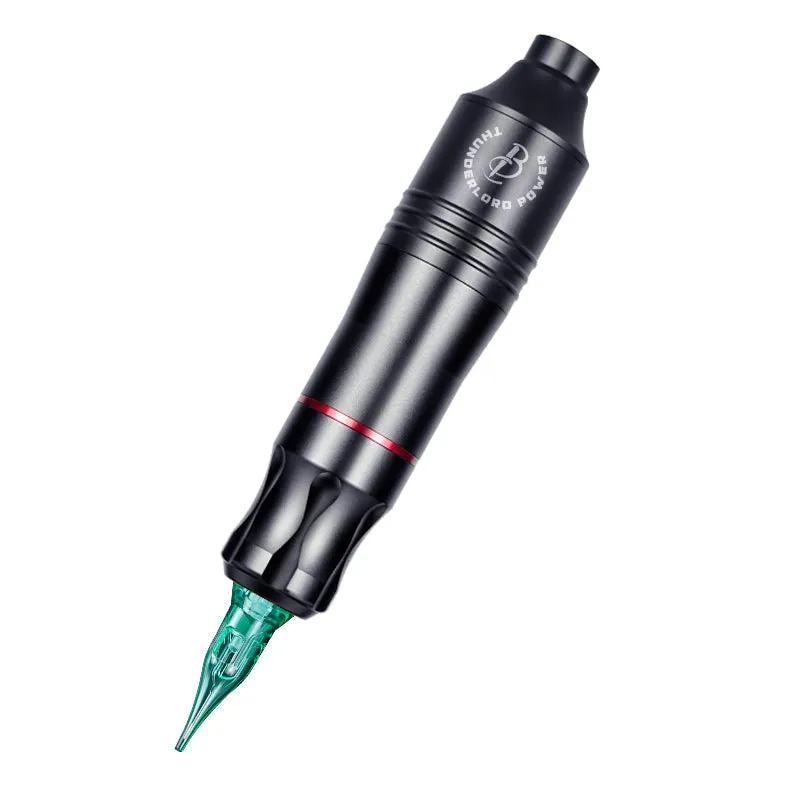
The core difference lies in motor placement and grip design. A tattoo pen houses a rotary motor inside a pen-shaped body, positioning the needle cartridge in line with your hand. This creates a balanced, pencil-like hold that most beginners find intuitive.
Traditional professional tattoo machines use coil or rotary mechanisms in a bulkier frame that sits perpendicular to your hand. Key distinctions include:
- Weight distribution – Pen machines place the motor closer to the needle, reducing wrist strain.
- Vibration – Rotary pens run quieter and produce less vibration than coil machines.
- Cartridge compatibility – Most pen-style units accept universal cartridge needles; traditional machines often require soldered or screw-on needle bars.
- Setup time – Pens are plug-and-go; coil machines need tuning and assembly.
For artists exploring permanent eyeliner or cosmetic work, the pen format offers finer control in tight areas like the lash line. Traditional machines excel at bold outlines and dense color packing but demand more hand strength.
Tattoo Pen Machine for Beginners: Pros and Cons
Pen-style rotary machines dominate the beginner market because they mimic familiar tools. We recommend them for artists transitioning from microblading eyebrow pencil work or anyone practicing on synthetic skin.
Advantages
- Ergonomic grip – The pen shape reduces cramping during multi-hour sessions.
- Low maintenance – No coil tuning or contact-screw adjustments required.
- Quiet operation – Ideal for home studios or nervous clients.
- Cartridge system – Swap needle configurations in seconds without tools.
- Versatile depth – Adjustable stroke length suits lining, shading, and cosmetic tattooing.
Drawbacks
- Less punching power – Struggles with thick line work or dense black fills compared to coil machines.
- Cartridge cost – Disposable cartridges add up faster than reusable needle bars.
- Battery dependency – Wireless models need frequent charging during busy days.
If you plan to specialize in fine-line work, script, or permanent makeup cosmetic tattoo applications, a tattoo machine in pen format will serve you well. Check the latest price and grab our code to save 12% on your first setup.
Traditional Tattoo Machine: When It Still Makes Sense
Traditional machines—whether coil or rotary—remain the standard in many professional shops. They deliver consistent power for bold American Traditional, Japanese, and realism styles. Experienced artists appreciate the tactile feedback and tuning control.
Best for:
- Heavy shading and color saturation
- Thick outlines and tribal designs
- Artists who prefer analog tuning and customization
- Long-term durability (metal frames outlast plastic pen bodies)
Challenges for beginners:
- Steeper learning curve for assembly and voltage adjustment
- Heavier weight causes hand fatigue
- Louder buzz can intimidate first-time clients
- Requires soldering or bar-and-tube needle setup
Traditional tatto gun models pair well with reusable round liner tattoo needles, which reduce per-session costs once you master sterilization. However, most instructors now recommend starting with a pen and upgrading to coil machines as your style demands more power.
Choosing the Right Format for Your Style
Your preferred tattoo style should drive your equipment choice. We mapped common genres to the machine type that handles them best:
| Style | Pen Tattoo Gun | Traditional Machine |
|---|---|---|
| Fine line, script, minimalist | ✓ Excellent | ○ Possible but harder |
| Permanent makeup, cosmetics | ✓ Ideal | ○ Too aggressive |
| Bold outlines, tribal | ○ Limited power | ✓ Superior |
| Shading, realism | ✓ Good for soft shading | ✓ Better for dense fills |
If you're exploring multiple styles, consider starting with a tattoo pen and adding a coil machine once you identify your niche. Many artists keep both in their kit: the pen for detail work and the coil for power packing.
Artists who work with stencils will also want a tattoo stencil printer and tattoo stencil paper to streamline design transfer, regardless of machine type. Grab the code here to bundle your setup and save on the full kit.
Maintenance, Needle Compatibility, and Running Costs
Pen machines win on ease of maintenance. Most rotary pens require only occasional lubrication and cartridge replacement. Traditional machines demand regular coil tuning, spring tension adjustments, and contact-screw cleaning.
Consumables comparison:
- Pen cartridges – Single-use, sterile, $1–3 per cartridge. Fast swap between needle configs.
- Traditional needle bars – Reusable if autoclaved, $0.50–1 per session after initial investment. Requires assembly and sterilization workflow.
For cosmetic tattoo artists working on brows or lash lines, disposable cartridges paired with an eyebrow marker for pre-draw simplify infection control and client turnover. Traditional setups make more sense in high-volume shops with dedicated autoclave staff.
Both formats accept a range of needle groupings—liners, shaders, and magnums—so your creative options remain wide. The key difference is convenience versus long-term cost.
Our Recommendation for Beginners
We recommend starting with a tattoo machine pen professional model if you're learning at home, practicing cosmetic tattooing, or prefer a gentle learning curve. The intuitive grip, low vibration, and cartridge convenience let you focus on technique rather than equipment troubleshooting. A quality pen-style tattoo machine will carry you through your first hundred hours of practice and remain useful for detail work even after you add a traditional machine to your arsenal.
If your goal is bold traditional work or apprenticeship in a shop that uses coil machines exclusively, invest in a traditional setup from the start. You'll spend more time learning coil tuning, but you'll build the foundational skills most mentors expect.
For the best value, bundle your machine with round liner tattoo needles, practice skin, and stencil supplies. Visit our discount page to unlock 12% off your entire order and get everything you need in one shipment.
Either path works—just match the tool to your artistic goals and be patient with the learning process. Both pen and traditional machines produce professional results in the hands of a trained artist.
Frequently asked questions
Can I use a pen tattoo gun for permanent makeup?
Yes, pen-style rotary machines are ideal for permanent makeup because they offer precise control and low vibration, making them safer for delicate areas like eyeliner and brows. Most cosmetic tattoo artists prefer the pen format over traditional machines.
Do pen tattoo machines work with all needle types?
Most pen machines accept universal cartridge needles in liner, shader, and magnum configurations. Traditional machines use screw-on or clip-on needle bars, which are not interchangeable with cartridge systems.
Is a traditional tattoo machine more powerful than a pen?
Yes, traditional coil machines typically deliver more punching power for bold outlines and dense color fills. Pen-style rotary machines excel at fine lines and shading but may struggle with heavy saturation work.
How much does a beginner tattoo pen machine cost?
Entry-level pen machines start around the price of a basic starter kit, but quality and features vary widely. Check current pricing and discount codes on the store page to find the best deal for your budget.
Which tattoo machine is quieter for home studios?
Pen-style rotary machines run much quieter than traditional coil machines, making them better suited for home studios or clients who are nervous about the buzzing sound.
Can I switch from a pen machine to a traditional machine later?
Absolutely. Many artists start with a pen machine to learn technique and hand control, then add a traditional coil or rotary machine as their style evolves. Both tools have a place in a professional kit.