
Best Rear Bike Rack for ENGWE Fat Tire Models: Compatibility and Weight Limits

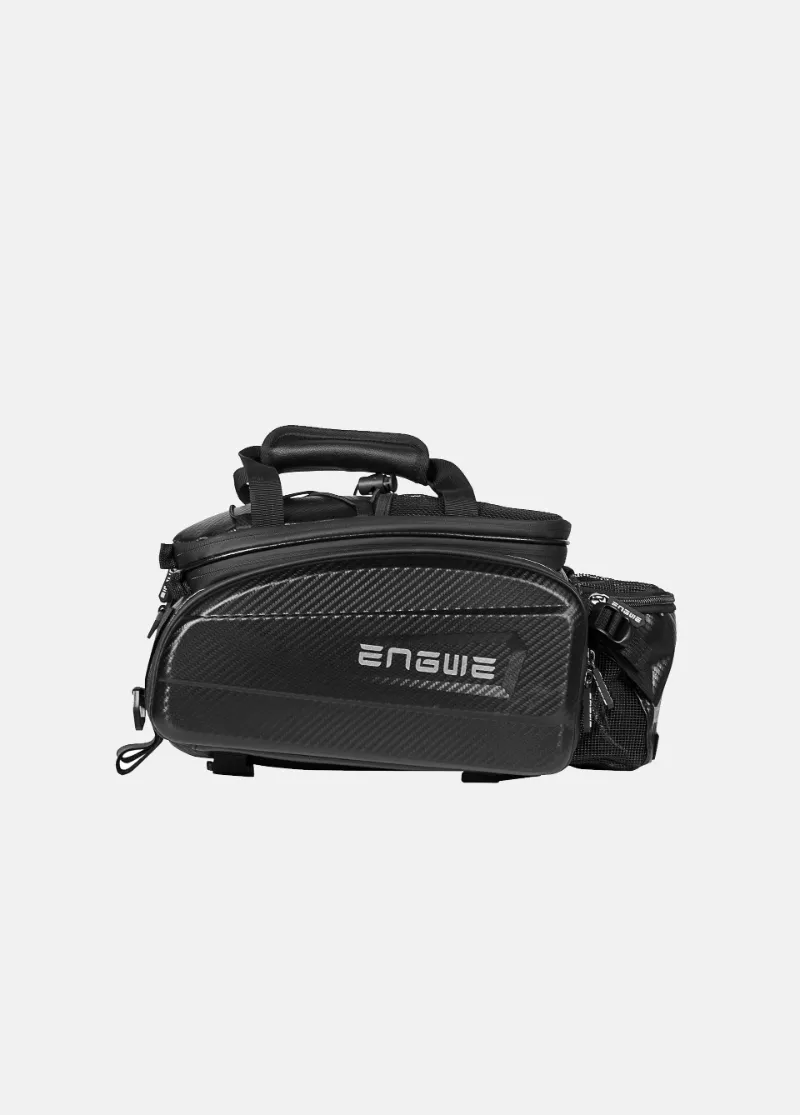
Best Rear Bike Rack for ENGWE Fat Tire Models: Compatibility and Weight Limits
A rear bike rack for ENGWE fat tire models needs reinforced stays, adjustable width, and load capacity between 50 and 75 pounds to handle the wider frame geometry and heavier battery-equipped builds. Most standard racks are too narrow for 4-inch tires and lack the structural strength for the combined weight of cargo plus a 50-pound electric bike.
We tested compatibility across ENGWE's lineup, including the fat tire electric bikes and off road ebike models, to identify which rack designs clear the battery, seat post, and rear fender without rubbing. This guide covers weight limits, mounting points, and material choices so you can carry panniers, groceries, or camping gear without compromising stability.
Why ENGWE Fat Tire Models Need Specialized Racks
Standard rear racks designed for road or hybrid bikes fail on ENGWE fat tire frames for three reasons:
- Tire clearance: 4-inch fat tires sit 1.5 to 2 inches wider than a traditional 2-inch mountain bike tire, so conventional rack stays contact the sidewall during load flex
- Frame geometry: ENGWE's sloping top tube and integrated battery box shift mounting points lower and farther back, often blocking standard seat-post clamps
- Weight tolerance: A typical aluminum rack rated for 25 pounds will bend under the combined load of cargo plus the vibration and torque from a 750W motor
Our rear bike rack recommendation is built specifically for wide-tire electric platforms, with stays that extend 3 inches outward and a reinforced deck rated to 75 pounds. You can check the latest price and compatibility specs on our store page.
Mounting Points and Compatibility Across ENGWE Models
ENGWE fat tire bikes use either seat-stay eyelets or seat-post clamps, depending on the model year and frame design. Here's how to confirm your mounting options:
| Model Type | Rear Eyelet | Seat-Post Mount | Notes |
|---|---|---|---|
| ENGWE EP-2 Pro | Yes | Optional | Eyelets hidden under fender, 8mm thread |
| ENGWE Engine Pro | No | Required | Clamp must clear battery case |
| ENGWE M20 | Yes | Optional | Wide rear triangle, standard spacing |
| ENGWE L20 | Yes | Optional | Low step-through, use adjustable stays |
Before ordering, check your rear dropouts for threaded eyelets (small holes with recessed threads) on both sides of the wheel axle. If present, choose an eyelet-mount rack for the strongest connection. If your frame has no eyelets, a seat-post clamp rack works but limits load capacity to around 50 pounds because all weight transfers through a single tube.
The best rear bike rack for mountain bike or fat-tire platforms will include both mounting options in the box, so you can adapt to your frame without buying separate hardware.
Weight Limits and Load Distribution
ENGWE fat tire racks should support at least 55 pounds to accommodate panniers, a trunk bag, and occasional grocery runs. Lightweight rear racks designed for bikepacking may weigh less but often sacrifice load capacity, which becomes critical when you add the existing 50 to 60 pounds of the electric bike itself.
We recommend these weight guidelines:
- Aluminum alloy racks: 50 to 60 lb capacity, sufficient for commuting and light touring
- Steel or chromoly racks: 65 to 75 lb capacity, handle heavier loads and rough terrain on an off road ebike
- Carbon fiber racks: rarely exceed 40 lb, not suitable for fat tire electric platforms
Load distribution matters as much as total capacity. Place heavier items low and centered over the axle, rather than stacked high on the rear platform. A trunk bag weighing 15 pounds mounted 8 inches behind the seat post creates leverage that can fatigue mounting bolts on climbs or when hitting bumps at speed.
When shopping for a universal rear bike rack or searching "rear bike rack near me," confirm the stated weight limit includes dynamic load (riding over rough ground), not just static bench testing. You can grab the code for $100 off qualifying racks and accessories in our current promotion.
Materials and Durability for Electric Fat Tire Use
Rack longevity on a fat tire electric bike depends on material choice and weld quality under constant vibration from the motor and rough trail surfaces.
Aluminum 6061-T6 remains the most common material for mid-priced racks. It resists rust, keeps weight under 2 pounds, and handles moderate loads without flexing. However, aluminum fatigues faster than steel under repeated stress, so inspect welds every few months if you ride daily or carry heavy loads.
Chromoly steel racks weigh 3 to 4 pounds but tolerate higher loads and rougher terrain. Steel flexes slightly under load then returns to shape, which absorbs shock better than rigid aluminum. The tradeoff is added weight and the need for powder coating or paint to prevent rust in wet climates.
Stainless steel offers the best corrosion resistance for coastal or rainy environments but costs more and adds weight similar to chromoly. We see stainless most often on touring racks built for multi-month trips where durability outweighs every other factor.
Avoid generic "rear bike rack amazon" listings with thin tubing and spot welds. Fat tire platforms generate more torque and vibration than standard bikes, so weak joints will crack within weeks of regular use.
Installation Tips for Wide Frames and Fenders
Installing a rear rack on an ENGWE fat tire model takes 15 to 30 minutes with basic tools. Follow these steps to avoid clearance and alignment issues:
- Remove the rear fender if your rack mounts to the seat stays, as most ENGWE fenders cover the eyelet threads
- Test-fit the rack without tightening bolts, checking for at least 1 inch of clearance between the platform and the rear tire at full compression
- Use thread-lock compound on all bolts, especially seat-post clamps, to prevent loosening from motor vibration
- Adjust stay angle so the platform sits level or slopes slightly forward; a rear-tilted rack lets cargo shift backward under braking
If your rack rubs the tire when loaded, most adjustable stays include multiple mounting holes to widen the stance by 10 to 20mm per side. On frames with rear suspension (uncommon on ENGWE models but present on some mountain e bike builds), you need a suspension-compatible rack that pivots with the swingarm.
For riders who also own a foldable electric bike or folding electric bike, check whether the rack interferes with the hinge mechanism before fully tightening. Some folding frames require a quick-release rack or a redesigned stay to clear the latch.
Who Should Use a Rear Rack on ENGWE Fat Tire Bikes
A rear bike rack makes sense if you regularly carry more than 10 pounds of cargo and want to keep weight off your back. Backpacks raise your center of gravity, increase sweat, and strain your shoulders on rides longer than 30 minutes. Understanding rack options helps you match capacity to your typical use case.
Best use cases for a rear rack on ENGWE models:
- Commuters who carry a laptop, change of clothes, and lunch daily
- Grocery shoppers who need 30 to 40 pounds of capacity for weekly runs
- Weekend tourers who mount panniers for overnight trips on an engwe ebike
- Delivery riders who need quick-access trunk bags for multiple stops
Skip a rear rack if you only carry a phone and wallet, prefer frame bags, or ride aggressive trails where a rack's weight and width reduce maneuverability. For ultra-light setups, a frame-mount bag or seat pack keeps weight lower and doesn't require additional mounting hardware.
Frequently asked questions
Will a standard rear bike rack fit ENGWE fat tire models?
Most standard racks are too narrow for 4-inch fat tires and will rub the sidewall under load. You need a rack with adjustable or extended stays that provide at least 1 inch of clearance on each side of the tire.
What weight limit should I look for in a rear rack for electric bikes?
Choose a rack rated for at least 55 pounds to handle the vibration and torque from the motor plus typical cargo loads. Steel or reinforced aluminum racks perform best under dynamic stress.
Can I install a rear rack if my ENGWE frame has no eyelets?
Yes, use a seat-post clamp rack designed for frames without eyelets. These clamp around the seat post and limit capacity to around 50 pounds because all weight transfers through a single mounting point.
Do I need to remove the fender to install a rear bike rack?
On most ENGWE models the rear fender covers the seat-stay eyelet threads, so you will need to remove it temporarily during installation. Some racks include longer bolts that pass through both the fender and the rack stay.
Which material is better for a fat tire electric bike rack, aluminum or steel?
Steel racks handle heavier loads and tolerate rough terrain better, but weigh 1 to 2 pounds more than aluminum. Aluminum works well for commuting and light touring if the rack is rated for at least 55 pounds.
How do I prevent my rear rack from loosening due to motor vibration?
Apply thread-lock compound to all mounting bolts during installation and check torque every month. Racks mounted to seat-stay eyelets stay tighter than seat-post clamps under sustained vibration.