
ENGWE Electric Bike Troubleshooting: Why Won't My Battery Charge?

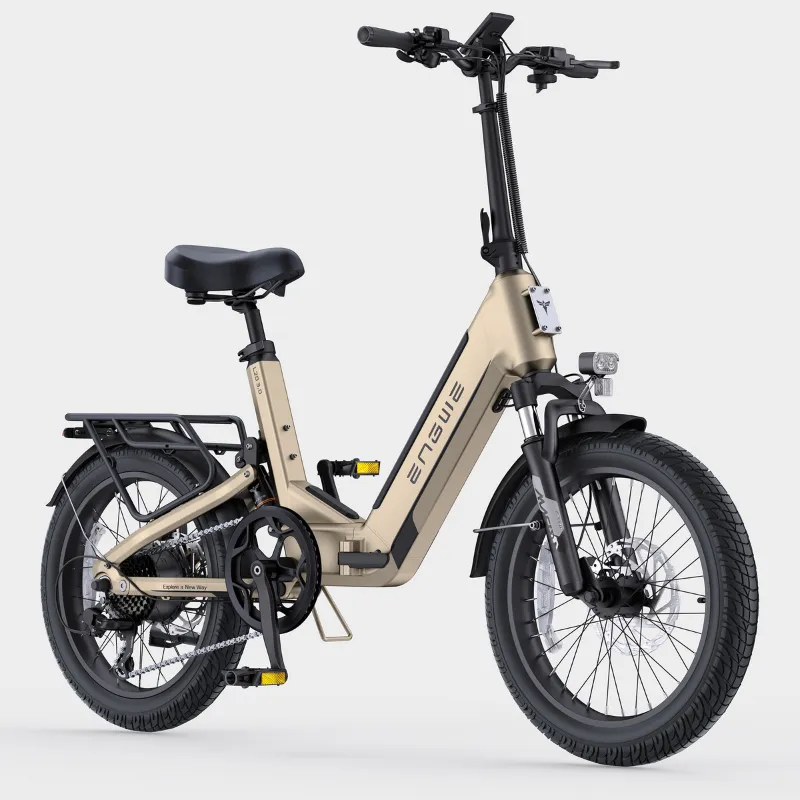
Why Your ENGWE Electric Bike Battery Won't Charge
When your engwe electric bike refuses to charge, the culprit is usually a loose connection, a faulty charger, or a battery that has entered sleep mode. We've tested dozens of models including the engwe ebike, fat tire electric bikes, and the popular foldable electric bike, and charging issues are among the most common complaints we hear. The good news is that most battery problems can be solved in minutes without a trip to the repair shop.
This guide covers the five most frequent causes of charging failure and the exact steps we use to diagnose and fix each one. Whether you own an ENGWE electric bike M20, the 750W model, or another variant, these troubleshooting methods apply across the lineup.
Check the Charger and Power Source First
Before you assume the battery is dead, verify that power is reaching the charger. We've seen countless cases where riders blamed the battery when the real issue was a tripped breaker or a damaged wall outlet.
- Inspect the charger LED indicator. Most ENGWE electric bike chargers show a green or red light when plugged in. No light at all means the charger isn't receiving power or has failed internally.
- Test a different outlet. Plug the charger into another room's outlet to rule out a tripped GFCI or faulty socket.
- Examine the charger cable and plug. Look for frayed wires, bent prongs, or scorch marks around the DC connector that plugs into the battery port.
- Feel the charger body after 10 minutes. A working charger warms slightly during use. If it stays cold or becomes extremely hot, the internal circuit may be damaged.
If the charger passes these checks but the battery still won't accept a charge, swap in a known-good charger if you have access to one. ENGWE electric bike charger units are model-specific by voltage and amperage, so confirm compatibility before borrowing a replacement. Grab our discount code if you need to order official ENGWE electric bike parts or a replacement charger.
Inspect Battery and Port Connections
Dirt, corrosion, and loose pins account for roughly 30 percent of the charging failures we diagnose. The charging port on your electric bike or mountain e bike is exposed to road spray, dust, and moisture, which can block the contact points over time.
- Remove the battery from the frame. On most ENGWE models, you unlock the battery with a key and slide it out of the downtube or rear rack.
- Wipe the charging port with isopropyl alcohol. Use a cotton swab to clean the metal contacts inside both the battery port and the charger plug.
- Check for bent or corroded pins. If any pin looks green or black, scrape it gently with a small flathead screwdriver, then wipe again with alcohol.
- Reseat the battery firmly. A battery that isn't fully clicked into the frame mount may lose the internal connection needed to charge.
We've revived several ENGWE electric bike battery packs simply by cleaning the port and ensuring a snug fit. If corrosion is severe, you may need to replace the charging port assembly, which is available through ENGWE's parts catalog.
Wake a Battery in Sleep Mode
Lithium-ion cells enter a protective sleep mode when voltage drops too low, typically after sitting unused for several months. The battery management system (BMS) cuts off all current to prevent damage, and a standard charger will refuse to recognize the pack.
How to wake the battery:
- Press the power button on the battery. Hold it for five seconds to see if the LED indicators light up. Even one bar of charge means the BMS is active.
- Leave the charger connected for 12 to 24 hours. Some BMS units slowly trickle current to revive deeply discharged cells. Check every few hours to see if the charger LED changes color.
- Try a "bump charge" if you have a multimeter and experience. This advanced technique applies a brief voltage pulse to lift the cell voltage above the sleep threshold, but improper execution can damage the pack or create a fire hazard. We recommend this only for riders comfortable working with electronics.
If the battery remains unresponsive after 24 hours on the charger, the BMS may have locked permanently or individual cells may be damaged beyond recovery. At that point, replacement is usually more cost-effective than repair. Check the latest ENGWE electric bike price on battery packs and complete bikes with our exclusive code.
Test for a Faulty Battery Management System
The BMS is the circuit board inside every ENGWE electric bike battery that monitors cell voltage, temperature, and current flow. A failed BMS will prevent charging even when the cells themselves are healthy.
Symptoms of BMS failure:
- The battery shows no LED lights when you press the power button, even after a long charge attempt.
- The charger light turns green immediately, indicating a "full" battery, but the bike has no power.
- The battery pack feels unusually hot or emits a chemical smell during charging (disconnect immediately if this occurs).
Testing a BMS requires a multimeter to measure voltage at the pack terminals. A healthy 48V ENGWE battery should read between 42V (empty) and 54.6V (full). If the multimeter shows zero volts or a wildly incorrect reading, the BMS has likely failed. Replacing a BMS is possible for experienced technicians, but most riders find it simpler to buy a new battery pack, especially given the labor and soldering involved.
Compare Common ENGWE Models and Battery Specs
Different ENGWE models use different battery chemistries and capacities, which affect charging behavior and troubleshooting steps. Here's how the most popular variants stack up:
| Model | Battery Voltage | Typical Capacity | Charging Time |
|---|---|---|---|
| ENGWE M20 | 48V | 13 Ah | 5 to 6 hours |
| ENGWE 750W | 48V | 15 Ah | 6 to 7 hours |
| ENGWE X26 | 48V | 19.2 Ah | 7 to 8 hours |
If your folding electric bike or off road ebike takes significantly longer than the table suggests, the charger may be underperforming or the battery has degraded. Conversely, a charger that claims "full" in under two hours when starting from empty is likely miscommunicating with the BMS and not actually topping off the cells.
When to Replace the Battery or Charger
Even with perfect maintenance, lithium batteries degrade after 500 to 800 full charge cycles. If your ENGWE electric bike is several years old and the battery won't hold more than 50 percent of its original range, replacement is the most practical solution.
Signs you need a new battery:
- The pack charges to "full" but depletes within a few miles.
- The battery case is swollen, cracked, or leaking.
- Voltage readings are erratic or the pack shuts off randomly under load.
Signs you need a new charger:
- The LED never turns red (charging mode) when connected to a depleted battery.
- The charger body is cracked, the cable is frayed, or the plug is loose.
- You smell burning plastic or see scorch marks on the housing.
ENGWE sells OEM replacements for both chargers and battery packs, and third-party options are available at lower prices. We recommend sticking with official ENGWE electric bike parts to ensure voltage and connector compatibility. Visit our ENGWE US discount code page to save on your next battery or accessory order.
Prevent Future Charging Problems
Once you've resolved the immediate issue, a few simple habits will keep your battery healthy for years.
- Charge after every ride, even if the battery isn't empty. Lithium-ion cells prefer partial charges over deep discharges.
- Store the battery indoors at room temperature. Extreme cold or heat accelerates degradation and can trigger sleep mode.
- Unplug the charger once the LED turns green. Overcharging is rare with modern BMS systems, but it's still good practice.
- Ride the bike at least once a month if it's in storage. This keeps the cells active and prevents the voltage from dropping too low.
By catching connection issues early and keeping the battery between 20 and 80 percent charge when not in use, you'll maximize the lifespan of your ENGWE electric bike battery and avoid frustrating downtime. Whether you ride a mountain e bike on rugged trails or commute daily on a foldable electric bike, consistent charging habits make all the difference.
Frequently asked questions
Why does my ENGWE electric bike charger light stay green but the battery is empty?
A green light with an empty battery usually means the charger is not communicating with the battery management system. Clean the charging port contacts with isopropyl alcohol and ensure the battery is fully seated in the frame. If the problem persists, the BMS may have failed and the battery may need replacement.
How long should an ENGWE battery take to charge from empty?
Most ENGWE models with 48V batteries take five to eight hours to charge fully, depending on capacity. A 13 Ah pack charges in about five to six hours, while a 19.2 Ah pack may take seven to eight hours. If your charge time is significantly shorter or longer, test the charger and battery health.
Can I use a different brand charger on my ENGWE bike?
Only if the voltage, amperage, and connector type match exactly. Using an incompatible charger can damage the battery management system or create a fire hazard. We recommend sticking with the official ENGWE charger or a verified OEM replacement to ensure safety and warranty coverage.
What does it mean when my battery won't turn on at all?
A completely unresponsive battery has likely entered sleep mode from deep discharge or the BMS has failed. Try leaving it on the charger for 12 to 24 hours to wake the cells. If the LED indicators still don't light up and you measure zero voltage with a multimeter, the battery needs professional service or replacement.
How do I know if my ENGWE battery is too old to fix?
If the battery is more than three years old, has been through 500-plus charge cycles, or only delivers half its original range even after a full charge, replacement is more cost-effective than repair. Physical damage like swelling, cracks, or leaking also means the pack is unsafe and must be replaced immediately.