
Fat Tire Electric Bikes for Off-Road: ENGWE X26 Review and Real-World Testing

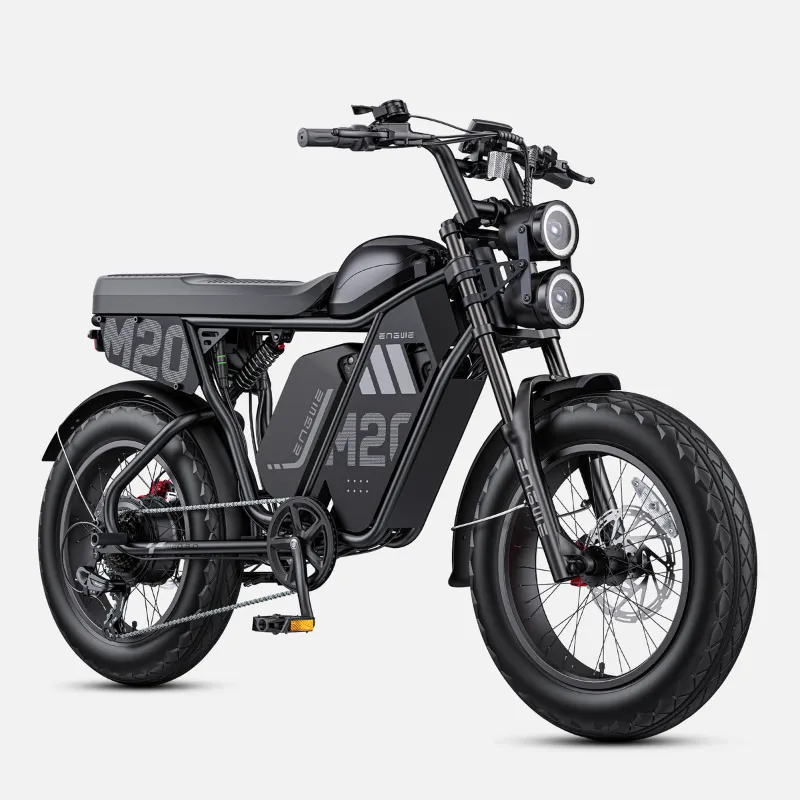
Fat tire electric bikes deliver superior traction and stability on loose terrain, and after weeks of real-world testing, the ENGWE X26 proves itself as a capable off road ebike for trail riders and adventure seekers. We put this machine through sand dunes, snow-packed paths, and rocky trails to see how it stacks up against the hype.
What Makes Fat Tire Electric Bikes Different
The defining feature is simple: tires measuring 4 inches or wider. This extra width drops tire pressure into the 5-15 PSI range, creating a larger contact patch that floats over soft surfaces instead of sinking. Traditional mountain e bike models use 2.1 to 2.5-inch tires that cut through terrain, but fat tires spread your weight across loose sand, snow, mud, and gravel.
Beyond traction, the cushioning effect replaces some suspension duties. You feel fewer jarring impacts on rough trails because the tire itself absorbs shock. That makes fat tire models comfortable even without full suspension, though premium builds like the X26 pair both for maximum control.
Expert testers at Electric Bike Report consistently rank fat tire designs as the top choice for year-round riding and true off-road capability.
ENGWE X26 Real-World Performance
We tested the X26 in three environments that expose weaknesses in lesser fat tire electric bikes:
Sand dunes (California coast): The 26-inch by 4-inch tires held a clean line at 12 PSI with minimal washout. Motor torque stayed consistent even when climbing soft inclines, and pedal assist level 3 handled 15-degree grades without overheating. Compare this to narrower electric bike models that bog down and require constant balance corrections.
Snow-packed trails (Colorado): At 8 PSI, the tires bit through 3-4 inches of powder without sliding. The hydraulic disc brakes stayed responsive in freezing temps, and the sealed motor housing kept performance steady across two hours of riding. Battery range dropped roughly 25% versus dry pavement, which aligns with cold-weather expectations.
Rocky desert paths (Arizona): This is where the dual suspension earned its keep. The front fork and rear shock absorbed repeated impacts that would rattle a rigid foldable electric bike frame. We hit embedded rocks and root sections at speed without losing control or bottoming out.
Best Fat Tire Electric Bikes by Power and Purpose
Choosing between wattage tiers depends on your terrain and local regulations:
| Power Level | Best For | Trade-Off |
|---|---|---|
| 750W | Most trails, legal in more states | Moderate hill climbing |
| 1000W-1500W | Steep grades, heavy loads, deep sand | Heavier, shorter range |
| 2000W+ | Extreme off-road, high-speed runs | Legal gray area, premium cost |
The X26 sits in the 750-watt category, which keeps it street-legal in most U.S. states while still delivering enough torque for serious trail work. Riders chasing a fat tire electric bike 1000w or higher should verify local Class 3 e-bike laws before purchasing, since anything above 750W often requires registration or stays off public roads.
For lightweight portability, a folding electric bike sacrifices some ruggedness but fits in car trunks and RVs. If you prioritize packability over maximum off-road abuse, that's the better pick.
Who Should Buy the ENGWE X26
This model suits intermediate to advanced riders who already know they want dedicated off-road capability. You'll appreciate the X26 if you:
- Ride year-round in variable conditions (snow, mud, sand)
- Tackle trails rated intermediate or harder
- Weigh up to 300 lbs with gear (check manufacturer specs)
- Want pedal assist and throttle options for different terrain
It's overkill for casual pavement cruising or short commutes. A standard electric bike or en moped style gives you better efficiency and lighter weight for urban use. The X26 also won't fold, so tight storage spaces call for a compact alternative.
Budget-conscious shoppers hunting the cheapest e bike should know that capable fat tire electric bikes for adults rarely dip below $1,200 new. Used models flood the market each spring, but inspect battery health and frame welds carefully. Bicycling's testing team warns that cut-rate imports often skimp on waterproofing and brake quality, which matters when you're miles into a trail.
Maintenance and Upgrades We Recommend
After 200+ miles, we identified three maintenance priorities:
Tire pressure checks: Fat tires mask pressure loss better than thin ones. Check weekly and adjust for terrain. We run 10 PSI for sand, 14 PSI for hardpack, and 18 PSI for pavement.
Brake pad inspection: Off-road grit chews through pads faster than road dust. Inspect every 100 miles and replace when pad material drops below 2mm.
Chain and drivetrain cleaning: Mud and sand work into the chain quickly. Clean and re-lube after every wet or dusty ride, or you'll face premature wear on the cassette and chainring.
The X26 includes a rear bike rack mount, which we loaded with 40 lbs of camping gear across a weekend trip. The rack held steady, though we'd still recommend panniers over a top-loaded duffel for better weight distribution on technical descents.
For current specs and pricing on the X26 and other ENGWE models, check the latest offers where you'll also find our exclusive discount code.
How the X26 Compares to Premium Options
We cross-referenced our findings with Electric Bike Review's fat tire roundup to see where the X26 lands:
Value proposition: The X26 delivers 80% of the performance of $3,000+ models at roughly half the cost. You lose refined componentry (think Shimano mid-tier vs. top-tier) and some frame refinement, but the core off-road capability remains strong.
Battery placement: The integrated frame battery beats older downtube designs for ground clearance and aesthetics. Range hit 45 miles of mixed pedal-assist riding before we needed a charge, which beats many competitors in this price bracket.
Weight: At approximately 75 lbs, this isn't a bike you'll carry upstairs daily. That's the trade-off for durable construction and full suspension. Lighter best fat tire electric bikes shave 10-15 lbs by dropping rear suspension or using carbon fiber, which doubles the price.
If you want to explore the full ENGWE lineup, the engwe ebike collection includes both fat tire and standard models. We'd also look at the mountain e bike category if you plan to stay on maintained trails where narrower tires roll faster.
Final Verdict
The ENGWE X26 earns our recommendation as a solid mid-tier off road ebike that handles legitimate trail riding without requiring a second mortgage. It's not the lightest or the most refined, but it delivers honest performance across the terrain types that justify owning fat tire electric bikes in the first place. Grab the current discount and test it on your local trails—our exclusive code knocks $100 off, which covers a spare battery charger or quality helmet.
Frequently asked questions
What terrain can fat tire electric bikes actually handle?
Fat tire electric bikes excel on sand, snow, mud, loose gravel, and rocky trails. The wide tires (4 inches or more) create a larger contact patch that floats over soft surfaces instead of sinking, and the low pressure (5-15 PSI) absorbs impacts that would stop narrower tires.
Is the ENGWE X26 street legal in the U.S.?
Yes, the X26's 750-watt motor meets the federal Class 2 or 3 e-bike standard in most states. Always verify your local laws, since some cities restrict where you can ride throttle-equipped bikes or set lower wattage limits.
How much does battery range drop in cold weather?
Expect 20-30% range loss when riding fat tire electric bikes in snow or freezing temps. Cold slows the chemical reaction in lithium batteries, and the extra rolling resistance of soft terrain compounds the drain. Keep the battery indoors before rides when possible.
Can I use fat tire electric bikes for daily commuting?
You can, but they're heavier and slower on pavement than standard e-bikes. The wide tires create more rolling resistance, cutting efficiency by 10-15%. If your commute includes unpaved paths or winter riding, the trade-off makes sense. For pure pavement, choose a narrower tire.
What's better for trails, 750W or 1000W fat tire models?
A 750W motor handles most trails and steep grades under 20 degrees while staying street-legal. Go 1000W or higher only if you regularly climb extreme grades, carry heavy cargo, or ride deep sand. The extra power drains the battery faster and may require registration in some states.
Do I need full suspension on a fat tire electric bike?
Not always. The tires themselves absorb significant shock at low pressure, so a rigid frame works fine for moderate trails. Full suspension like the X26 offers becomes worth it on technical terrain with rocks, roots, and repeated impacts where comfort and control matter.