
Best Winter Coats and Jackets for Active Australian Cattle Dogs

Why Australian Cattle Dogs Need the Right Jacket
The best jackets for australian cattle dogs are designed to protect this muscular, high-energy breed without restricting their natural agility and drive. Australian Cattle Dogs have a short, weather-resistant double coat that handles moderate cold well, but freezing temperatures, wet conditions, and snow can quickly sap their body heat during outdoor work or play. A properly fitted dog coat keeps your Blue Heeler or Red Heeler comfortable during winter walks, herding sessions, and extended outdoor activities while allowing full range of motion for their athletic build.
We tested jackets specifically with Australian Cattle Dogs in mind, focusing on durability, fit around their broad chest and muscular shoulders, and materials that stand up to active dogs who won't slow down for weather. The right jacket protects without overheating this breed that generates plenty of body warmth when moving.
What Makes a Jacket Suitable for Australian Cattle Dogs
Australian Cattle Dogs have unique physical and behavioral traits that influence jacket selection. Their compact, muscular build means standard sizing often runs tight across the chest and shoulders. Look for designs with adjustable straps or gussets that accommodate their broad frame without binding.
Key features to prioritize:
- Unrestricted shoulder movement for running, jumping, and quick directional changes
- Belly coverage that extends far enough to protect organs without dragging or catching
- Secure closures like Velcro or snap buckles that stay fastened during vigorous activity
- Durable outer fabric resistant to brush, branches, and rough terrain
- Easy on-and-off design for dogs that may resist being dressed
This breed generates significant body heat during activity, so breathable materials prevent overheating. A waterproof dog jacket with ventilation panels or moisture-wicking lining works best for dogs that alternate between intense movement and rest periods.
Comparing Jacket Materials and Weather Protection
Different materials suit different conditions and activity levels. We've tested each type with working and companion Australian Cattle Dogs.
| Material Type | Best For | Limitations |
|---|---|---|
| Waterproof nylon with fleece lining | Rain, snow, wind below 20°F | Can retain odor after multiple wears |
| Ripstop polyester shell | Active dogs in dry cold, brush work | Limited insulation, needs layering in extreme cold |
| Soft-shell with DWR coating | All-day wear, light rain, moderate cold | Not fully waterproof in heavy rain |
| Quilted insulated | Stationary periods in extreme cold | Too warm for active dogs, restricts movement |
For Australian Cattle Dogs that work livestock or train in varied terrain, ripstop polyester or reinforced nylon holds up better than lighter materials. The breed's natural tendency to push through obstacles means seams and closures take regular stress. Double-stitched construction and reinforced attachment points prevent premature failure.
When comparing canine jackets, check that the belly panel fabric matches the back in water resistance. Many budget designs use waterproof shells but absorbent mesh or cotton underneath, leaving your dog wet from ground splash and snow.
Getting the Right Fit for Your Australian Cattle Dog
Australian Cattle Dogs typically fall into medium sizing, but their build often requires adjustments. Measure three key areas before ordering:
- Back length from collar base to tail base, typically 16 to 22 inches for adults
- Chest girth at the widest point behind front legs, usually 22 to 28 inches
- Neck circumference where a collar sits, generally 14 to 18 inches
Most jacket dog designs accommodate some size variance through adjustable straps. For Australian Cattle Dogs, chest adjustability matters more than length adjustability due to their barrel-chested shape.
Your jacket should allow you to slip two fingers comfortably between the fabric and your dog's body at all points. Too tight restricts breathing and movement; too loose allows cold air infiltration and can catch on obstacles. The leg openings should sit high enough to clear the shoulder joint without riding up during motion.
Test the fit by having your dog walk, trot, sit, and lie down while wearing the jacket indoors. Watch for any pulling, twisting, or bunching that indicates poor fit. If you're between sizes and your dog is particularly muscular, size up and use the adjustment straps to fine-tune the fit.
Waterproof vs. Water-Resistant: Which Your Dog Needs
The distinction matters for active Australian Cattle Dogs. Water-resistant fabrics with DWR (durable water repellent) coatings shed light rain and snow but saturate during prolonged exposure. Waterproof jackets use sealed seams and laminated fabrics that block moisture completely but often sacrifice breathability.
For dogs that work or play hard in winter conditions, a waterproof shell with ventilation vents or breathable membrane technology like those found in quality best jackets for australian cattle dogs prevents both external wetness and internal condensation from body heat. This combination keeps your dog dry from outside precipitation and inside perspiration.
Australian Cattle Dogs that primarily exercise during short winter walks in occasional rain can manage with water-resistant options that dry quickly and weigh less. Dogs that herd, hunt, or train in snow, sleet, or extended wet conditions need true waterproof protection. The breed's short coat offers minimal natural water resistance compared to longer-haired working breeds.
Consider how long your dog stays outside per session. Sessions under 30 minutes in light precipitation rarely justify the cost difference of fully waterproof construction. Multi-hour outdoor work or all-day ranch activities require investment in properly sealed waterproof gear.
When Australian Cattle Dogs Actually Need a Jacket
This breed's working heritage and double coat provide significant cold tolerance, but specific conditions warrant protection. Consider a jacket when:
- Temperatures drop below 35°F and your dog will be outdoors longer than 20 minutes with minimal activity
- Wind chill creates feels-like temperatures below 25°F during walks or training
- Rain or wet snow will soak your dog's coat, reducing insulation
- Your dog is a senior (over 10 years), puppy (under 1 year), or has health conditions affecting temperature regulation
- Extended stationary periods outdoors in cold, such as watching outdoor events or waiting during training sessions
Active, healthy adult Australian Cattle Dogs working or playing vigorously generate enough body heat to stay comfortable in surprisingly cold weather without outerwear. The same dog standing still in 40°F weather may show cold stress within 15 minutes.
Watch for behavioral cues: shivering, seeking shelter, reluctance to move, or holding up paws indicate your dog is too cold. Some Australian Cattle Dogs never need a jacket for typical suburban walks, while working dogs in northern climates benefit from having protective gear available for extreme days.
Care and Maintenance for Longevity
Australian Cattle Dogs are rough on gear. Extend your jacket's life with proper care:
- Brush off mud and debris before it dries rather than washing after every use
- Spot-clean with mild soap and water for minor soiling
- Machine wash on gentle cycle only when necessary, using pet-safe detergent
- Air dry completely, never use high heat that can damage waterproof coatings
- Reapply DWR spray treatment annually to restore water repellency
- Store flat or hanging, not compressed, to prevent permanent creasing
Check current pricing and grab our exclusive code for the jacket styles we've tested. The 10% discount applies to all orders, making quality protective gear more accessible for working dog owners.
Inspect seams, closures, and straps monthly for wear. Replace jackets showing significant abrasion, separated seams, or failed closures before they leave your dog inadequately protected. Most quality jackets designed for active breeds like Australian Cattle Dogs last two to four winter seasons with proper care and rotation between multiple pieces.
For dogs that swim during cold months or work in particularly dirty conditions, having two jackets allows proper drying and cleaning time between uses. This rotation prevents odor buildup and maintains waterproof integrity better than rushing a single jacket through wash-dry cycles.
Pairing Jackets with Other Cold-Weather Gear
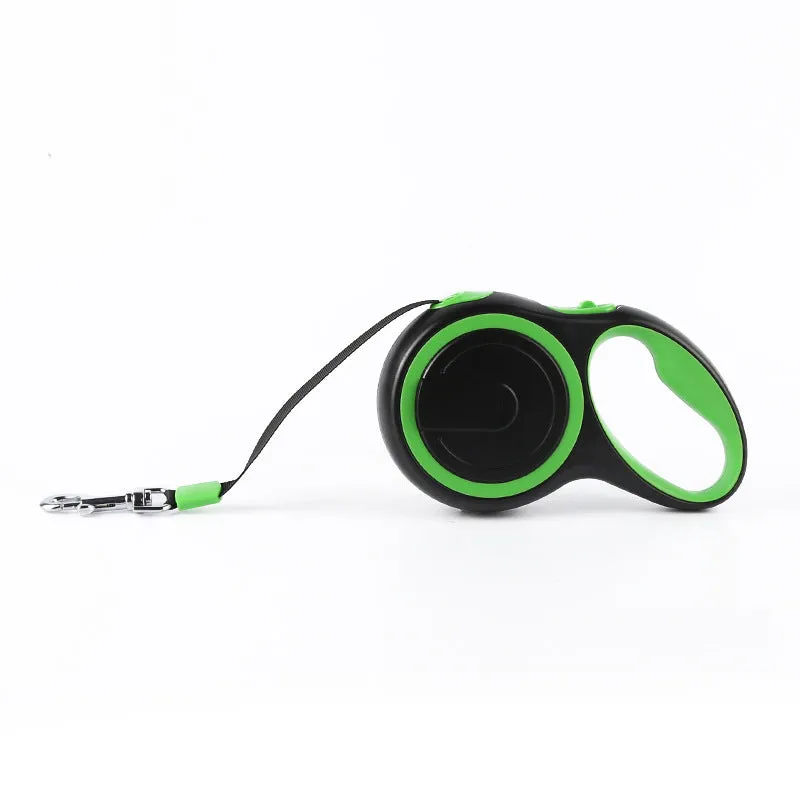
Australian Cattle Dogs working in snow and ice benefit from paw protection alongside body insulation. While this guide focuses on jackets, consider how outerwear integrates with your complete winter kit. A well-fitted jacket shouldn't interfere with a properly adjusted body leashes for dogs harness underneath, though you may need to refit the harness over the jacket for winter months.
After winter outdoor sessions, inspect and maintain your dog's coat and paws. Keep dog nail trimmer tools handy, as reduced outdoor activity can mean less natural nail wear during winter. Regular grooming maintains coat health that works alongside jacket protection rather than relying solely on outerwear.
Quality protective gear is an investment in your Australian Cattle Dog's comfort and working ability. Check the latest jacket options and apply our code for the best value on gear that keeps pace with this remarkable breed's energy and drive.
Frequently asked questions
Do Australian Cattle Dogs really need jackets in winter?
Active, healthy adult Australian Cattle Dogs often don't need jackets for moderate cold, but they benefit from protection when temperatures drop below 35°F with wind or wet conditions, especially during stationary periods. Seniors, puppies, and dogs with health issues need jackets at higher temperatures.
What size jacket does an Australian Cattle Dog typically wear?
Most adult Australian Cattle Dogs wear medium-sized jackets, but their muscular chest often requires adjustable designs. Measure your dog's back length (16-22 inches), chest girth (22-28 inches), and neck circumference (14-18 inches) for accurate sizing rather than relying on breed-based size charts.
Should I get a waterproof or water-resistant jacket for my Blue Heeler?
Choose waterproof for extended outdoor work, herding, or multi-hour exposure to rain and snow. Water-resistant jackets work fine for dogs that only go outside for short walks in occasional light rain. Australian Cattle Dogs that work livestock in winter conditions need true waterproof protection.
How do I know if the jacket fits my Australian Cattle Dog correctly?
A proper fit allows two fingers of space between fabric and body at all points, doesn't restrict shoulder movement during trotting, and stays in place without twisting during sitting and lying down. The chest area should be adjustable to accommodate this breed's broad, muscular build.
Can my dog wear a harness under their winter jacket?
Yes, but you may need to adjust harness straps or choose a jacket designed to accommodate harnesses underneath. For better fit, some owners attach the leash to a jacket with integrated D-ring attachments or place the harness over the jacket instead.
How long do dog jackets typically last for active breeds?
Quality jackets designed for active working breeds like Australian Cattle Dogs typically last two to four winter seasons with proper care, monthly inspections, and rotation between multiple pieces. Replace jackets when seams separate, closures fail, or waterproofing degrades significantly.