
Waterproof vs Regular Dog Jackets: Which Does Your Australian Cattle Dog Need?

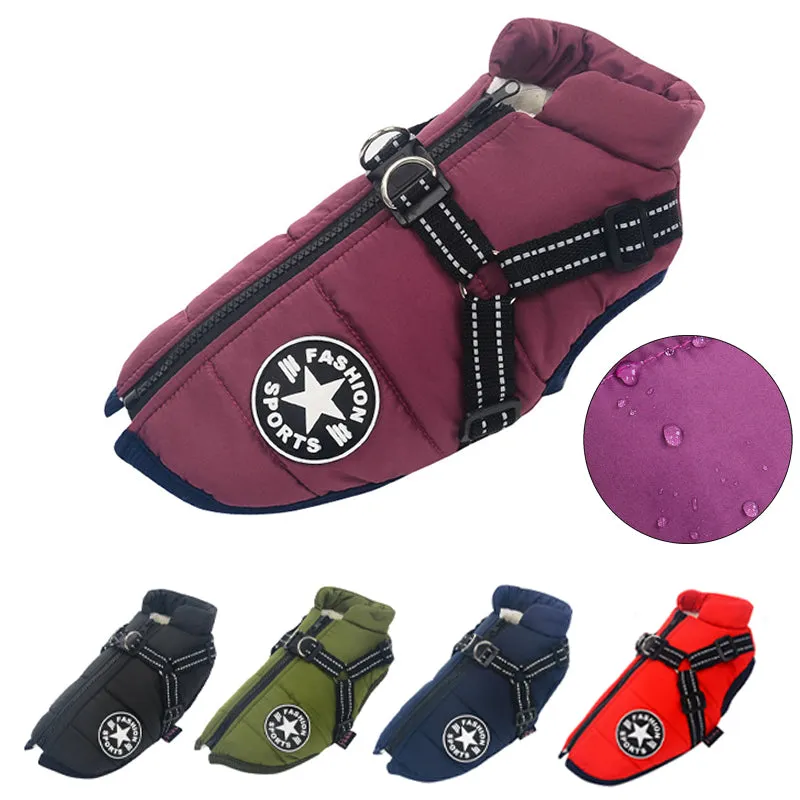
The best jackets for australian cattle dogs depend on whether your working breed spends time in rain and mud or needs occasional cold-weather protection during rest periods. Australian Cattle Dogs have a double coat that provides natural insulation, but their short to medium length fur offers limited protection against wet conditions and freezing temperatures. Understanding the difference between waterproof and regular dog jackets helps you match the right gear to your dog's lifestyle, whether they're herding livestock, hiking trails, or simply aging into their senior years with less tolerance for cold.
When Your Australian Cattle Dog Needs a Waterproof Jacket
Waterproof jackets use sealed seams and water-repellent fabrics like coated nylon or polyurethane to keep rain, sleet, and snow from reaching your dog's skin. We recommend a waterproof dog jacket for Cattle Dogs who work outdoors in wet climates, accompany you on rainy hikes, or live in regions with frequent precipitation.
Australian Cattle Dogs bred for herding often spend hours in paddocks where morning dew, sudden showers, and muddy conditions are routine. A wet undercoat takes hours to dry and can lead to chilling, especially when temperatures drop. Waterproof outer layers let your dog shake off water instead of absorbing it, which maintains their core temperature and reduces the risk of hypothermia during extended outdoor work.
Look for jackets with breathable waterproof membranes rather than fully sealed plastic coatings. Cattle Dogs are high-energy working breeds, and non-breathable fabrics trap sweat and condensation, leaving your dog damp from the inside. Check the latest price on waterproof options that balance weather protection with ventilation.
Key features for waterproof jackets:
- Adjustable chest and belly straps that stay secure during movement
- Reflective trim for visibility in low light or fog
- Tail coverage or a rear flap to protect the hindquarters
- Machine-washable fabric that withstands mud and dirt
Regular Jackets for Cold, Dry Conditions
Regular dog coat options use insulated fabrics like fleece, quilted polyester, or wool blends without waterproof barriers. These jackets excel in cold, dry climates where your primary concern is retaining body heat rather than repelling moisture.
Australian Cattle Dogs with lean builds or lower body fat percentages feel the cold more acutely than stockier breeds. Senior dogs, puppies, and those recovering from illness also benefit from the extra insulation a regular jacket provides during winter walks or early morning outdoor time. Unlike waterproof shells, insulated jackets trap warm air close to the body and provide cushioning comfort.
We use regular jackets for short outdoor sessions in freezing temperatures where rain or snow isn't forecast. They're also ideal for indoor-outdoor transitions, like warming up after a cold car ride or providing an extra layer while your dog rests outside during chilly evenings.
Trade-offs to consider:
- Regular fabrics absorb water and lose insulation when wet
- Fleece and quilted materials dry slowly once saturated
- Mud and dirt cling more stubbornly to textured insulation
- Less durable for rough terrain or brush contact
For versatile cold-weather protection, explore canine jackets that layer over your dog's natural coat without restricting shoulder movement.
Material Comparison: What Each Jacket Type Offers
Choosing between waterproof and regular jackets comes down to the specific materials and how they perform in real-world conditions. This table breaks down the core differences:
| Material Type | Best Use Case | Maintenance |
|---|---|---|
| Coated nylon (waterproof) | Rain, wet grass, mud | Wipe clean, quick-dry |
| Fleece (regular) | Dry cold, indoor-outdoor | Machine wash, slow-dry |
| Quilted polyester (regular) | Freezing temps, wind chill | Machine wash, fluff-dry |
| Breathable membrane (waterproof) | Active work in wet weather | Gentle wash, air-dry |
Australian Cattle Dogs have a natural coat pattern that includes a dense undercoat, but it compresses when wet and offers minimal wind resistance. Waterproof shells block wind and precipitation without adding bulk, while insulated regular jackets provide loft and warmth but sacrifice weather resistance.
We often recommend owning both types if your Cattle Dog experiences varied seasonal conditions. Pairing a lightweight waterproof shell for spring and fall rain with a heavier insulated jacket for winter gives you flexibility as weather shifts. Grab the code for 10% off when you stock up on multiple jacket styles.
Sizing and Fit for Working Breeds
Australian Cattle Dogs are muscular, agile dogs with deep chests and strong shoulders. Jackets designed for companion breeds often fit poorly, restricting movement or sliding out of place during activity. Measure your dog's chest girth at the widest point behind the front legs, back length from collar to tail base, and neck circumference to match manufacturer sizing charts.
For working Cattle Dogs, prioritize freedom of movement over snug coverage. The jacket should allow full extension of the front legs without riding up or bunching at the shoulders. Test the fit by having your dog trot, crouch, and shake before committing to a style.
Adjustable straps at the chest, belly, and sometimes neck let you customize the fit as your dog builds or loses muscle. Velcro closures adjust faster than buckles when you're suiting up a dog eager to get moving, but buckles tend to last longer under repeated use.
Common fit issues to avoid:
- Jackets that cover the tail base and restrict bathroom posture
- Chest straps that chafe during extended wear
- Sleeves or leg openings that shift and cause rubbing
- Collars that interfere with your canine leash attachment point
Practical Care Tips for Both Jacket Types
Maintaining jacket performance extends the lifespan of your investment and keeps your Australian Cattle Dog comfortable. Waterproof jackets lose their repellency over time as dirt and oils from your dog's coat clog the fabric pores. Wash waterproof gear with technical fabric detergent, tumble dry on low if the care label allows, and reapply DWR (durable water repellent) spray every few months.
Regular insulated jackets accumulate hair, dander, and odor more readily than smooth waterproof shells. We wash fleece and quilted styles after every muddy outing or at least weekly during heavy use. Avoid fabric softener, which coats fibers and reduces breathability.
Store jackets flat or hung when not in use to prevent permanent creases that compromise waterproof seams. Inspect stitching, straps, and closures regularly, especially if your Cattle Dog's outdoor work involves barbed wire, brush, or other snag hazards.
Between outdoor adventures, keeping your dog's coat trimmed and nails maintained makes jacket fitting easier and reduces wear on fabric. A dog nail trimmer helps prevent snags, while a dog hair buzzer keeps seasonal shedding under control around collar and strap contact points.
Who Benefits Most from Each Style
Waterproof jackets suit Australian Cattle Dogs who:
- Work livestock in variable weather year-round
- Accompany you on water-adjacent activities like beach walks or kayaking
- Live in regions with high annual rainfall or frequent drizzle
- Have thin coats or reduced undercoat density due to genetics or health
Regular insulated jackets suit Cattle Dogs who:
- Experience harsh winters but limited precipitation
- Are seniors, puppies, or convalescing adults with lower cold tolerance
- Spend short periods outdoors in freezing temperatures
- Need a cozy layer for rest periods between high-activity sessions
For comprehensive cold-weather insights, The Best Winter Jackets and Raincoats for Dogs offers testing methodology and material breakdowns, while Best Cold Weather Coats and Jackets for Dogs of 2026 covers performance in extreme conditions.
We find that most active Australian Cattle Dogs benefit from starting with a versatile jacket dog option in a waterproof shell style, then adding insulation as you observe your individual dog's tolerance for cold and wet. Visit Dogs Harness Australia to compare current styles and use our discount code for the best value on quality gear that keeps your working breed comfortable in any weather.
Frequently asked questions
Do Australian Cattle Dogs really need jackets with their double coat?
Australian Cattle Dogs have a short to medium double coat that insulates against moderate cold but offers limited protection in rain, snow, or freezing temperatures. Senior dogs, lean individuals, and those working outdoors for extended periods benefit from waterproof or insulated jackets to maintain core temperature and prevent hypothermia.
Can I use a waterproof dog jacket in summer?
Waterproof jackets are not recommended for warm weather unless they feature breathable membranes and ventilation panels. Australian Cattle Dogs are prone to overheating during intense activity, and non-breathable waterproof fabrics trap heat and moisture, increasing the risk of heat stress.
How do I know if a regular insulated jacket will get too wet?
Regular insulated jackets absorb water and lose their warming ability when saturated. If your forecast includes rain, sleet, or heavy snow, or if your dog will be working in wet grass or mud for more than 20 to 30 minutes, switch to a waterproof shell instead.
What jacket length works best for Australian Cattle Dogs?
Jackets that cover from the base of the neck to just before the tail base provide the best balance of coverage and mobility for Australian Cattle Dogs. Avoid styles that extend over the tail or hindquarters, as they restrict movement during crouching, running, and bathroom breaks.
Should I buy a waterproof jacket one size up for layering?
Sizing up compromises fit and allows the jacket to shift during activity, which can chafe or restrict movement. Instead, choose a waterproof shell in your dog's true size and select regular insulated jackets with enough room to wear over a thin base layer if needed for extreme cold.
How often should I replace my dog's jacket?
Replace waterproof jackets when the fabric no longer repels water after cleaning and retreatment, typically every two to four years with regular use. Replace insulated jackets when the fill compresses permanently, seams fray, or straps lose their adjustability, usually every one to three years depending on activity level.