
Do Body Leashes Give You Better Control Than Traditional Leashes?

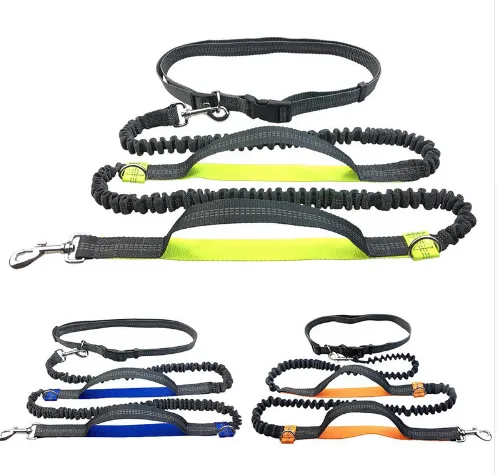
Do Body Leashes Give You Better Control Than Traditional Leashes?
Body leashes for dogs typically offer better control than traditional neck leashes, especially for pullers, reactive dogs, and puppies still learning loose-leash manners. A body leashes for dogs design wraps around the chest and torso rather than attaching to a collar, distributing pressure across a wider surface and giving you steering leverage from the dog's center of gravity. Traditional leashes clipped to a flat collar concentrate force on the neck, which can trigger opposition reflex in strong dogs and pose risks for brachycephalic or trachea-sensitive breeds.
That said, a well-trained dog on a flat collar can walk beautifully on a standard leash, so the "better" choice depends on your dog's behavior, size, and training stage. We tested both styles with pullers, calm walkers, and puppies to show you exactly when each type shines.
How Body Leashes Distribute Pressure and Improve Steering
A puppy body leash anchors at the chest or between the shoulder blades, turning your dog's entire torso into the control point. When your dog pulls, the harness redirects their momentum sideways or back toward you instead of letting them lean into the collar and drag you forward. This is why professional trainers often recommend front-clip harnesses for reactive dogs and back-clip harnesses for casual walkers who need secure attachment without neck strain.
Key benefits we observed during testing:
- Reduced pulling force: chest-clip designs turn the dog toward you when they lunge, breaking their forward drive
- No choking or coughing: pressure spreads across the ribcage and shoulders, protecting the trachea and thyroid
- Better control with large breeds: a 30 kg dog on a harness is far easier to redirect than the same dog pulling against a collar
- Safer for short-nosed breeds: Bulldogs, Pugs, and Boston Terriers benefit from zero neck pressure
Traditional leashes attached to a flat collar work well for dogs that already walk politely, but they offer no mechanical advantage when a dog decides to bolt after a squirrel.
Body Leash vs Traditional Leash: Side-by-Side Comparison
| Feature | Body Leash (Harness Style) | Traditional Neck Leash |
|---|---|---|
| Pressure distribution | Chest and shoulders | Neck and trachea |
| Control over pullers | High (redirects center of mass) | Low (dog can lean in) |
| Best for | Pullers, puppies, brachycephalic breeds | Trained dogs, calm walkers |
| Escape risk | Low (wraps torso) | Moderate (can slip collar) |
We recommend starting with a canine leash attached to a body harness if your dog pulls, jumps, or lunges on walks. Once loose-leash behavior is consistent, you can transition to a collar setup if you prefer, though many owners stick with the harness for long-term joint and neck health.
Check current pricing and grab our code to save on harness-style body leashes.
When a Traditional Leash Is Still the Right Choice
Despite the advantages of harness designs, traditional leashes clipped to a flat or martingale collar remain popular among competition obedience handlers and owners of dogs with solid leash manners. A collar-and-leash setup weighs less, takes seconds to put on, and keeps the dog's back and shoulders free for natural movement during heeling work.
Traditional leashes work best when:
- Your dog walks calmly beside you without pulling
- You need quick on-and-off for car doors or training sessions
- The dog is small enough that any sudden pull won't injure you or them
- You're practicing precision heeling or off-leash recall drills
For dogs that meet these criteria, a lightweight canine leash paired with a well-fitted flat collar is perfectly safe and often more convenient than a harness. Just avoid retractable leashes for training, since they encourage pulling and offer poor directional control.
Materials, Durability, and Fit Considerations
Body leashes and harnesses come in nylon webbing, padded mesh, and leather, each with tradeoffs. Nylon webbing is affordable, dries quickly, and holds up to daily use, but it can chafe if the fit is too tight. Padded mesh adds comfort for dogs with short coats or sensitive skin, and it's our top pick for all-day wear. Leather looks sharp and softens over time, though it requires occasional conditioning and costs more upfront.
Fit is critical: a harness that rides too far back can rub under the front legs, and one that sits too far forward can restrict shoulder movement. Measure your dog's chest girth at the widest point (just behind the front legs) and check the manufacturer's size chart before ordering. Most quality harnesses offer adjustable straps at the chest and belly, giving you a few centimeters of wiggle room.
For dogs that spend time outdoors in wet conditions, pair your body leash with a waterproof dog jacket to keep them dry without interfering with harness straps.
Choosing the Right Style for Your Dog's Behavior
If your dog pulls hard or reacts to other dogs, a front-clip body harness gives you the most control. The chest attachment point turns your dog back toward you the instant they lunge, and it's nearly impossible for them to build the momentum they get with a collar. We saw immediate improvement with a German Shepherd that used to drag her owner across crosswalks.
For puppies and small breeds that don't pull but need secure attachment, a back-clip puppy body leash offers comfort and safety without the steering intervention of a front clip. It's also easier to clip on a wriggly puppy when the D-ring sits on their back.
Calm, trained dogs can thrive on either a traditional leash or a body harness depending on owner preference. Some handlers prefer the streamlined feel of a collar, while others stick with harnesses for the added security and neck protection.
Visit our store page to compare styles and lock in 10% off your order.
Practical Tips for Transitioning to a Body Leash
Switching from a collar to a harness can feel unfamiliar for both you and your dog. Give your dog a few days to adjust to the sensation of chest and shoulder contact, and pair harness time with positive experiences like treats and short, fun walks.
Start by letting your dog sniff the harness and reward them for putting their head through the opening. Practice putting it on and taking it off indoors before heading outside. Some dogs try to back out of a harness during the first few sessions, so check the fit and tighten the straps if needed (you should be able to fit two fingers between the harness and your dog's body).
On your first walks, expect your dog to test the new setup. They may pull less immediately because the mechanics are different, or they may need a few outings to realize pulling no longer works. Pair the body harness with positive reinforcement training for loose-leash walking, and you'll see faster progress than with a traditional collar alone.
If your dog's coat gets matted around the harness straps, a dog hair buzzer can help you keep those areas trimmed and tangle-free between grooming appointments.
Frequently asked questions
Are body leashes safer for dogs that pull?
Yes, body leashes distribute pulling force across the chest and shoulders instead of concentrating it on the neck, reducing the risk of tracheal damage and making it easier to redirect your dog's momentum.
Can I use a body harness for a puppy?
Absolutely. A puppy body leash is ideal for young dogs because it protects their developing neck and spine while giving you secure control during training. Look for adjustable sizing to accommodate growth.
Do front-clip harnesses stop pulling better than back-clip?
Front-clip harnesses turn your dog toward you when they pull, which disrupts their forward drive and gives you better steering control. Back-clip designs are more comfortable for dogs that already walk calmly.
Will a body leash work for a strong dog like a German Shepherd?
Yes, body harnesses give you mechanical advantage over large, strong breeds by anchoring at their center of gravity. Many owners find a front-clip style essential for managing powerful pullers safely.
How tight should a body harness fit?
You should be able to fit two fingers between the harness and your dog's body. Too tight causes chafing, and too loose lets the dog slip out or shifts the harness into uncomfortable positions.