
How to Choose Between Bone Conduction and Air Conduction Headphones for Swimming

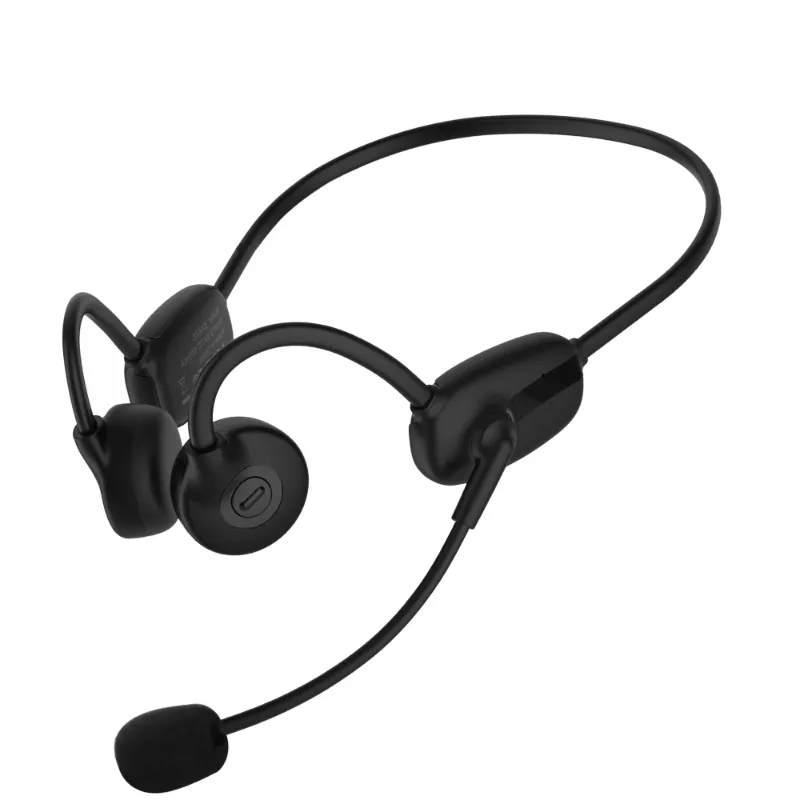
Understanding How Bone Conducting Headphones Work
Bone conducting headphones transmit audio by vibrating against your cheekbones, sending sound waves directly to your inner ear while leaving your ear canals completely open. This technology bypasses the eardrum entirely, which makes it fundamentally different from traditional air conduction earbuds that pump sound waves through your ear canal. For swimmers, this distinction matters because water pressure and movement can dislodge standard earbuds, while bone conducting headphones sit securely on your temples or wrap around the back of your head.
Air conduction headphones rely on speakers (or audio drivers) that create sound waves traveling through the air into your ear. They seal your ear canal partially or fully, which can trap water and increase infection risk during lap sessions. Bone conduction models eliminate that concern by keeping your ears open, though you'll sacrifice some bass response and maximum volume compared to sealed in-ear designs.
Best Bone Conduction Headphones for Swimming
When you're shopping for swimming headphones, verify the IP rating before you dive in. Look for IPX8 certification, which guarantees submersion beyond one meter, or dedicated swim ratings that specify saltwater resistance. Many conduction headphones marketed as "sweat-proof" only carry IPX4 or IPX5 ratings and will fail in the pool.
Key features for swim-ready bone conduction models include:
- Wraparound titanium bands that stay put during flip turns
- Onboard storage (4 GB or more) so you can load MP3s and leave your phone poolside
- Physical buttons instead of touch controls, which don't work underwater
- Secure fit with adjustable or moldable frames
The swimbuds bone conduction 2 wearable mp3 player combines built-in storage with an IPX8 rating, letting you swim without a separate device. If you already own a waterproof MP3 player, a standalone pair of underwater headphones will pair via Bluetooth on land and switch to wired or onboard mode in the water.
Check the latest pricing and grab our discount code to save 15% on swim-certified models from Naenka Tech.
Air Conduction Earbuds for Swimming: When They Make Sense
Air conduction earbuds for swimming seal your ear canal with silicone or foam tips, delivering fuller bass and better noise isolation than bone conduction alternatives. They work well for pool swimmers who want to block out splashing and pool-deck chatter, but they require a snug fit to prevent water ingress.
Pros of air conduction for swimming:
- Richer low-frequency response for bass-heavy playlists
- Higher maximum volume in noisy environments
- Wider selection of models and price points
Cons compared to bone conduction:
- Risk of trapping water against the eardrum
- Less situational awareness (you won't hear lane-mates or lifeguard whistles)
- Tips can dislodge during backstroke or open-water swells
If you swim in open water or share a lane, bone conduction keeps you safer by letting you hear ambient sounds. For solo pool laps where immersion matters more than awareness, air conduction waterproof headphones deliver better audio fidelity.
Comparing Sound Quality and Fit
| Feature | Bone Conduction | Air Conduction |
|---|---|---|
| Bass response | Moderate (vibration limits low-end) | Strong (sealed canal reinforces bass) |
| Situational awareness | Full (ears open) | Minimal (ears sealed) |
| Swim security | Excellent (frame wraps head) | Good (depends on tip seal) |
| Comfort for long sets | High (no ear pressure) | Variable (tips can cause fatigue) |
Bone conduction models sit in front of your ear, resting on the temporal bone. You'll feel a gentle vibration during playback, which some swimmers find distracting for the first few sessions. Air conduction earbuds push into the ear canal, and even the best silicone tips can cause soreness after an hour of wear.
For dryland training, low latency matters if you're following video workouts or syncing audio to a treadmill screen. Bone conduction typically introduces 80 to 150 ms of lag over Bluetooth, while wired air conduction eliminates delay entirely. Most swimmers won't notice latency underwater since Bluetooth doesn't transmit through water anyway.
Are Bone Conduction Headphones Safe for Daily Use?
Bone conduction headphones are safe for most users because they don't insert anything into the ear canal or expose the eardrum to high sound pressure. The vibrations travel through bone, not air, so you avoid the hearing damage associated with prolonged high-volume earphone use. However, experts at Wirecutter note that cranking bone conduction models to maximum volume can still overstimulate the cochlea, so keep playback at moderate levels.
Some users report mild tingling or pressure on the cheekbones after extended sessions, especially with cheaper models that use stronger vibration motors to compensate for weak audio driver design. Premium brands like Shokz use optimized transducers that deliver clear audio with less vibration intensity.
If you have a history of temporomandibular joint (TMJ) issues or chronic migraines, test a pair before committing to bone conduction. The pressure on your temples can aggravate jaw tension in sensitive individuals.
Choosing the Right Type for Your Swim Routine
Match your headphone type to your training environment and audio priorities:
Pick bone conduction if you:
- Swim in open water or share lanes (you need ambient awareness)
- Want to avoid ear infections from trapped water
- Prefer a secure fit that survives dive starts and flip turns
- Don't mind moderate sound quality in exchange for safety and comfort
Pick air conduction if you:
- Swim solo in a controlled pool environment
- Prioritize audio fidelity and bass for motivation
- Already use custom-molded earplugs or swimmer's ear prevention
- Want the widest selection of brands and features
For triathletes who transition between swim, bike, and run, bone induction earphones offer the versatility to hear traffic and training partners on land while staying secure in the water. Pair them with noise reduction features for airplane travel, and you've covered every leg of your race prep.
Visit our Naenka Tech discount code page to find current deals on both conduction types, and compare IP ratings before you buy. We test every model in the pool and publish real-world durability results, so you can invest in headphones that last through hundreds of training hours.
Frequently asked questions
How do bone conduction headphones work underwater?
Bone conduction headphones vibrate sound through your cheekbones to your inner ear, bypassing water in the ear canal. However, Bluetooth doesn't work underwater, so you'll need models with onboard MP3 storage for swim use.
Can I use bone conducting headphones for open water swimming?
Yes, bone conducting headphones are ideal for open water because they keep your ears open to hear boats, swimmers, and safety signals. Look for IPX8-rated models with secure wraparound bands that won't shift in waves.
Are bone conduction headphones better than earbuds for swimming?
Bone conduction headphones are safer for swimming because they don't seal your ear canal, reducing infection risk and improving awareness. Earbuds offer better sound quality but can trap water and dislodge more easily.
Do bone conduction headphones cause hearing damage?
Bone conduction headphones are generally safer than traditional earbuds because they don't pressurize the ear canal. However, you can still damage your hearing by playing audio at maximum volume for extended periods.
What IP rating do I need for swimming headphones?
Look for IPX8 certification, which guarantees submersion resistance beyond one meter. Lower ratings like IPX4 or IPX5 only protect against sweat and splashes, not full immersion during lap swimming.
Can air conduction earbuds stay in during flip turns?
Air conduction earbuds can stay in during flip turns if you use the right size tips and secure them with a swim cap. However, bone conduction headphones with wraparound bands are more reliably secure for aggressive swimming.