
How to Break In and Condition a New Leather Purse

# How to Break In and Condition a New Leather Purse
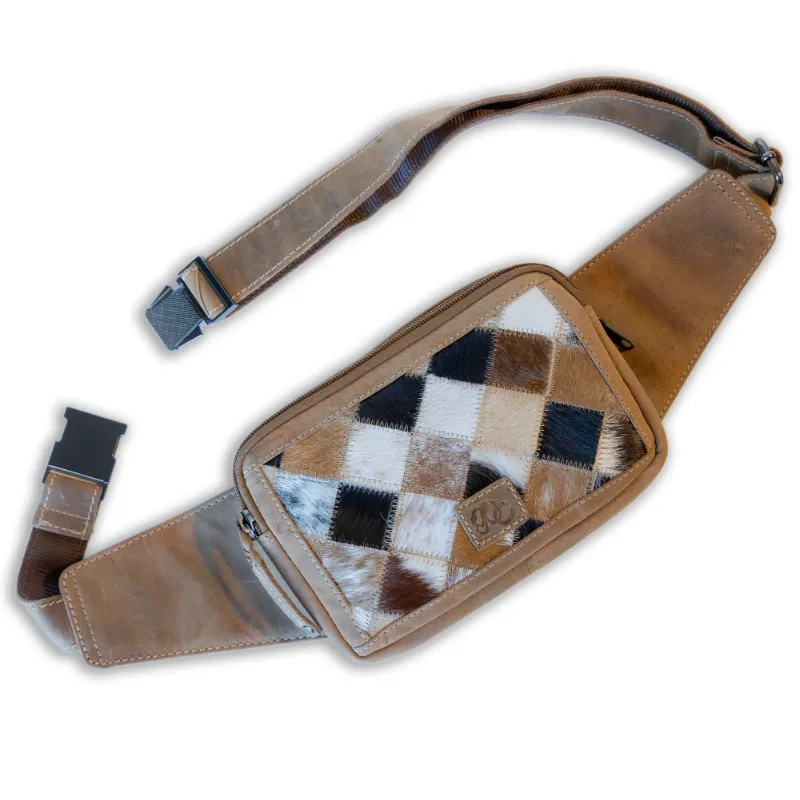
There's nothing quite like the feel of a brand-new leather purse — or the disappointment of realizing it's stiff, squeaky, and refuses to sit the way you imagined. The good news? That's completely normal. New leather is supposed to feel firm at first, and with a little patience and proper care, your leather crossbody purse will soften, mold to your body, and develop that gorgeous lived-in patina that makes leather so special.
In this guide, we'll walk you through everything you need to know to break in and condition a new leather purse the right way, so it lasts for decades instead of seasons.
Why New Leather Feels Stiff
Genuine leather — especially high-quality full grain leather wallets and bags — is a natural material with dense fibers. Manufacturers often finish leather with waxes and treatments that keep it structured during shipping and display. When you first unbox a new leather purse, those fibers haven't been flexed yet. Think of it like a new pair of leather boots: unworn leather is rigid, broken-in leather is buttery.
The break-in process simply accelerates the natural softening that happens with everyday use — done safely, without cracking or drying out the material.
Step 1: Start with a Clean Surface
Before you apply any product, wipe down your purse with a soft, dry microfiber cloth to remove dust and residue. If needed, use a slightly damp cloth — never soak the leather — and let it dry completely away from direct heat or sunlight.
For structured pieces like a concealed carry purse or concealed carry bag, pay extra attention to seams and hardware, where dust tends to collect.
Step 2: Flex the Leather Gently
The best way to break in leather is movement. Here's how to do it without damaging anything:
- Work the straps and handles. Roll, squeeze, and flex them between your hands for a few minutes each day.
- Load it lightly. Fill your purse with soft items (a scarf, a towel) to encourage the body of the bag to relax. Avoid overstuffing, which can stretch leather permanently.
- Wear it often. The natural motion of carrying a leather crossbody purse across your body does more than any at-home trick. Body heat and movement soften the leather exactly where you need it.
Most purses break in noticeably within one to two weeks of regular wear.
Step 3: Condition the Leather
Once the leather has had some initial flexing, conditioning keeps it supple and prevents cracking. Here's the process:
- Choose the right conditioner. Use a quality leather conditioner — creams and balms made for finished leather work best. Test it on a hidden spot (like the bottom panel) first.
- Apply sparingly. A little goes a long way. Use a soft cloth to work a thin layer into the leather using circular motions.
- Let it absorb. Wait 15–30 minutes, then buff off any excess with a clean cloth.
- Repeat as needed. Condition every 3–6 months, or whenever the leather starts to look dry or dull.
Conditioning is especially important for bags that live outdoors, like a durable crossbody purse you wear daily or a rugged concealed carry backpack exposed to the elements.
Step 4: Protect It Going Forward
Breaking in your purse is just the beginning. Keep it looking its best with these habits:
- Keep it dry. If it gets wet, blot — don't rub — and air dry it away from heaters.
- Rotate your bags. Leather needs rest days to breathe.
- Store it properly. Stuff it with tissue paper and keep it in a dust bag, never plastic.
- Condition seasonally. Dry winter air and summer sun both leach moisture from leather.
A Note for Concealed Carry Owners
If your new purse doubles as a conceal carry purse, the break-in process matters even more. The holster compartment and zipper need to move smoothly and sit in the right position on your body for quick, discreet access.
When breaking in a lady conceal hailey crossbody with concealed carry, focus on:
- Working the holster pocket by inserting and removing your firearm (unloaded!) repeatedly so the leather or lining relaxes.
- Adjusting the strap so the bag sits exactly where you want it — this positioning becomes your muscle memory.
- Flexing the zippers with a graphite or wax lubricant if they feel sticky at first.
The same principles apply if you carry in a dedicated concealed carry bag. And for those who prefer backcountry carry, breaking in a concealed carry backpack follows the same steps — with extra attention to strap conditioning, since backpacks bear more weight.
Matching Your Purse with the Rest of Your Leather Gear
Once you've mastered purse care, the same techniques apply across your collection:
- Wallets: Condition your money clip wallet or slim clip wallet the same way — thin layers, gentle buffing. Leather that sits in your back pocket dries out faster, so condition these more often.
- Full grain pieces: If you invest in full grain leather wallets, expect a stiffer break-in but a stunning patina over time. Full grain is the highest quality cut of leather and rewards good care with decades of use.
- Range gear: Worn-in range leather gear needs conditioning too — gunpowder residue, sweat, and sun are hard on leather, so clean and condition it after every few range trips.
Common Mistakes to Avoid
- Using too much conditioner. Over-conditioning clogs the pores and can make leather greasy and stretchy.
- Applying heat to speed up drying. Hair dryers and radiators cause cracking.
- Skipping the patch test. Some conditioners darken leather. Always test first.
- Using mink oil or heavy oils on lightweight purses. These can oversaturate and darken fine bag leathers — save them for boots.
- Forcing the break-in. Bending leather sharply against the grain to "soften it faster" causes creases and weak spots.
Final Thoughts
Breaking in a new leather purse is a slow, satisfying process — a two-week ritual that ends with a bag that fits your body and lifestyle perfectly. Flex it gently, condition it properly, and wear it often. Whether you're breaking in a classic leather crossbody purse, a functional concealed carry purse, or adding a new leather purse to your rotation, a little care now pays off with years of beautiful, supple leather.
Ready to find your perfect purse? Browse the full collection of crossbody purses for women at UC Leather Company — and don't forget to grab 10% OFF All Orders with the current UC Leather Company discount code before you check out.
Frequently asked questions
How long does it take to break in a new leather purse?
Most leather purses break in noticeably within one to two weeks of regular wear. Full grain leather can take a month or more to fully soften, but the result is worth the patience — the leather molds to your body and develops a rich patina.
How often should I condition my leather purse?
A good conditioner every 3–6 months is usually sufficient. Condition more often if the purse is exposed to sun, dry air, or heavy daily use — or if the leather starts to look dull or feel dry.
Will conditioning darken my leather purse?
This depends on the leather type and finish. Many conditioners will darken leather slightly, so always test on a hidden area first. If a natural patina is what you want, gentle darkening can enhance the bag's character.
Can I speed up the break-in process?
Yes — as long as you do it gradually. Fill the bag with soft items like scarves or towels, avoid sharp bends against the grain, and never overstuff it, which can permanently stretch the leather.
How do I break in a concealed carry purse?
The same conditioning rules apply, but pay special attention to the holster compartment. Insert and remove your unloaded firearm repeatedly to soften the pocket, flex the zippers if they're stiff, and adjust the strap so the bag sits in your ideal carry position.