
How to Choose a Concealed Carry Purse: What to Look for Before You Buy

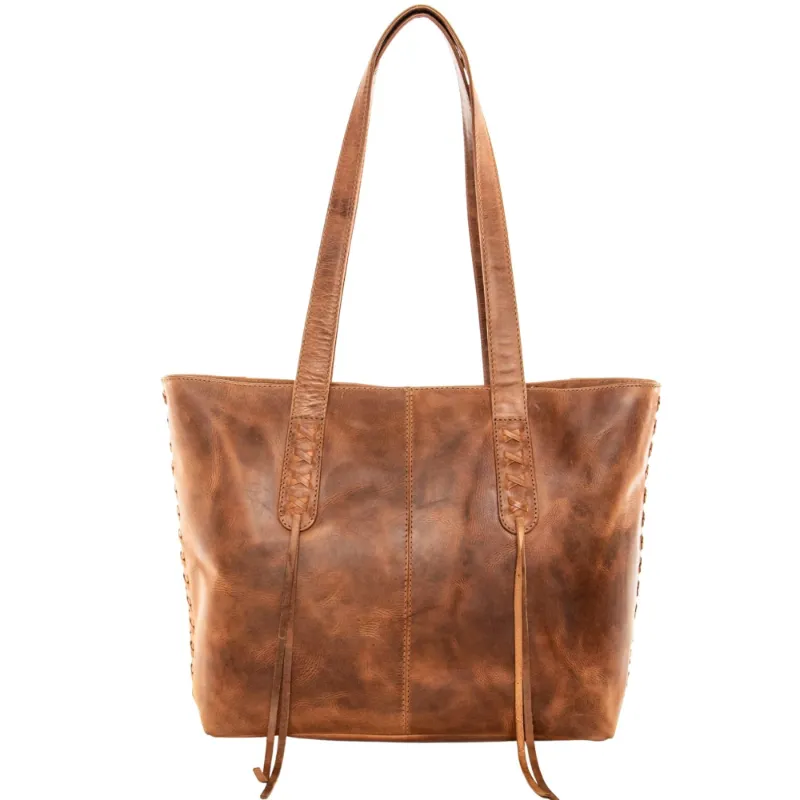
A good concealed carry purse lets you carry your firearm off-body with a dedicated, lockable holster compartment, quick access, and a strap design that keeps the bag attached to you at all times. The difference between a cheap bag and one that actually works comes down to the holster pocket, the zipper direction, the strap, and the leather. Here is exactly what we check before we recommend any carry purse.
What a Concealed Carry Purse Needs to Actually Work
Before we get into styles and materials, these are the non-negotiables. If a bag fails any of these, it is a purse with a pocket, not a carry bag.
- Dedicated holster compartment. The gun pocket should be separate from your wallet, keys, and lip balm, with a hook-and-loop or snap-secured holster insert inside. A loose gun rattling around next to your credit cards is how negligent discharges happen.
- Ambidextrous access. Look for zippers that run both directions or sides so left- and right-handed carriers can draw without repositioning the bag.
- Lockable zippers. Two zipper pulls that meet in the middle let you lock the compartment closed, which matters in homes with kids or when you set the bag down.
- Full-length, straight-line access. The opening should let you get a full grip on the firearm without snagging the draw. Narrow or angled openings slow you down when it counts.
- Reinforced straps. A loaded purse is heavier than it looks. Straps should be stitched, not just glued, and attached to the body of the bag, not the lining.
Our pick that hits all five points is the concealed carry purse, which pairs a dedicated lockable holster compartment with full-grain leather that holds its shape over years of daily use.
Leather Quality: Full Grain vs Everything Else
Leather quality is where most carry purses quietly cut corners. Thinner, bonded leather softens and sags under the weight of a firearm, which throws off your draw and shortens the bag's life.
- Full grain leather is the top layer of the hide with the grain intact. It is the strongest cut, develops a patina, and resists stretching. This is what we look for in a leather crossbody purse that will carry weight daily.
- Top grain leather is slightly sanded and more uniform. Fine for most uses, but it will show wear faster under a loaded holster.
- Bonded or genuine leather is leftover fibers pressed together. Avoid it for carry bags entirely.
Beyond the leather, check the hardware. Solid brass or steel zippers and rivets last; hollow alloy pulls fail right when you need them. The full grain leather wallets we carry use the same hide standard we want in a carry purse, for the same reason: it has to survive being opened and closed dozens of times a day.
Crossbody vs Shoulder vs Backpack Style
How the bag rides on your body is as important as what is inside it. Crossbody and backpack styles beat shoulder bags for one big reason: a grab-and-run thief cannot snatch them as easily.
| Style | Best For | Watch Out For |
|---|---|---|
| Crossbody | Daily carry, travel, hands-free use | Strap length must allow the bag to sit at your front |
| Shoulder bag | Dressier occasions, more interior space | Easier to grab off the shoulder |
| Backpack | Range days, long errands, heavy loads | Gun access can be slower; check rear-panel placement |
For most people, we point them to crossbody purses for women because keeping the bag in front of your body gives you constant awareness of it and faster access. The lady conceal hailey crossbody with concealed carry is a good example of the layout done right: the holster pocket sits against the body side, so the draw comes naturally and the compartment stays concealed. If you are comparing options side by side, the concealed carry bag is worth a look as a roomier alternative.
If you mostly carry on range days or long trips, a concealed carry backpack distributes weight better, and a dedicated range leather setup keeps range bags and EDC separate.
Sizing: Does Your Firearm Fit?
Nothing frustrates buyers more than ordering a purse and finding their pistol does not seat properly in the holster insert. Before you buy:
- Measure your firearm. Overall length and height, including any mounted light or laser. Compare those numbers to the holster compartment's interior dimensions, not the bag's exterior size.
- Check the holster insert. A universal hook-and-loop insert adjusts to different frames; a molded pocket only fits specific models.
- Account for a spare magazine. If you carry a reload, make sure the compartment has room or a dedicated mag slot.
- Consider the bag's balance. A subcompact in an oversized tote shifts around; a full-size pistol in a tiny crossbody bulges. Match gun size to bag size.
Who a Concealed Carry Purse Suits Best
Off-body carry is not for everyone, and we would rather tell you that than sell you a bag.
- Good fit: carriers whose clothing makes on-body holsters impractical, people in warm climates who carry off-body year-round, and anyone who wants their firearm out of reach of children while still secured.
- Think twice if: you frequently set your bag down unattended, or you cannot commit to keeping the bag on your body. The single biggest rule of off-body carry is that the purse is your holster, and it never leaves your side.
Pairing the purse with a slim money clip wallet or clip wallet also keeps the main compartment less crowded, which speeds up your access to the holster section.
Care and Where to Buy
Full-grain leather carry purses need almost no fuss. Wipe off dust with a dry cloth, condition lightly once or twice a year, and let the bag air dry if it gets soaked. Skip the heavy oils; they darken leather unevenly.
When you are ready to buy, UC Leather Company is our pick because every carry purse we tested from them used full-grain leather, stitched straps, and a properly lined holster compartment, and the pricing stayed reasonable for that build level. Grab the code before you check out; there is a standing 10% off offer on all orders, and the page lists current pricing so you are not guessing. If you are still browsing, their broader leather purses collection is the easiest place to compare silhouettes, and you can also check the latest price on the carry models while you are there.
Choose the compartment first, the leather second, the style third. Get those in that order and your concealed carry purse will serve you for a decade.
Frequently asked questions
What should I look for in a concealed carry purse holster compartment?
The compartment should be separate from the main pocket, lined, and include a hook-and-loop or snap holster insert. Look for lockable zippers that meet in the middle and an opening long enough for a full grip on your firearm.
How do I know if my pistol will fit in a carry purse?
Measure your firearm's overall length and height, including any mounted light or laser, and compare those numbers to the compartment's interior dimensions. A universal hook-and-loop insert gives you the most flexibility across different firearms.
Are crossbody concealed carry purses safer than shoulder bags?
Yes, when they keep the bag positioned at the front of your body. A crossbody strap is much harder for a thief to grab off your shoulder than a standard shoulder bag, and it gives you faster access to the holster compartment.
Is full grain leather worth it for a concealed carry purse?
Full grain leather is the best choice. It is the strongest cut of the hide, resists stretching under the weight of a firearm, and develops a patina over years of daily use. Avoid bonded or genuine leather for carry bags.
Does the Lady Conceal Hailey crossbody fit compact pistols?
It fits subcompact and compact pistols well when the holster insert is adjusted properly. Always measure your specific firearm against the compartment's interior dimensions before ordering.
How should I maintain a leather carry purse?
The purse is your holster, so keep it on your body at all times and never set it down unattended. Lock the compartment whenever the bag is at home to keep the firearm out of reach of children.