
Money Clip Wallet vs Bifold Wallet: Which Is Better for Everyday Carry?

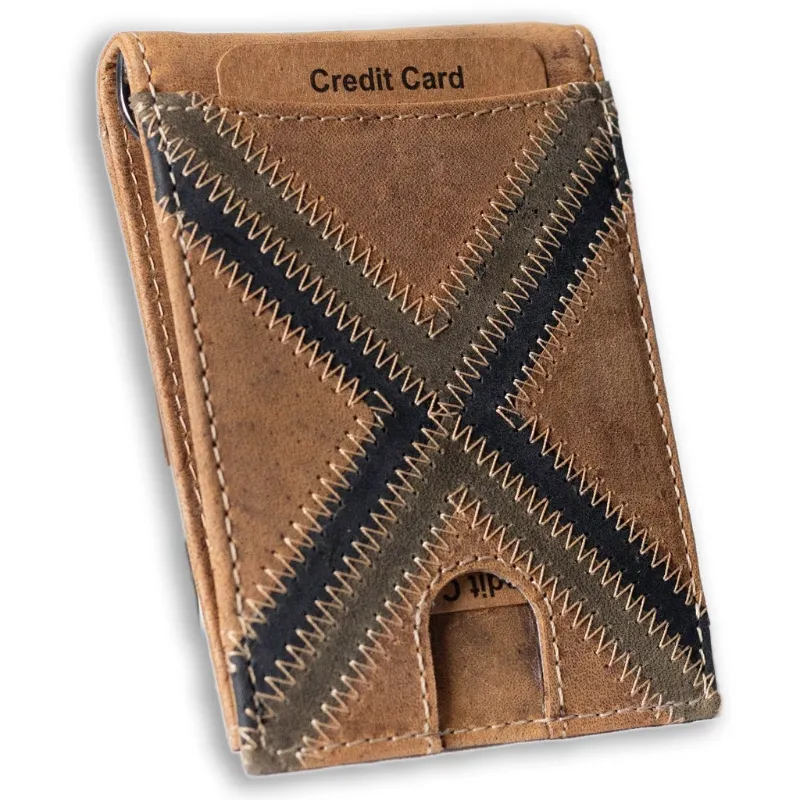
Money Clip Wallet vs Bifold Wallet: Which Is Better for Everyday Carry?
A money clip wallet strips your pocket carry down to cash and essentials, while a bifold wallet offers dedicated card slots and a familiar fold. We tested both styles daily to help you decide which design suits your routine, pocket space, and the way you actually pay for things.
If you carry fewer than eight cards and prefer front-pocket carry, a clip wallet usually wins. If you need room for receipts, multiple loyalty cards, or a traditional back-pocket feel, a bifold remains the better choice. Below we break down capacity, materials, durability, and real-world carry so you can pick the right one.
What Is a Money Clip Wallet and How Does It Work?
A money clip wallet combines a spring-loaded or magnetic clip for folded bills with one or two card pockets. Most designs hold three to six cards in a sleeve on one side and grip cash on the other. The clip itself can be an external metal fixture or an integrated tension band inside a leather sleeve.
UC Leather Company's clip wallet uses a stainless-steel clip riveted to full-grain leather, so bills stay tight without adding bulk. You slide your daily cards into the leather pocket and fold cash under the clip. The entire wallet sits flat in a front pocket and measures about 3 by 4 inches, roughly half the thickness of a traditional bifold when loaded.
The trade-off is capacity. You sacrifice dedicated billfold compartments and extra card slots for a slimmer profile. If you carry more than six cards or need quick access to multiple compartments, a clip design forces you to dig through a single stack.
Bifold Wallet Capacity and Organization
A bifold folds in half and typically offers four to eight card slots, one or two bill compartments, and sometimes a clear ID window. That extra real estate lets you organize cards by type, separate cash denominations, and tuck in receipts or a spare key.
The downside is bulk. Even slim bifolds double in thickness once you load them with cards, and most riders sit in a back pocket where they create pressure points. We measured a standard leather bifold at about 4.5 inches tall and 0.75 inches thick with seven cards and folded bills inside, compared to 0.4 inches for a loaded money clip wallet.
Bifolds also wear unevenly. The fold crease ages faster than flat panels, and back-pocket carry compresses the leather over time. Full grain leather wallets resist creasing better than corrected or bonded leather, but the folding stress remains.
Everyday Carry Comparison: Pocket Space and Access Speed
| Feature | Money Clip Wallet | Bifold Wallet |
|---|---|---|
| Thickness (loaded) | 0.3–0.5 inches | 0.7–1.0 inches |
| Card capacity | 3–6 cards | 6–12 cards |
| Cash access | Instant (external clip) | Requires unfolding |
| Front-pocket fit | Excellent | Tight or bulky |
We carried both styles for two weeks each. The clip wallet disappeared in a front pocket and let us pull cash in one motion at coffee shops. The bifold required two hands to open and felt bulkier in jeans, but switching between cards was faster because each had its own slot.
For minimalist carry, grab a money clip wallet and check the latest price with our exclusive discount code. For traditional organization, a bifold still wins if you need more than six cards daily.
Material and Durability: Leather Quality Matters
Both styles depend on leather grade and hardware quality. Full-grain leather develops a patina and resists tearing better than top-grain or genuine leather. Stainless-steel clips outlast plated or aluminum versions, which bend or lose tension after a few months.
UC Leather Company uses vegetable-tanned full-grain hides for both wallet types, so expect similar aging and durability. The clip itself is a weak point in cheaper designs, so test the spring tension before you buy. A loose clip lets bills slide out, and over-tightening a weak spring snaps it within weeks.
Stitching also matters. Look for saddle-stitched seams rather than machine lock-stitch, especially at stress points where the clip attaches or the bifold folds. Saddle stitching holds even if one thread breaks, while machine stitching unravels quickly.
Who Should Choose Each Style?
Pick a money clip wallet if you:
- Carry fewer than six cards daily
- Prefer front-pocket carry for comfort and security
- Pay with cash or a single card most of the time
- Want the slimmest possible profile
- Dislike sitting on a bulky wallet
Pick a bifold wallet if you:
- Carry seven or more cards, receipts, or business cards
- Like dedicated compartments for organization
- Prefer back-pocket carry out of habit
- Need quick access to multiple cards without shuffling a stack
- Want a traditional gift option with a familiar layout
We also carry crossbody and concealed options for those who want hands-free storage. Check our crossbody purses for women or concealed carry purse guides if you prefer bag carry over pocket wallets.
Care Tips to Extend Wallet Lifespan
Both styles benefit from the same leather care routine. Wipe dust and dirt with a dry cloth weekly, condition the leather every three to six months with a leather balm, and avoid water exposure. If your wallet gets wet, let it air-dry slowly away from heat sources to prevent cracking.
For clip wallets, periodically clean the clip mechanism with a soft brush to remove lint and pocket debris. A clogged clip loses tension and scratches bills. For bifolds, rotate which card slots you use every few months so the leather stretches evenly and one slot doesn't become permanently loose.
Store your wallet flat when not in use rather than leaving it folded or clipped overnight. This rest period lets the leather relax and prolongs the material's flexibility. Full-grain leather ages better than cheaper grades, so investing in quality upfront saves you from replacing a wallet every year.
Grab the current discount on UC Leather Company's wallet collection and enjoy 10% off your order. Whether you choose the minimalist clip or the classic bifold, proper leather and solid hardware make the difference between a wallet that lasts one year and one that lasts ten.
Final Verdict: Match Your Wallet to Your Carry Style
A money clip wallet wins for slim front-pocket carry and fast cash access, while a bifold wallet offers more card slots and traditional organization. Neither is universally better; the right choice depends on how many cards you carry, where you pocket your wallet, and whether you prioritize minimalism or capacity.
We recommend trying both styles for a week each if you're unsure. Most people settle into one camp quickly once they feel the difference in daily use. For premium leather options in both designs, UC Leather Company delivers full-grain quality at a fair price, and our readers save an extra 10% with the code on our store page.
Frequently asked questions
How many cards can a money clip wallet hold comfortably?
Most money clip wallets hold three to six cards without stretching the pocket or losing the slim profile. Beyond six cards, the stack becomes difficult to access and the wallet thickens noticeably.
Do bifold wallets last longer than clip wallets?
Lifespan depends on leather quality and stitching, not the style. Full-grain leather bifolds and clip wallets both last years if properly cared for, though bifold fold lines can wear faster under back-pocket pressure.
Can I carry a money clip wallet in my back pocket?
Yes, but you lose the main advantage of slim front-pocket carry. Back-pocket placement also risks bending the clip or damaging cards when you sit.
Will the metal clip scratch my cards or phone?
A quality stainless-steel clip with smooth edges won't scratch cards inside the wallet. Keep your clip wallet in a separate pocket from your phone to avoid surface contact.
Which wallet style is better for RFID protection?
Both styles can include RFID-blocking material in the card pocket lining. The design itself doesn't affect RFID protection; check the product specs for blocking features.
Are clip wallets harder to use with gloves on?
Slightly, because releasing the clip and sliding cards requires finger dexterity. Bifolds are easier to open with gloves, though both are manageable in cold weather.